Construction, Momme And Handfeel
Compare composition, weave, momme or GSM, usable width, sheen, drape, opacity, handfeel, shrinkage, and care against the intended end product.
Source silk by verified composition, weave, momme, usable width, surface, drape, opacity, color or print route, care, product conversion, and repeat-lot control.
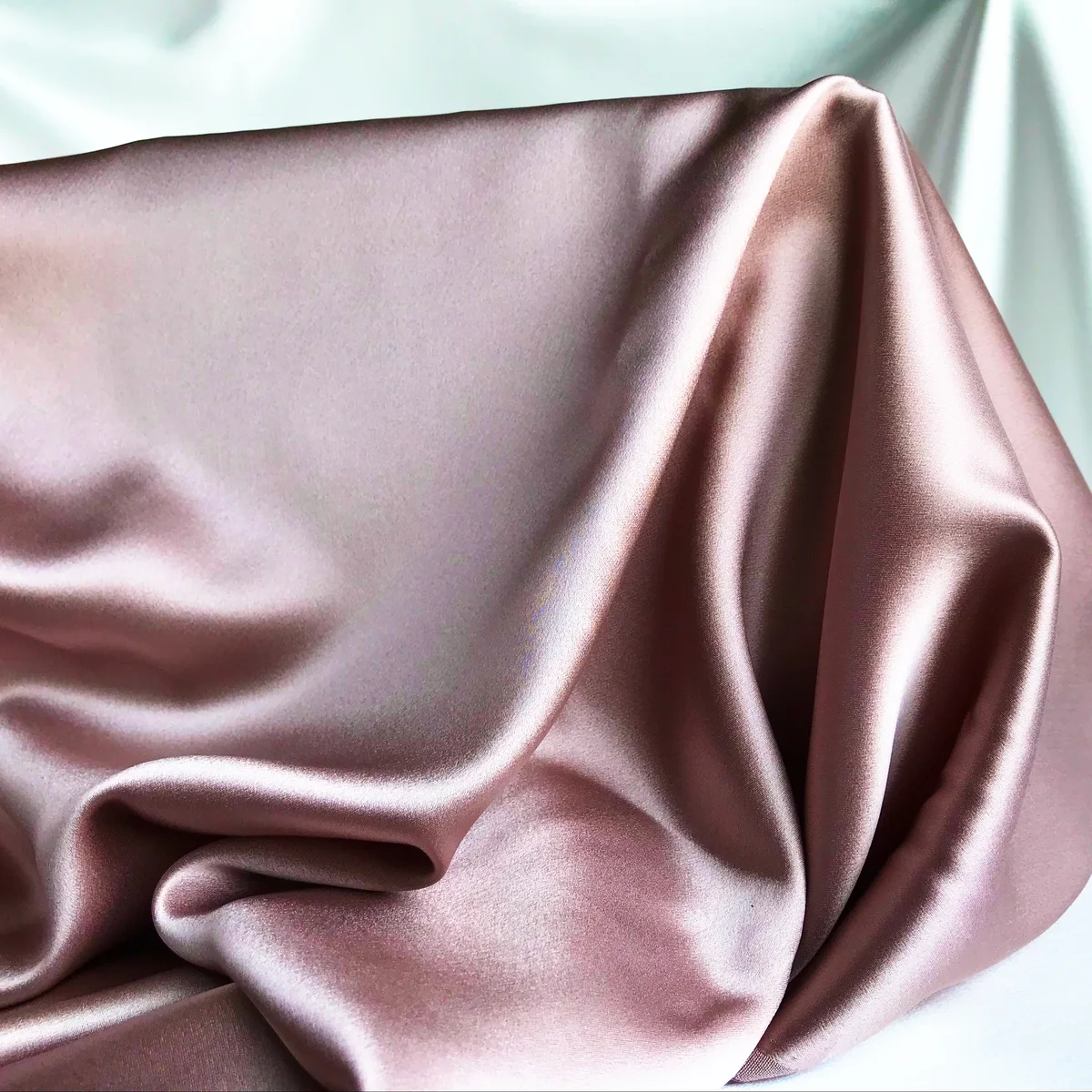
Silk satin, charmeuse, twill, crepe, habotai, chiffon, organza, and jacquard behave differently in drape, opacity, sheen, friction, sewing, printing, and care.
A usable fabric brief identifies composition, weave, momme or GSM, finished usable width, color base, finish, defect tolerance, shrinkage, fastness, handfeel, end product, and care route.
Retained swatches, lot references, roll inspection, shade grouping, and product trials connect the approved material to repeat orders.
Compare exact specifications and trial the selected silk in the intended product before approving bulk material.
Compare composition, weave, momme or GSM, usable width, sheen, drape, opacity, handfeel, shrinkage, and care against the intended end product.
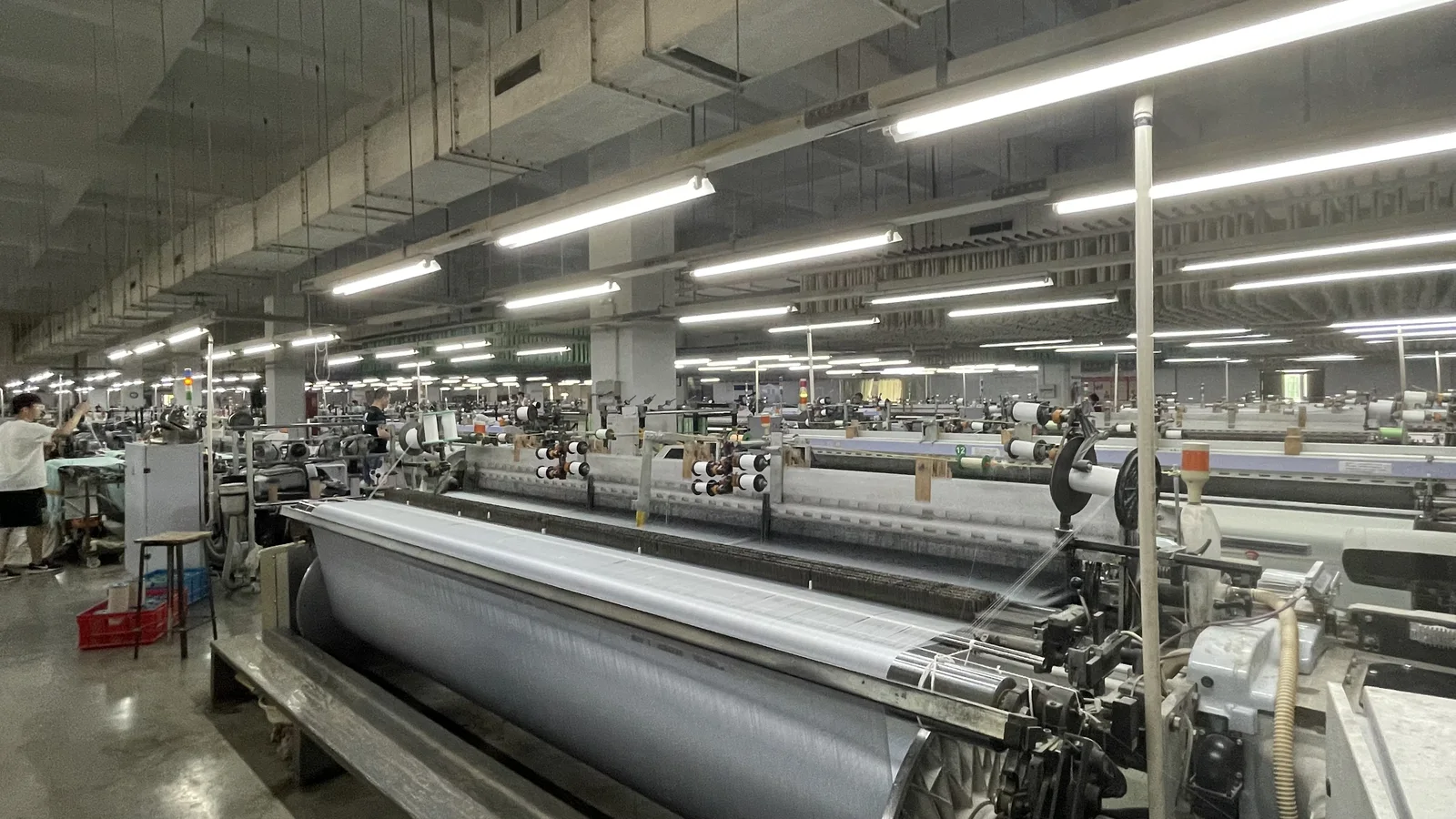
Connect weaving conditions and roll construction to a product trial so sewing, drape, print or dye behavior, seam performance, and care can be approved.
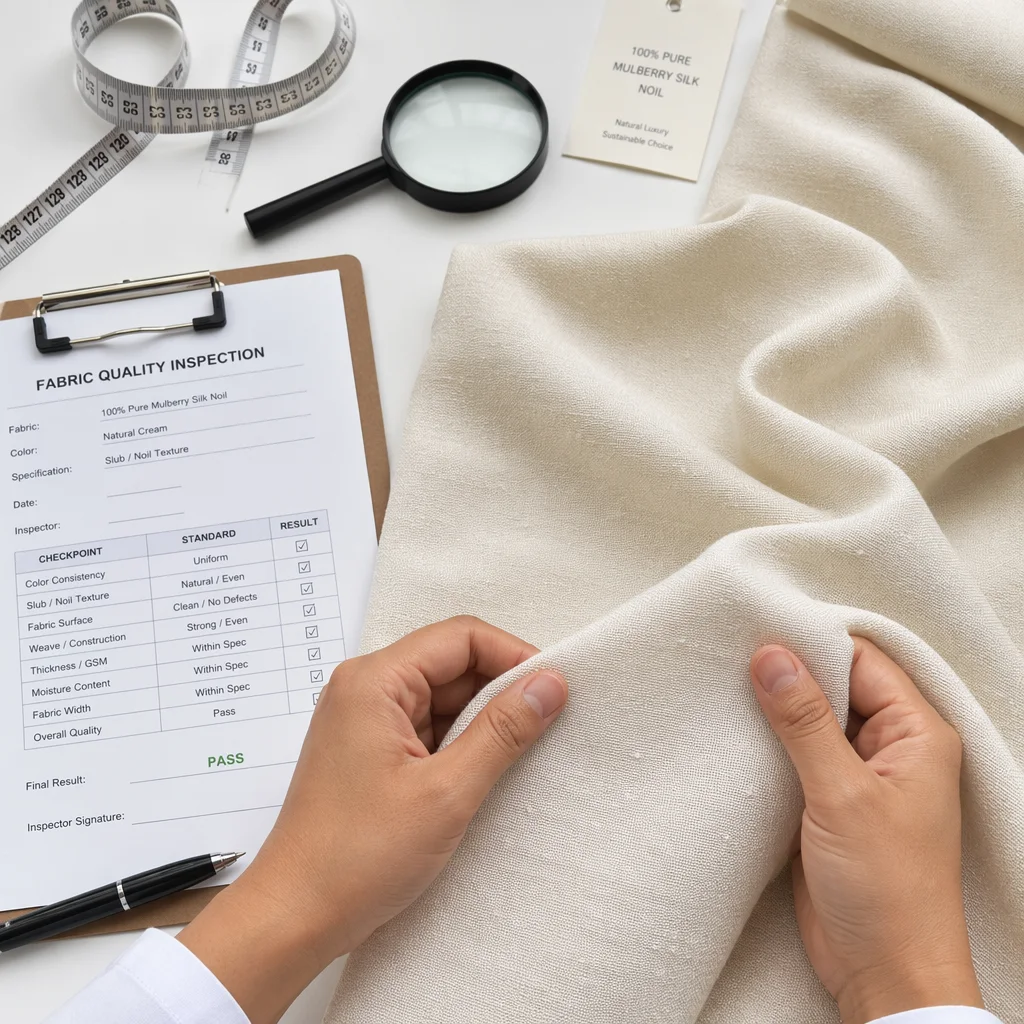
Use coded swatches, agreed lighting, roll inspection, defect grading, shade grouping, and test records to define the accepted bulk standard.
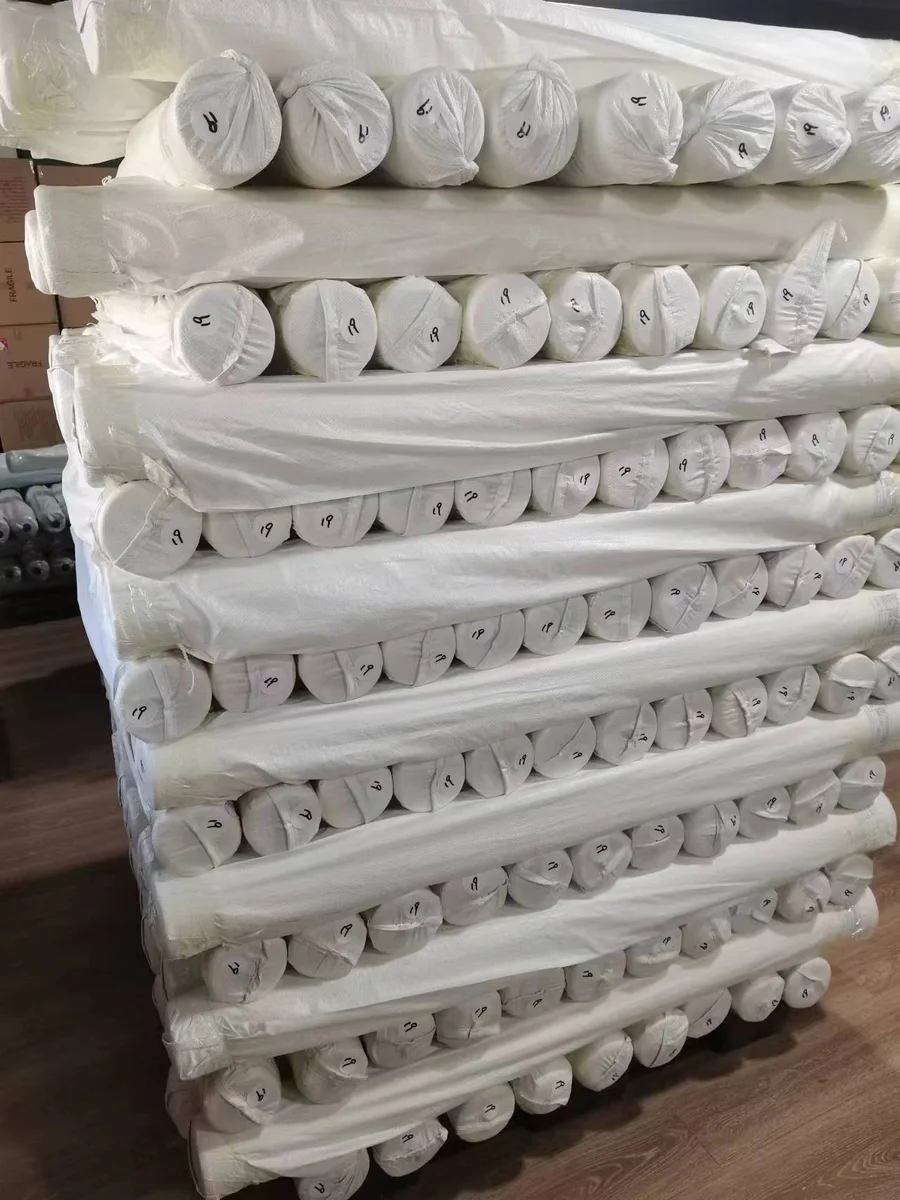
Confirm roll length, inner protection, labels, batch and shade references, carton or bale method, retained swatches, and export marks for repeat supply.
Material review
Confirm composition, weight, handfeel, sheen, drape, color, finish, and end-use behavior.
Sampling focus
Swatches and trial development help match the fabric to pillowcases, sleepwear, masks, bonnets, scarves, or bedding.
Bulk control
Batch management covers color standard, fabric surface, shrinkage direction, finish consistency, and packing labels.
Buyer support
Suitable for brands comparing silk, bamboo, specialty finishes, and blended material options before product sampling.
Confirm the target use, composition direction, finish needs, color references, and testing expectations for mulberry silk fabric supply.
Prepare swatches or trial material references so the buyer can compare handfeel, color, sheen, drape, and product suitability.
Lock the approved standard, manage shade and finish consistency, then prepare packing labels and export-ready material documentation.
Connect the selected fabric direction with sleepwear, bedding, sleep mask, bonnet, scarf, or accessory production requirements.
Connect supplier documents, retained swatches, roll inspection, shade grouping, test records, packing labels, and product-conversion results.
Composition, weight, surface, shade, handfeel, and finish consistency.
Production notes for mulberry silk fabric supply are translated into checkpoints that operators and QC teams can follow consistently.
Swatch approval, bulk batch tracking, packing label accuracy, and end-use compatibility.
Match silk construction to bedding, sleepwear, masks, bonnets, scarves, accessories, and buyer-owned developments.

Select silk construction, usable width, shade control, opacity, surface quality, shrinkage, and care around pillowcase, sheet, and duvet conversion.
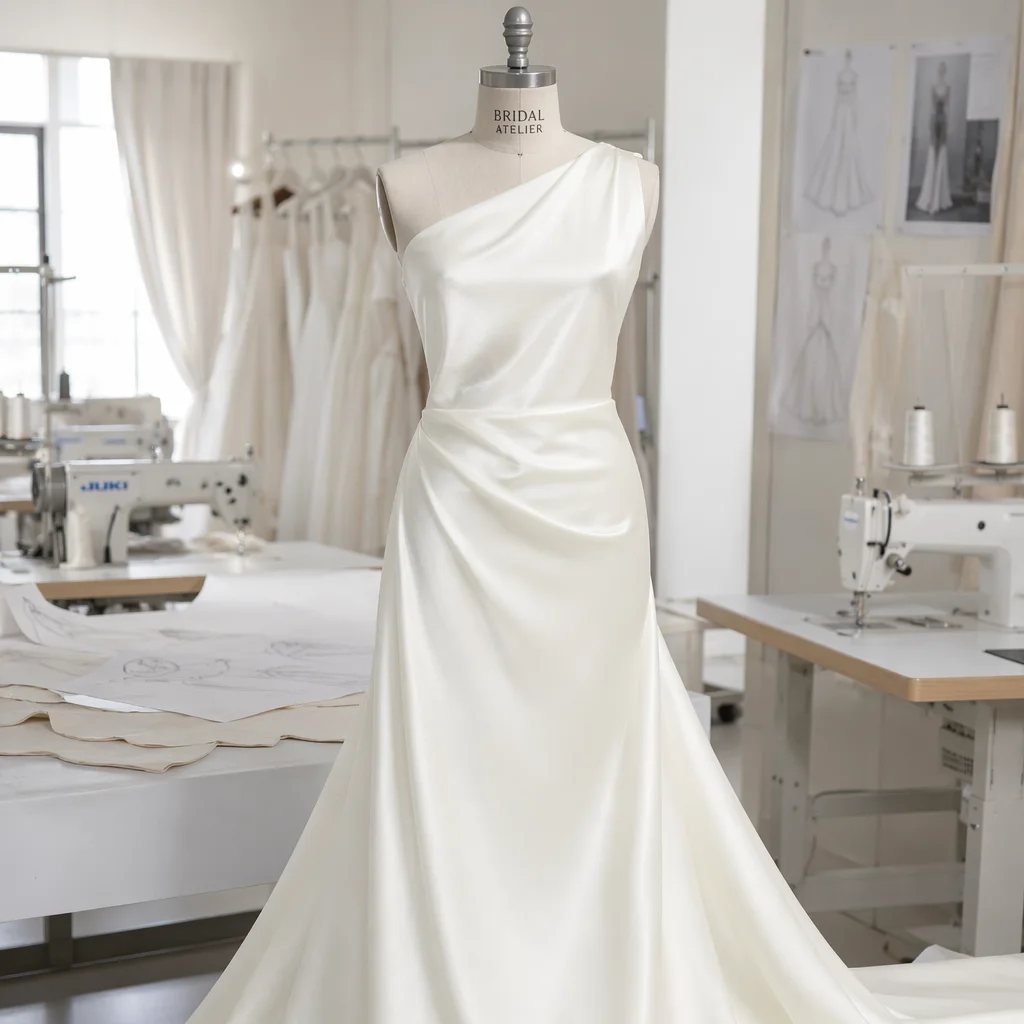
Match drape, weight, opacity, sewing behavior, color or print route, and care to pajamas, robes, slips, and buyer-owned apparel programs.
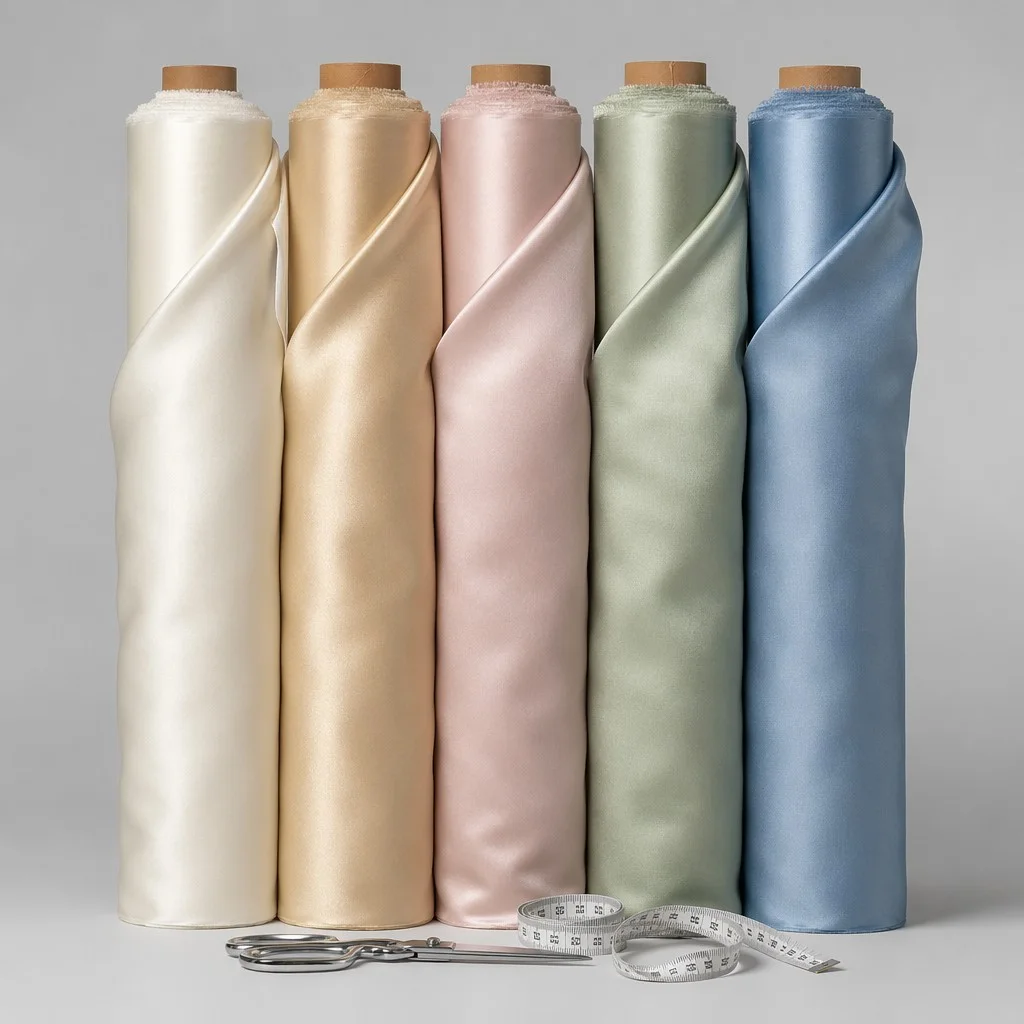
Develop fabric standards for masks, bonnets, scarves, scrunchies, packaging textiles, or another buyer-owned product through physical trials.
Yes. Fabric programs can be discussed around material type, finish, color direction, end-use application, swatch review, and product sampling needs.
We use approved samples, material standards, process sheets, in-line inspection, finished-goods review, packaging checks, and batch-level production control.
Helpful details include target market, quantity, material preference, size or specification, color direction, logo method, packaging format, and any reference sample or artwork.
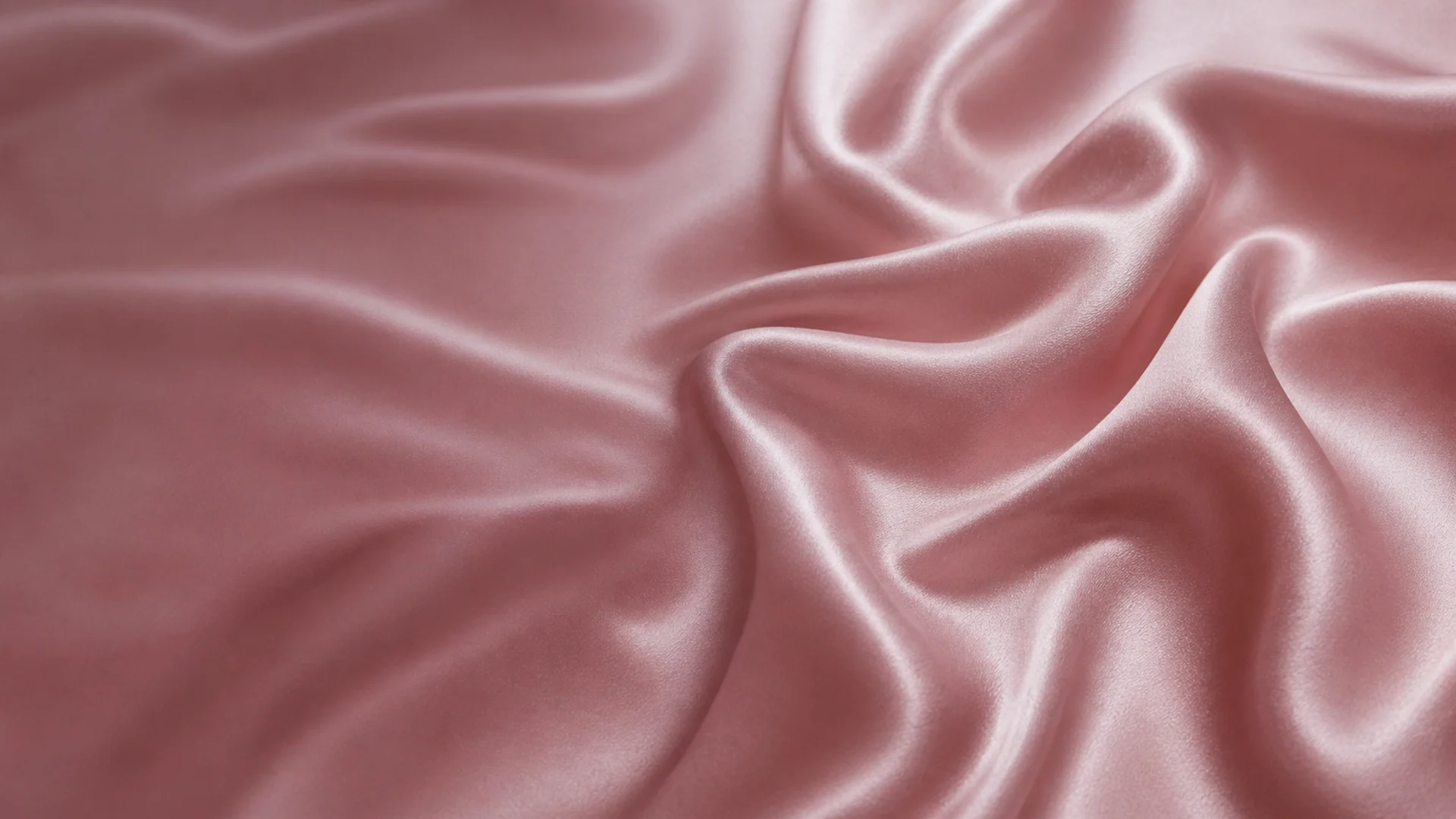
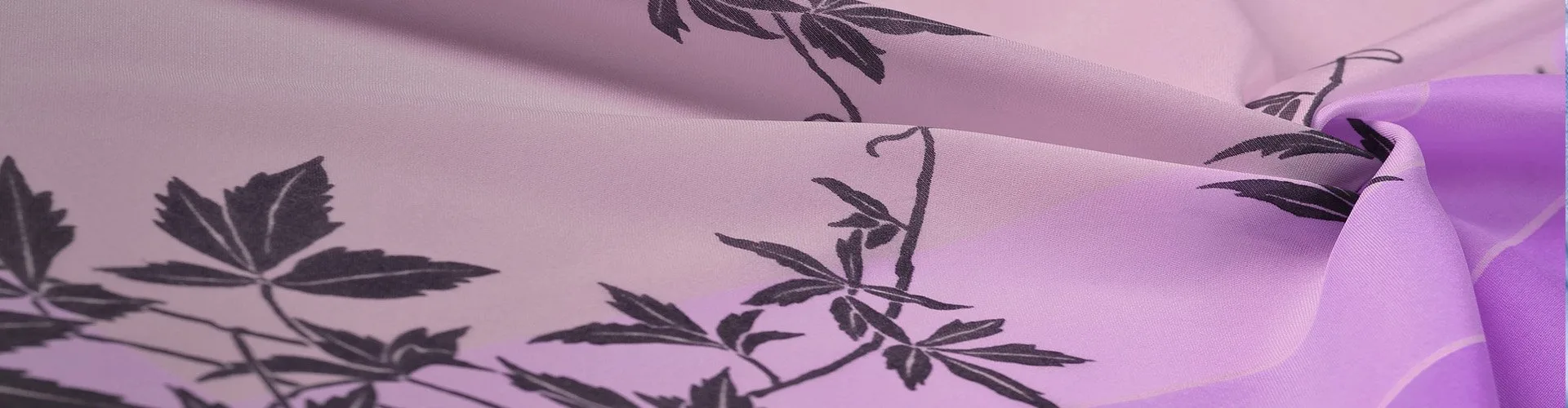
Pure silk constructions selected by weave, momme, width, drape, opacity, printing behavior, sewing performance, and end use.
Bamboo-derived and silk–bamboo materials specified by exact composition, weave, GSM, shrinkage, pilling, care, and claim evidence.
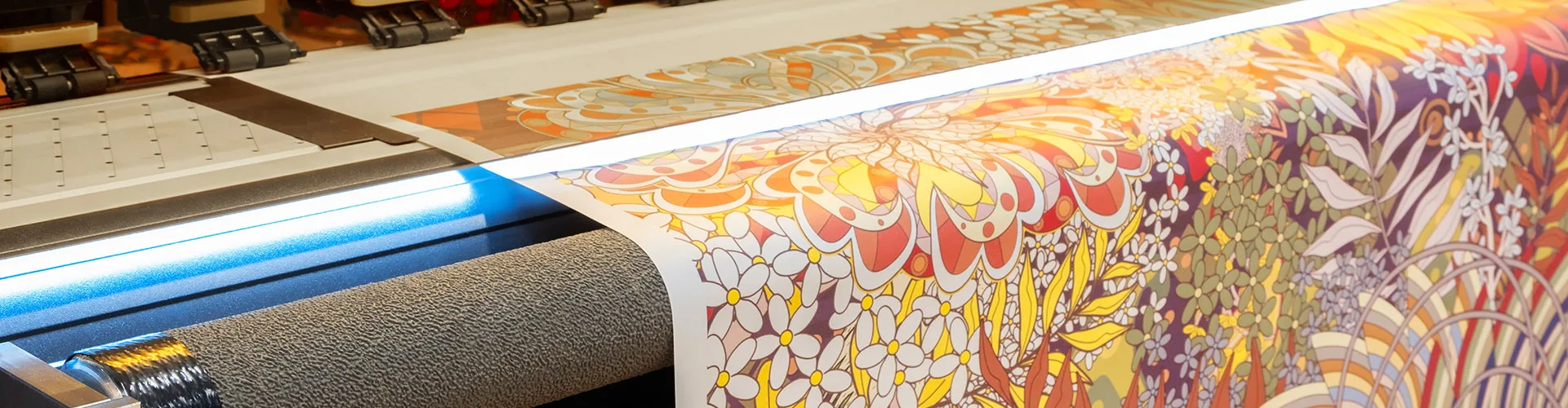
Printing and finishing programs developed around fiber chemistry, artwork, color approval, handfeel, fastness, care, and supported claims.
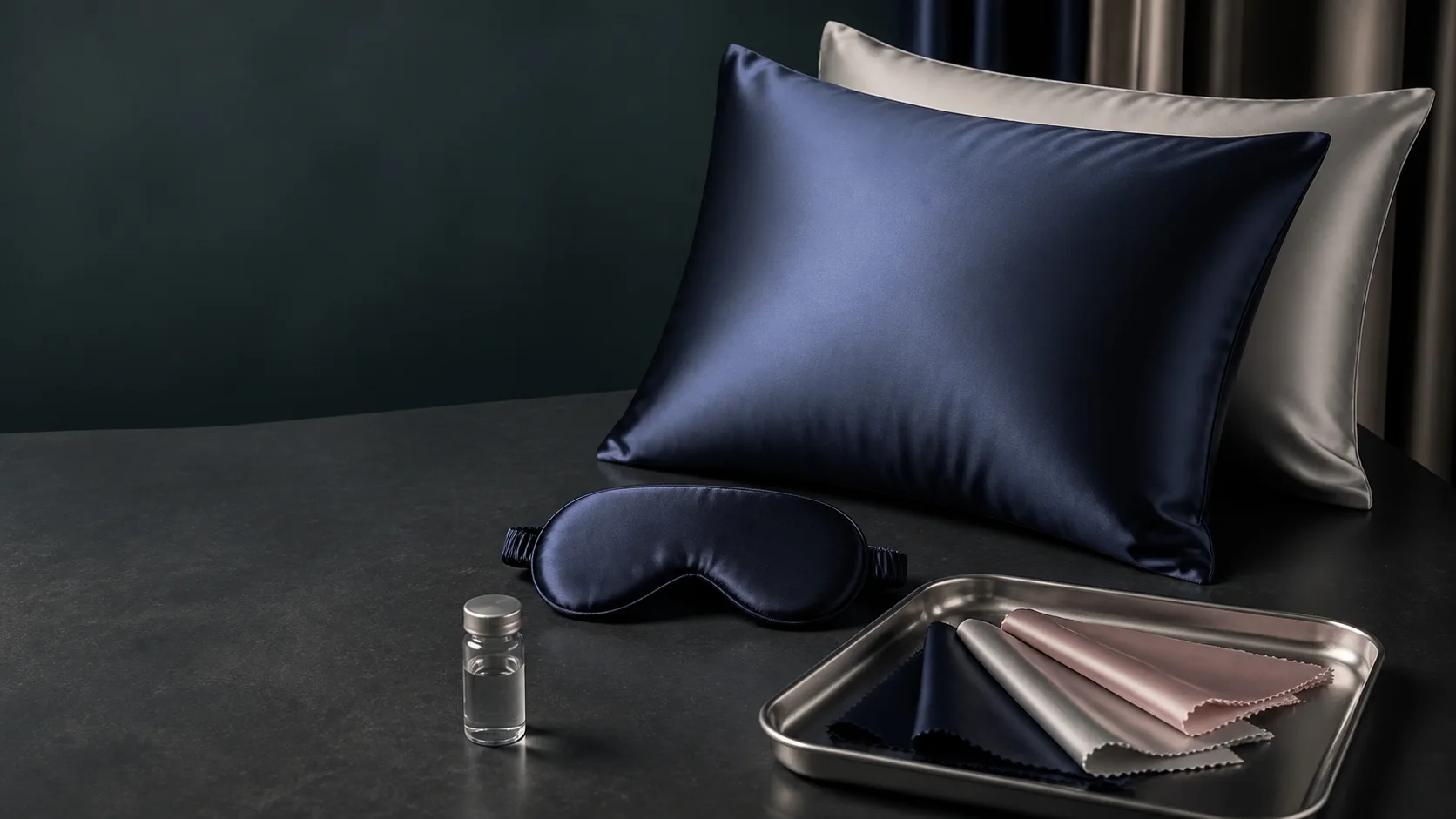
Develop silver-ion finished silk products through named samples, controlled application trials, care-cycle review, lot traceability, and evidence-led claim approval.
Start a development brief
Provide product, composition, weave, momme, width, color or artwork, care, quantity, tests, target price, and repeat-order plan.