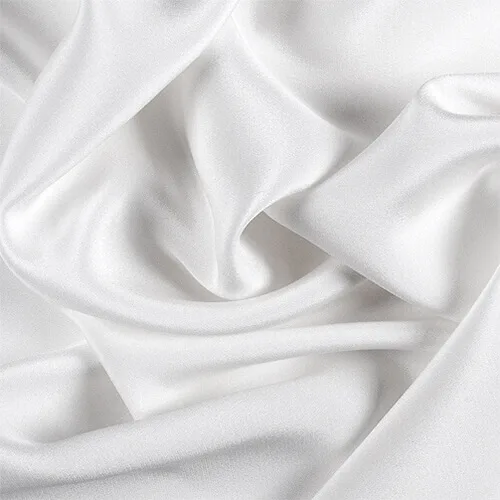
Silk Satin / Charmeuse
A smooth, lustrous silk for pillowcases, sleepwear, slips, robes, masks, and premium accessories. Review momme, opacity, snagging, seam behavior, and care.
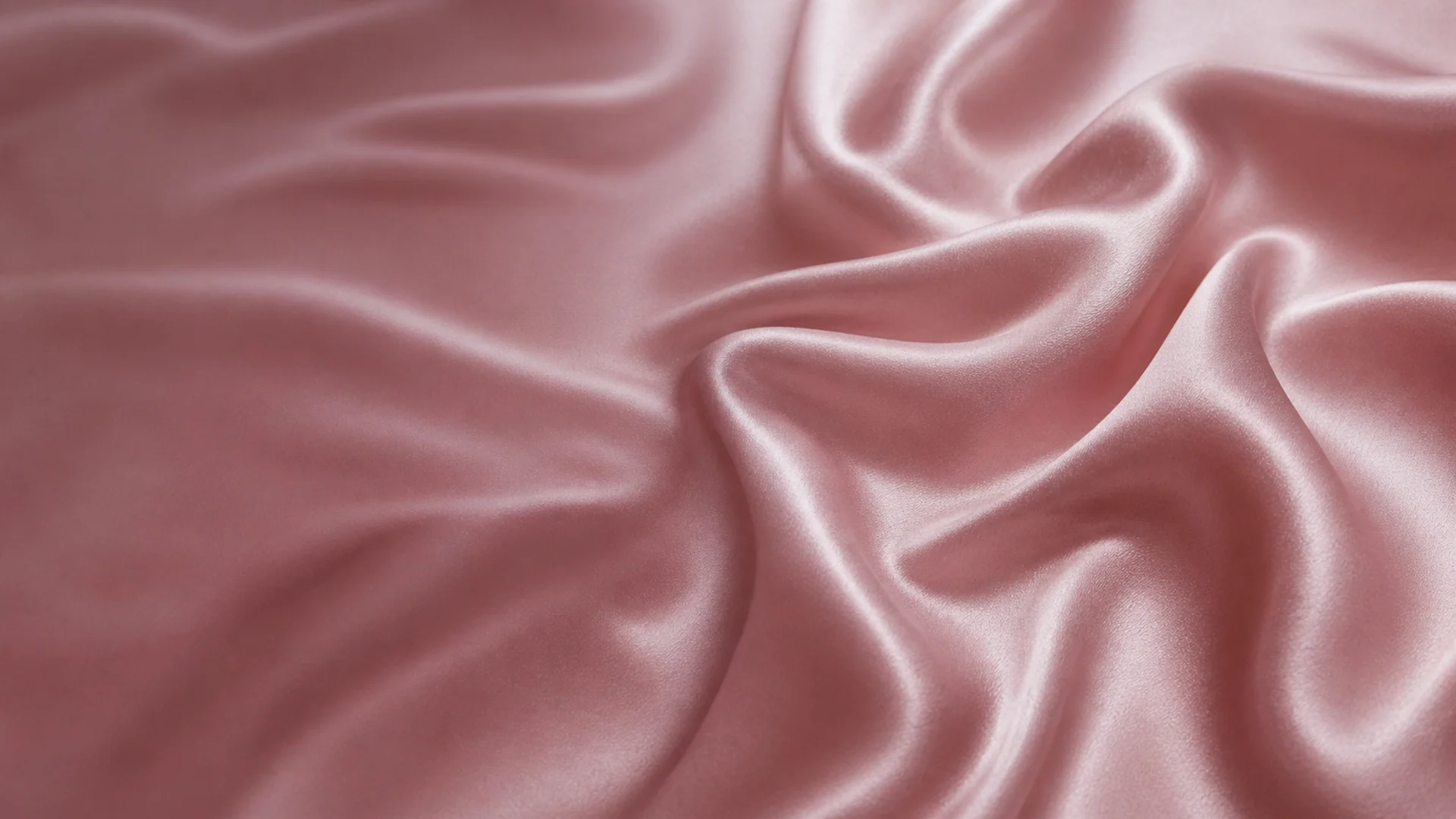
Source custom mulberry silk fabric by weave, momme, width, color, print, finish, testing, and end use.
As a custom silk fabric manufacturer, Stitch Silk supports brands, importers, designers, and product manufacturers that need material selected for a defined end use. The right specification connects fiber content, weave, momme, usable width, surface, drape, opacity, color or print, sewing behavior, testing, and care.
Buyers can begin with physical swatches, then approve a lab dip or print strike-off and test the chosen construction in the finished product. This reduces the gap between an attractive fabric sample and stable wholesale silk fabric that performs during cutting, sewing, pressing, packing, and repeat production.
For a material-only sourcing brief, review our mulberry silk fabric supply. Product teams can also compare development routes for silk sleepwear, silk bedding, and specialty textile finishes.
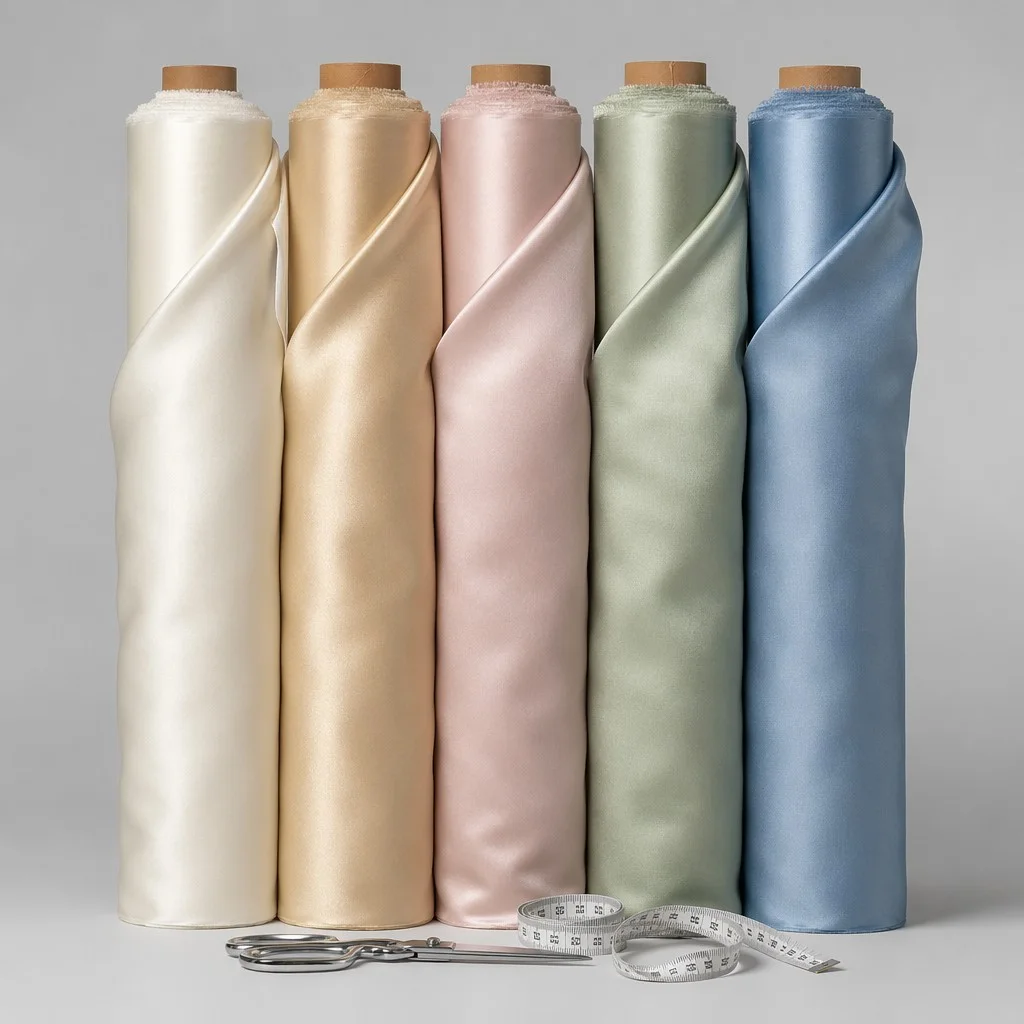
Fiber content alone does not predict how silk will behave. Compare the weave, weight, surface, body, opacity, printing response, and product construction together.
A smooth, lustrous silk for pillowcases, sleepwear, slips, robes, masks, and premium accessories. Review momme, opacity, snagging, seam behavior, and care.
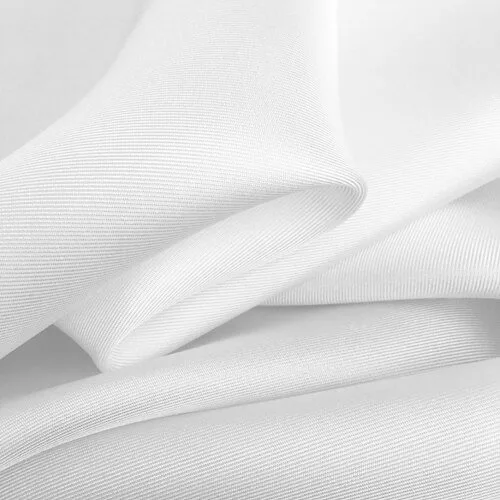
A diagonal weave with controlled drape and more body than lightweight plain weaves. Well suited to scarves, ties, apparel, and detailed print programs.
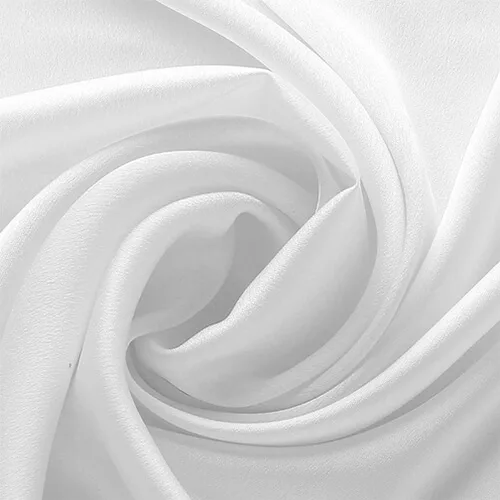
A fluid silk with a softly textured, lower-luster surface. Common product directions include dresses, blouses, sleepwear, scarves, and linings.
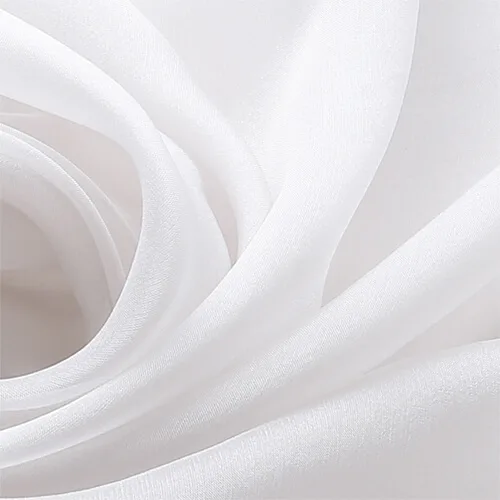
A lightweight, sheer construction for layered garments, scarves, trims, and decorative panels. Opacity, fraying, seam choice, and print penetration need early review.
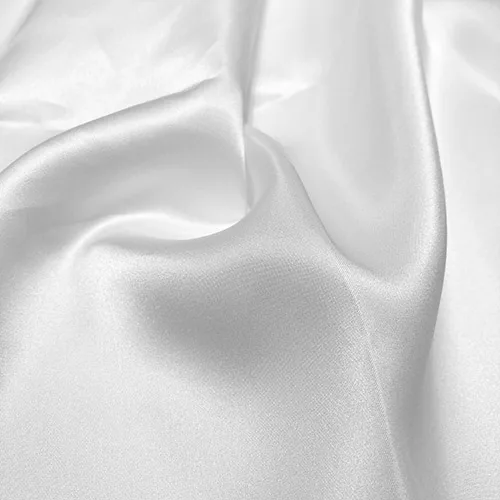
A lightweight plain weave used for linings, scarves, accessories, lightweight apparel, and development bases where softness and controlled cost both matter.
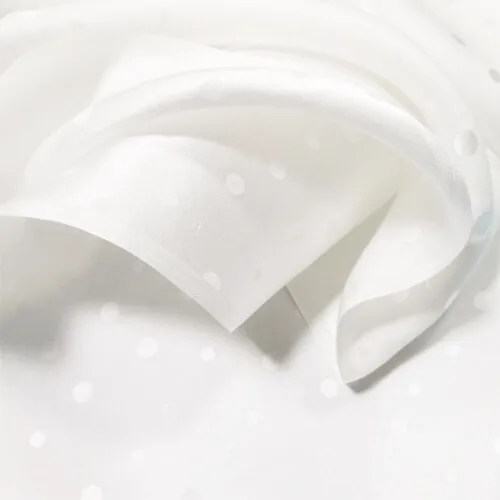
A pattern-woven construction that adds texture without relying only on surface printing. Confirm motif scale, reverse appearance, usable width, and product placement.
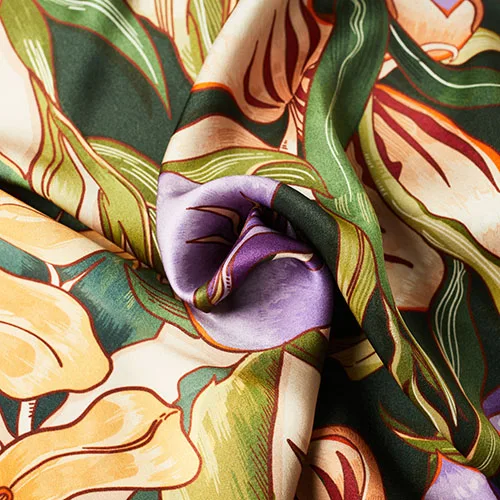
Artwork-led silk developed through scale, repeat, color separation, strike-off approval, registration, handfeel, colorfastness, and end-product trials.
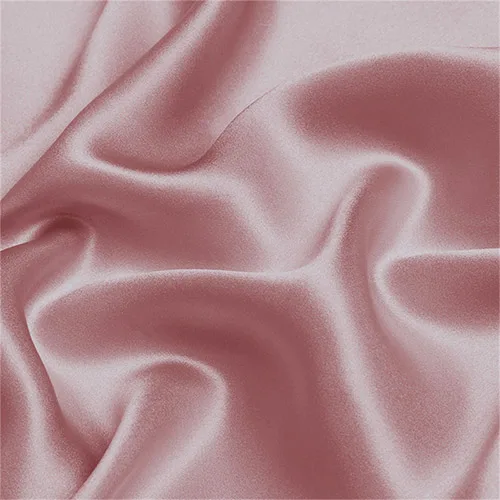
Custom color developed against an agreed reference. Lab dips, approved lighting, shade grouping, finishing, and retained standards support repeatable bulk color.
Select the base construction first. Color, print, and finishing decisions are then sampled and evaluated on that exact fabric.
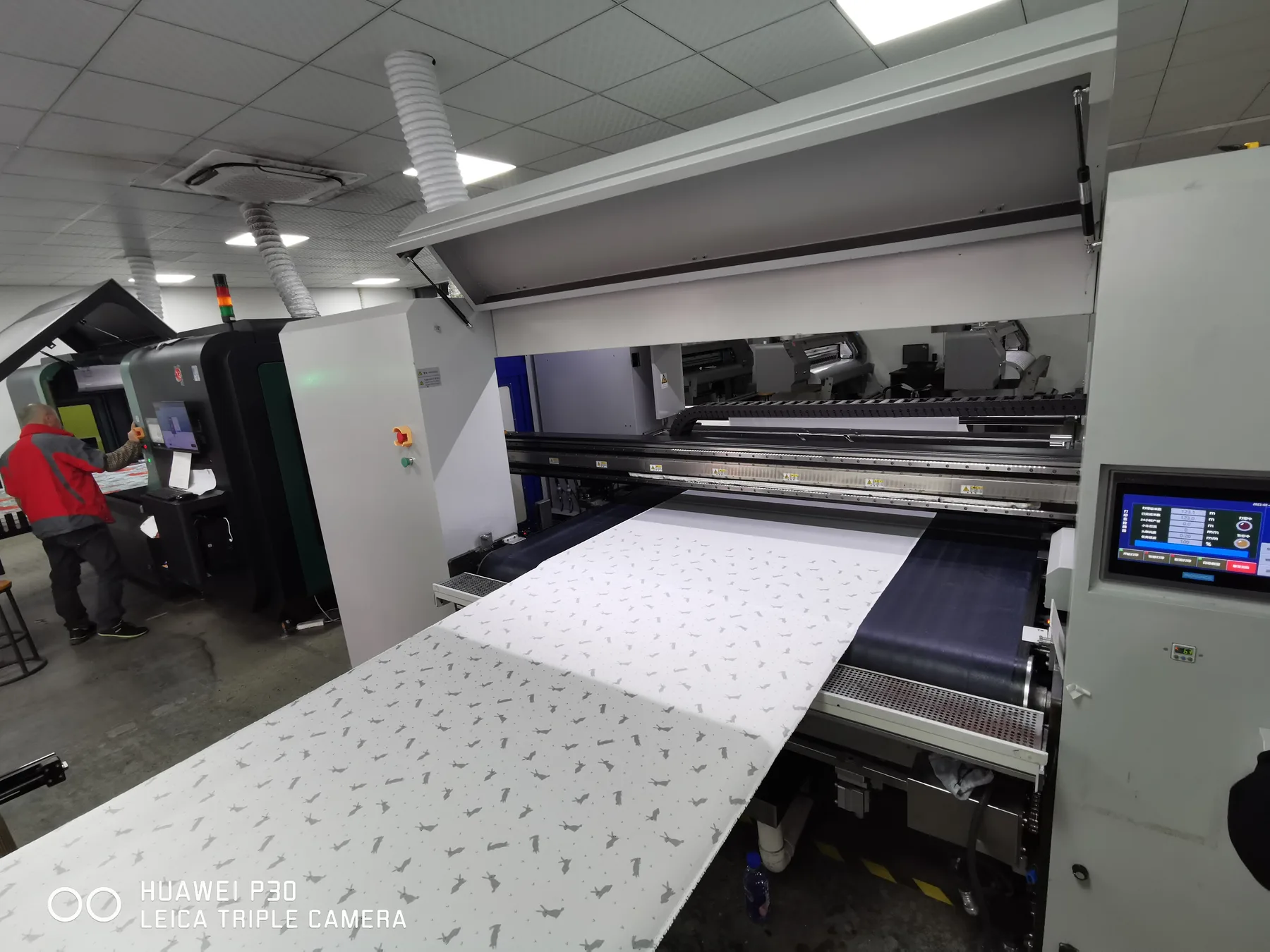
Develop original artwork through repeat planning, color separation, strike-offs, print registration, surface review, and care testing on the selected silk construction.
Start with an approved construction and raw shade when the program needs later coloration, print development, or a buyer-owned finishing route.
Match a physical reference or color standard, then approve the lab dip, bulk shade tolerance, handfeel, luster, and care behavior.
A complete fabric brief gives the sample room, production team, quality team, and buyer the same measurable target.
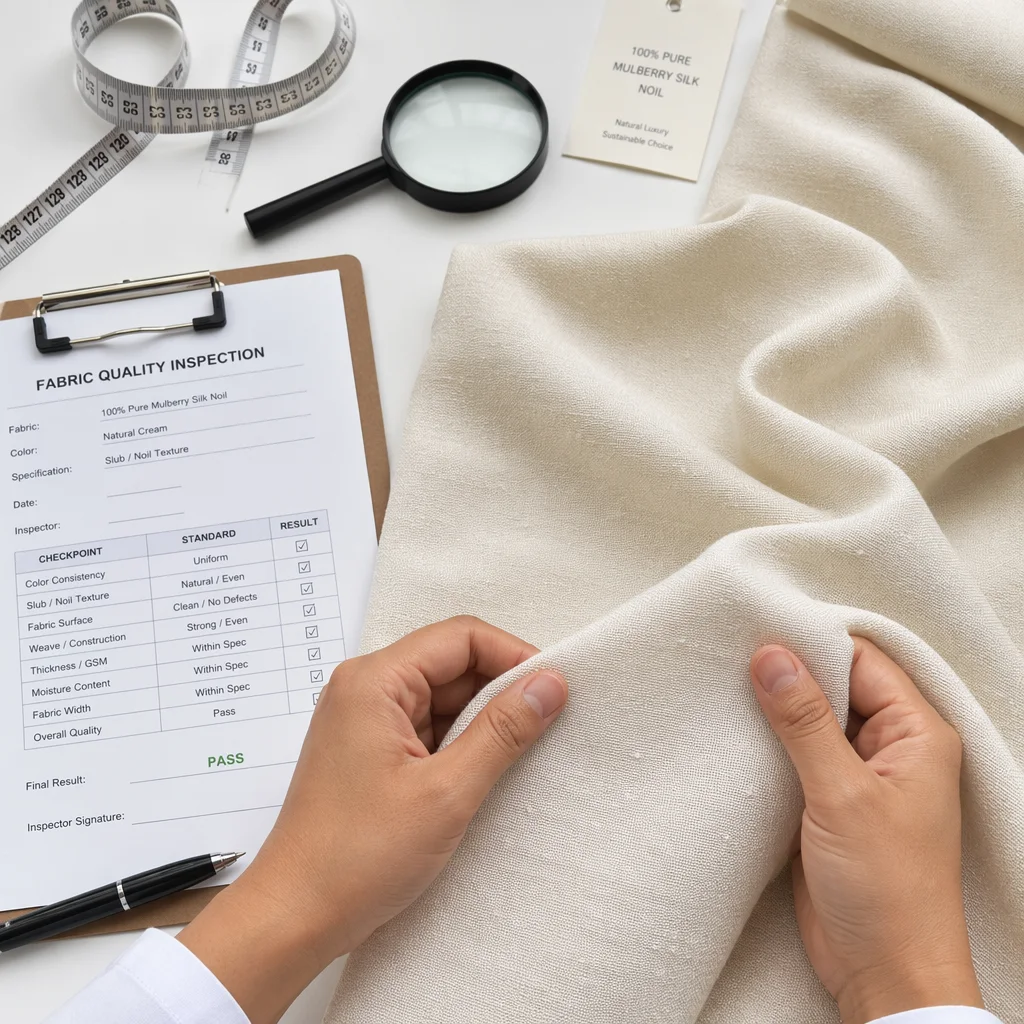
State fiber content, blend percentages where applicable, weave, yarn direction, and the approved reference quality.
Confirm momme or GSM, finished usable width, selvedge treatment, roll length direction, and agreed measurement tolerance.
Define the color standard or artwork files, print scale and repeat, finish, luster, handfeel, and approval conditions.
Set relevant tests for shrinkage, colorfastness, seam slippage, snagging, strength, pilling, dimensional stability, and care.
Agree on inspection method, defect categories, point system when required, shade grouping, cuttable width, and roll acceptance.
Convert the selected fabric into the intended product to check opacity, drape, sewing, pressing, lining, closure, and after-care behavior.
Follow the material from its agricultural origin through coloration, printing, testing, product trials, and protected roll dispatch.
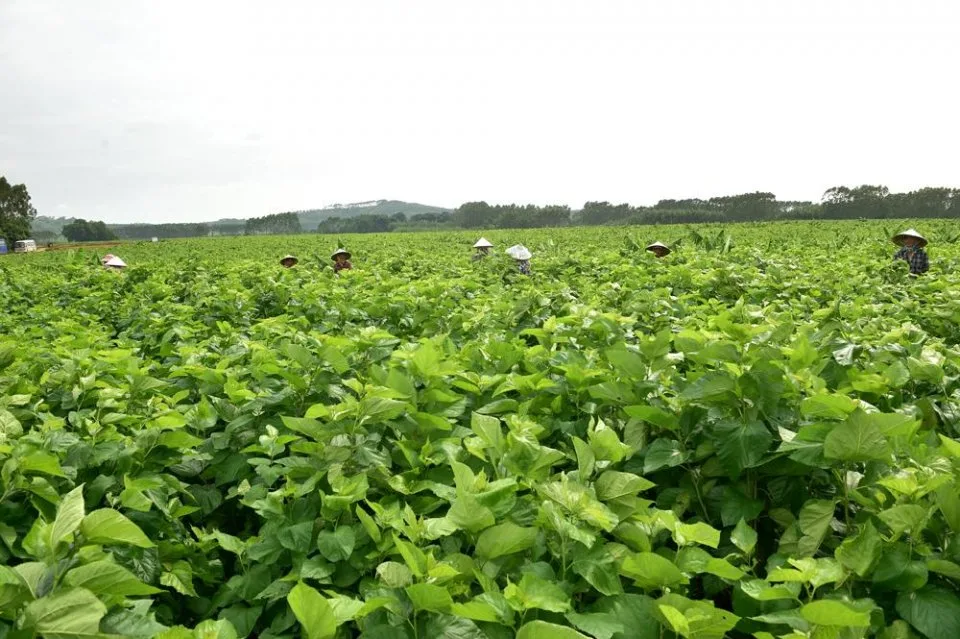
Mulberry cultivation and raw material selection establish the traceability foundation before yarn and greige fabric move into development.
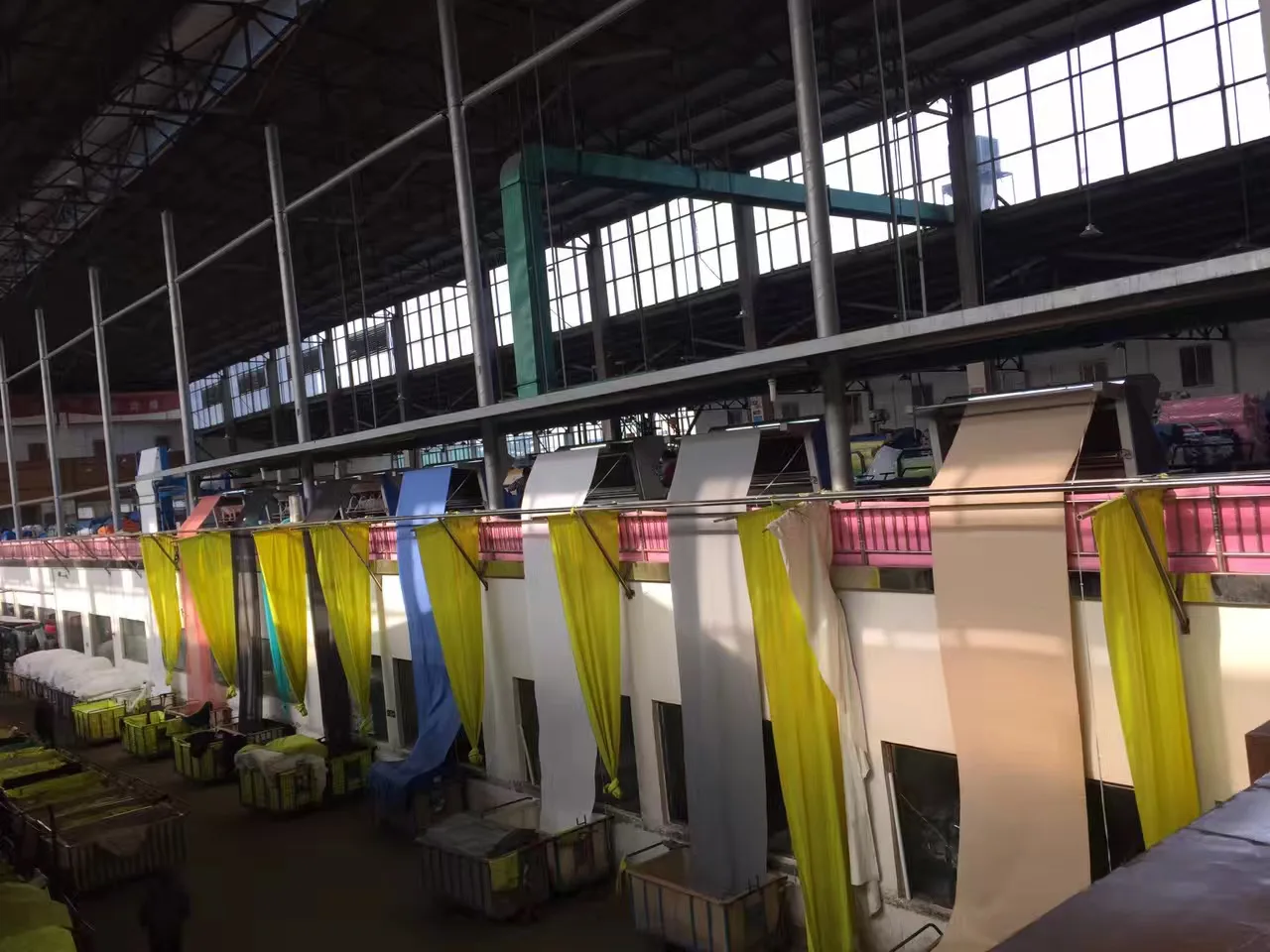
Color routes are reviewed for shade, handfeel, surface consistency, care requirements, and repeat-lot expectations.
Artwork, color separation, scale, placement, strike-off approval, and print registration are checked before bulk printing.
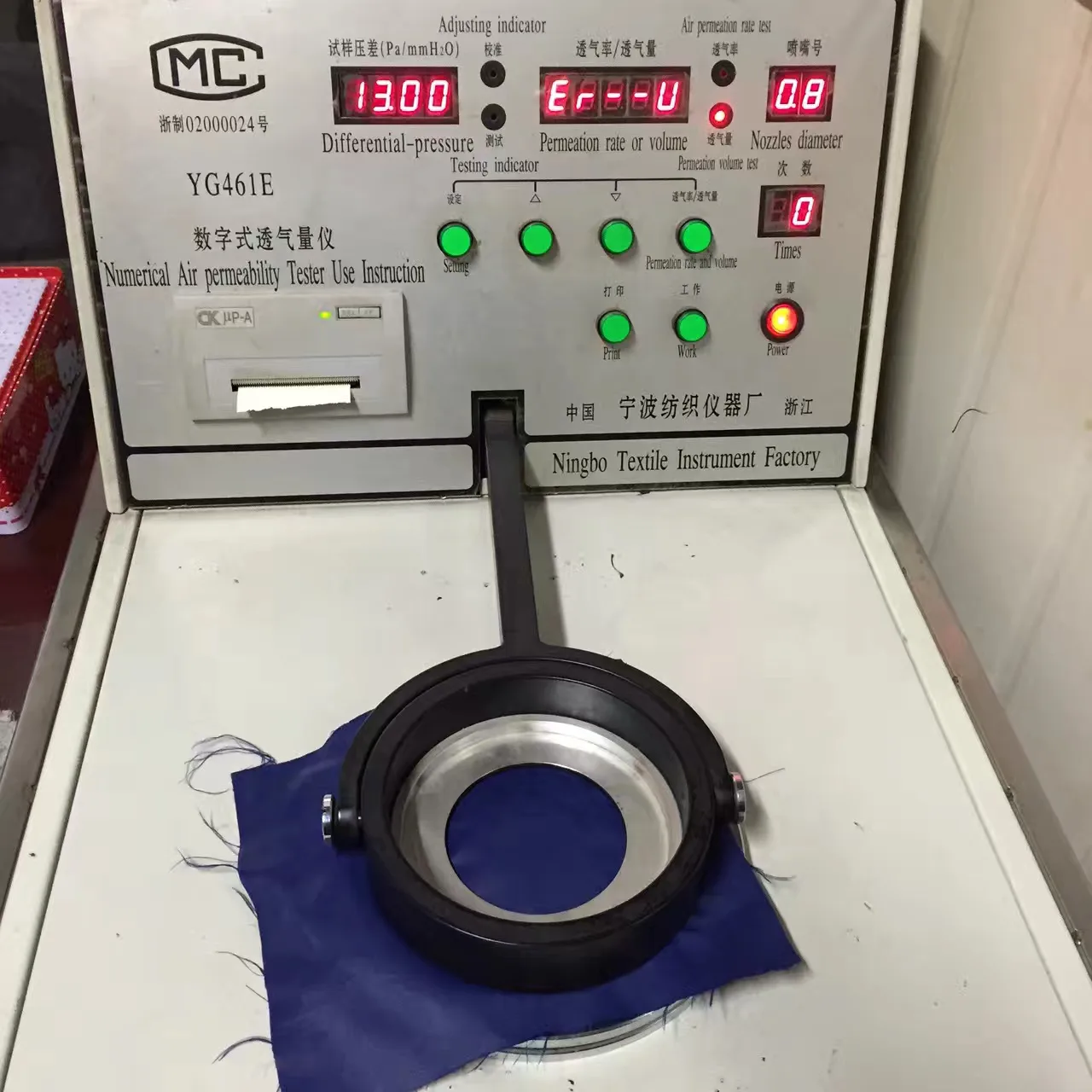
Order-specific testing can cover composition, weight, usable width, colorfastness, shrinkage, strength, and air permeability.
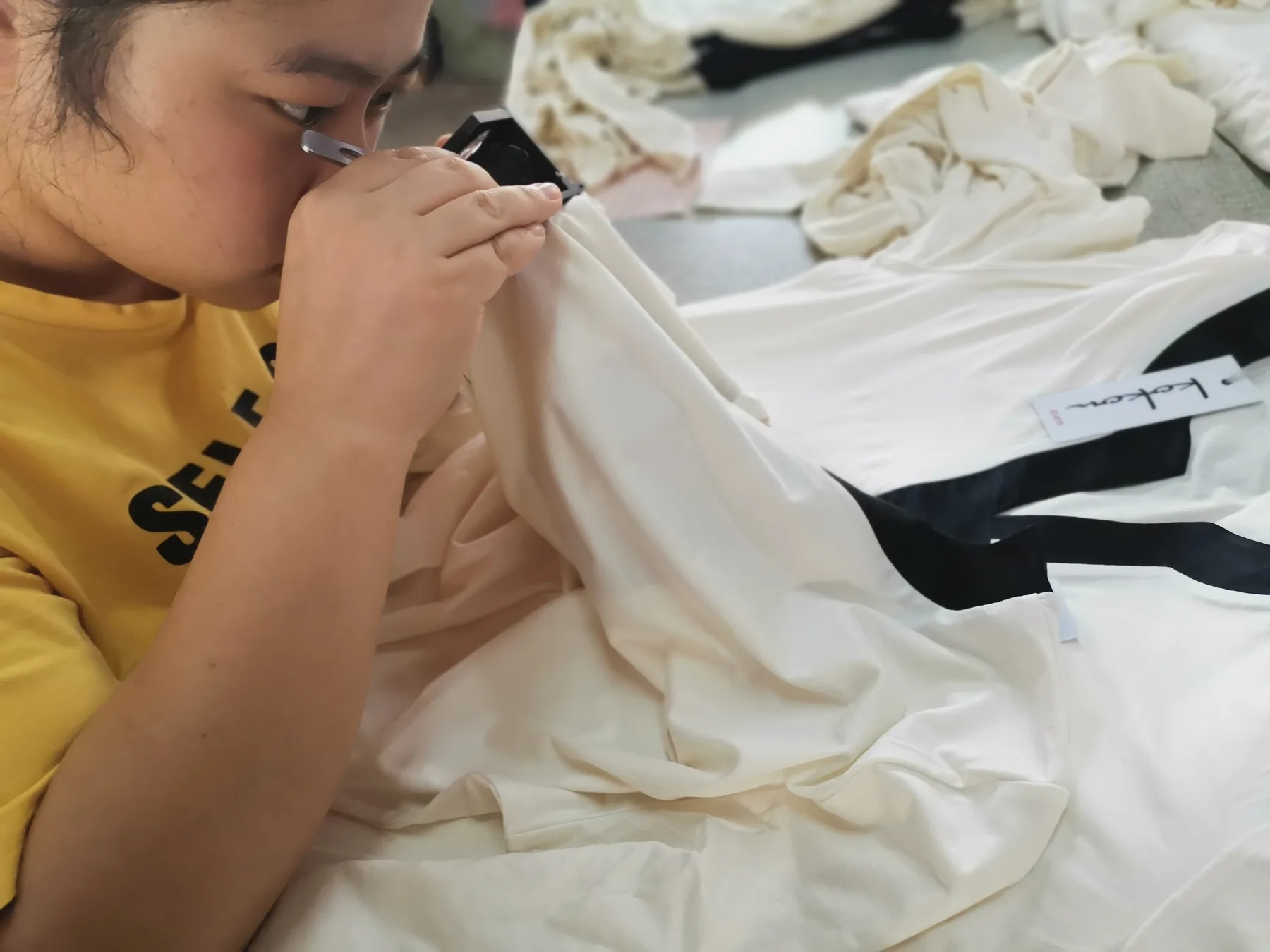
Trial products expose snags, seam impressions, show-through, pressing marks, drape changes, and other end-use risks.
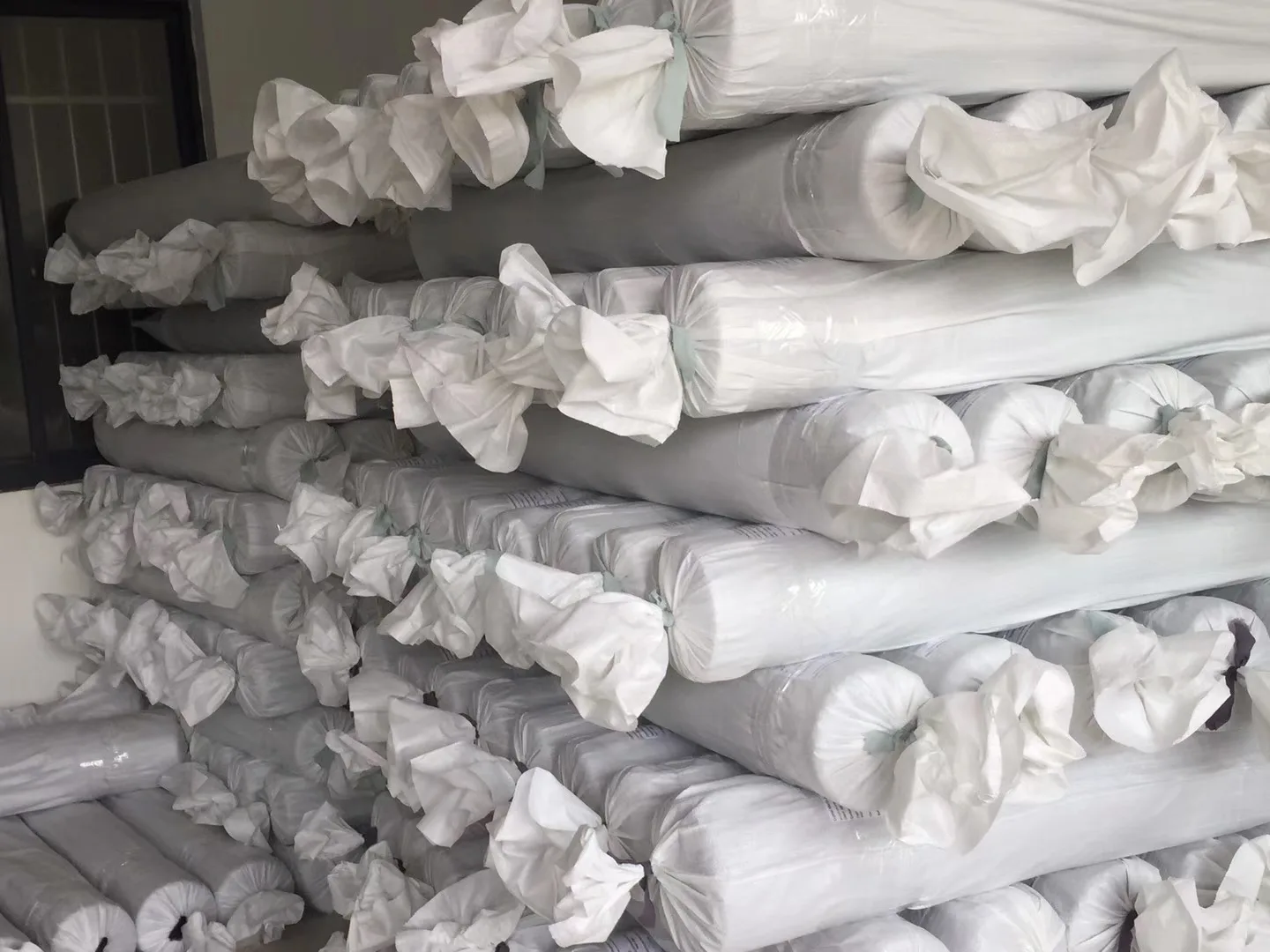
Approved fabric is grouped by lot, protected in roll packaging, identified, and prepared against the shipment plan.
Each approval narrows the production target and creates a clearer reference for bulk inspection and repeat orders.
Share the finished product, composition, weave, weight, usable width, color or artwork, quantity, target market, care, testing, and price direction.
Compare physical options for surface, drape, opacity, body, friction, printing, sewing, pressing, care, and intended retail position.
Approve solid color or printed artwork on the exact base construction under agreed viewing conditions before bulk coloration.
Use the fabric in a representative product sample to check cutting, seams, lining, closures, drape, dimensions, and care behavior.
Lock the approved construction, shade or print, finish, handfeel, test requirements, defect rules, packaging, and coded reference samples.
Review bulk by lot for width, weight, shade, surface, print, roll identification, packing, and the agreed release criteria.
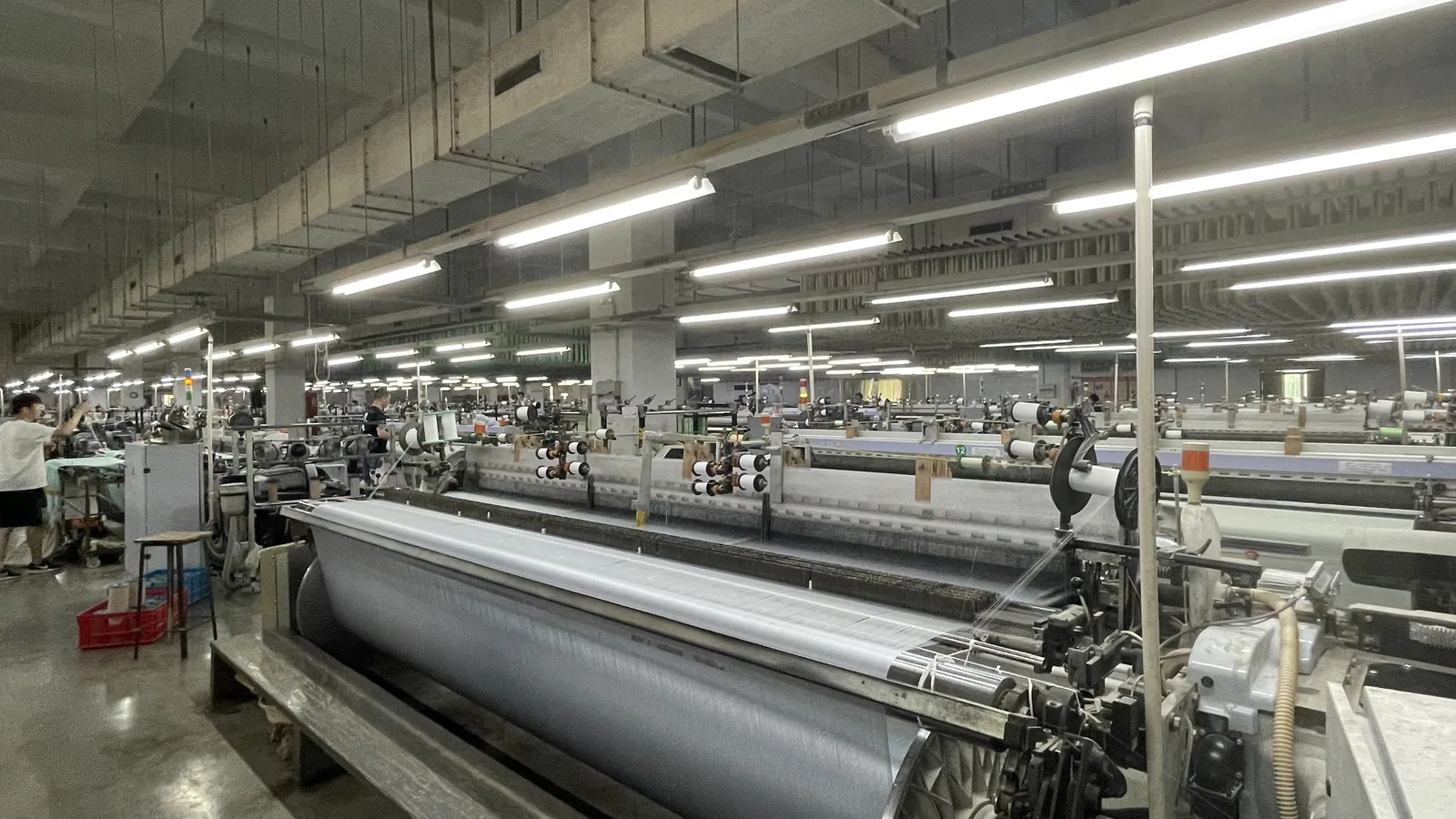
Check supplier documents, coded construction, composition direction, weight, width, and visual reference.
Review rolls by lot under agreed lighting for shade, luster, print, marks, and usable area.
Connect test scope and pass criteria to the exact end product, market, claim, and care route.
Keep approved swatches, lab dips, strike-offs, product trials, and bulk records linked to the order.
The same silk can behave differently across a pillowcase, garment, scarf, or padded accessory. Approve the fabric in the intended construction.
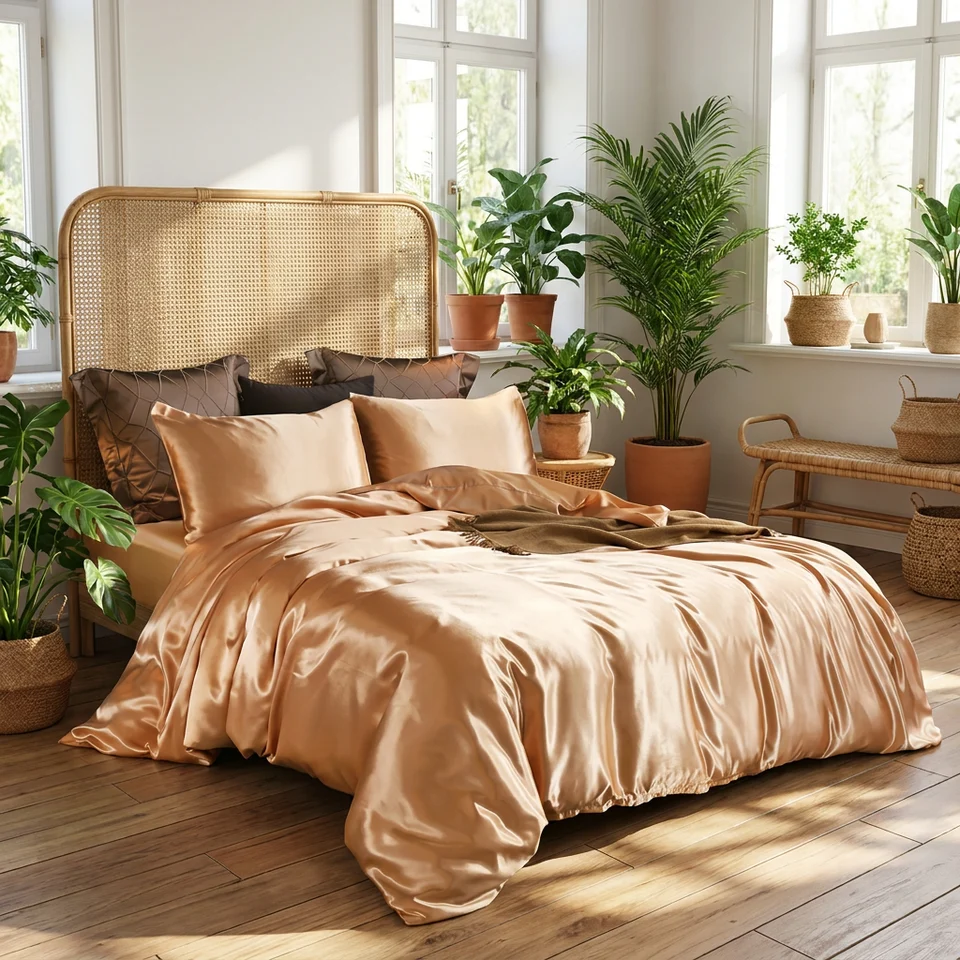
Select silk around opacity, usable width, seam behavior, shade control, large-panel inspection, finished dimensions, and care.
View product program
Balance drape, weight, opacity, pressing, seam performance, color or print route, and seasonal product direction.
View product program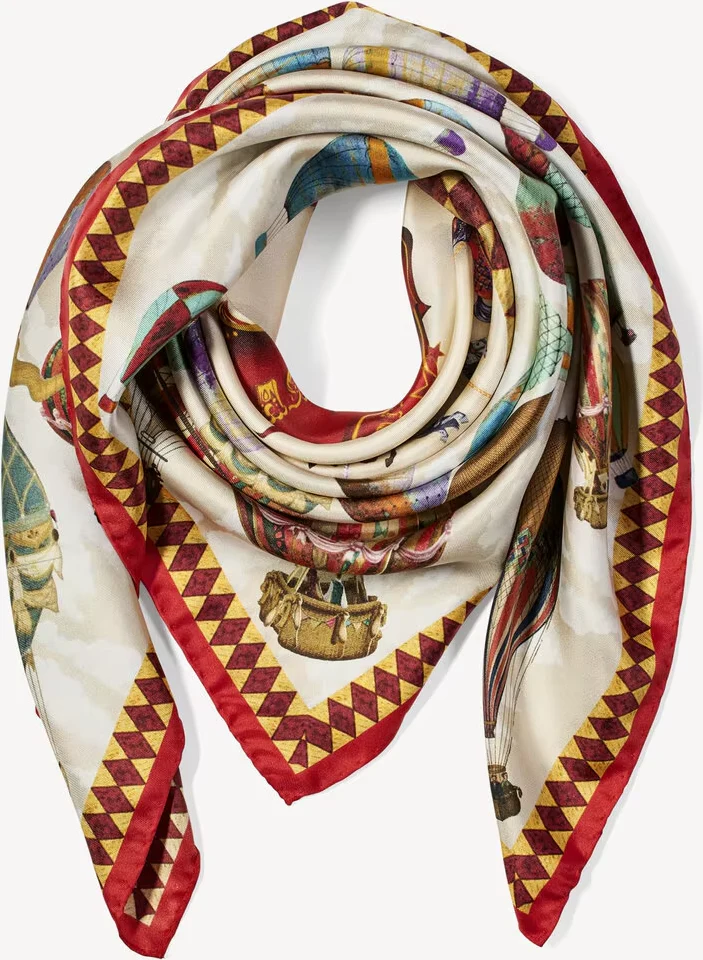
Match weave and weight to print detail, color, edge finish, drape, gifting presentation, and repeat-order artwork control.
View product program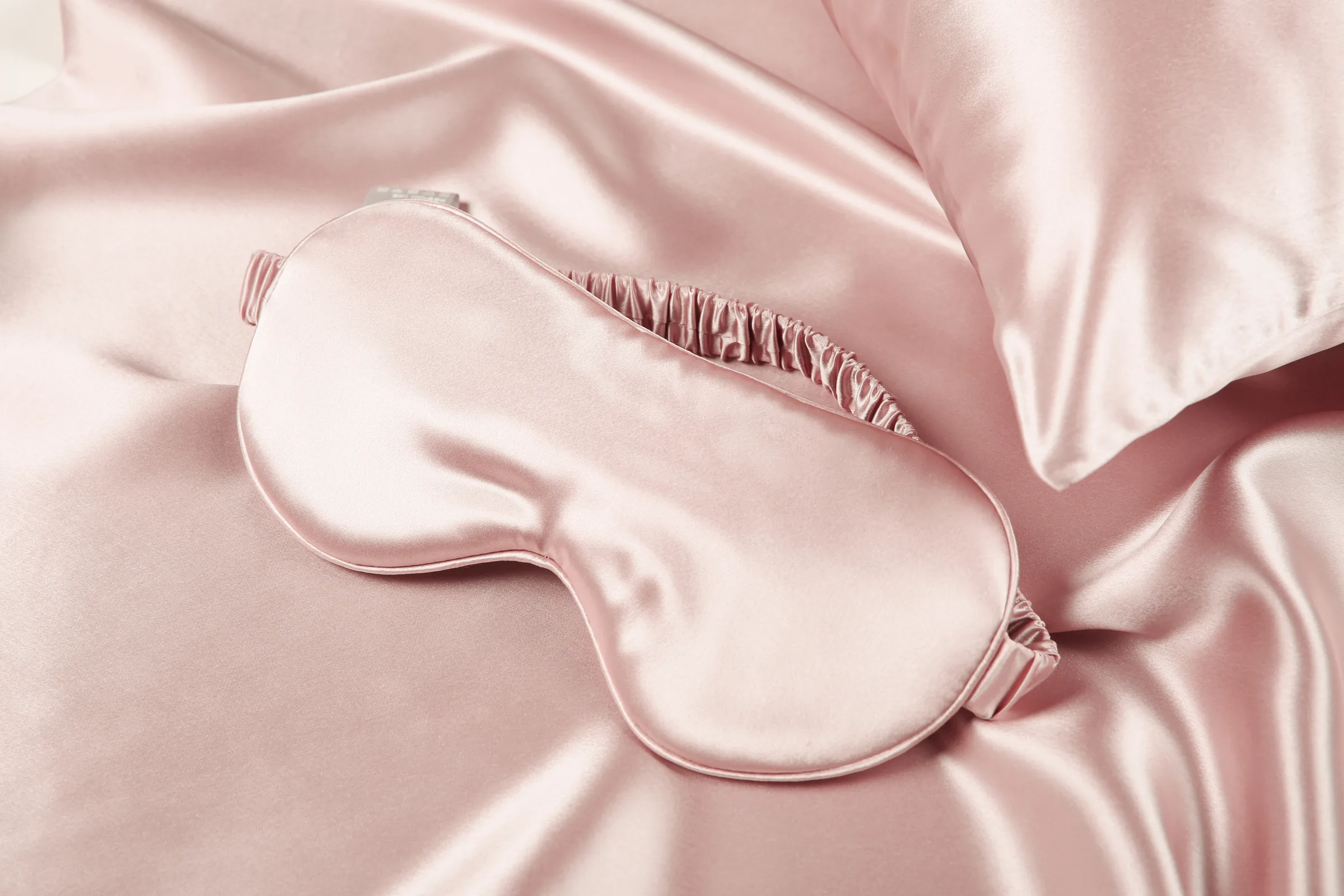
Validate skin-facing surface, lining, filling, elastic or closure, small-panel cutting, branding, and packaging on the product sample.
View product programConfirm folding, unit packaging, tags, labels, carton quantities, and transport protection with the product specification before bulk packing begins.
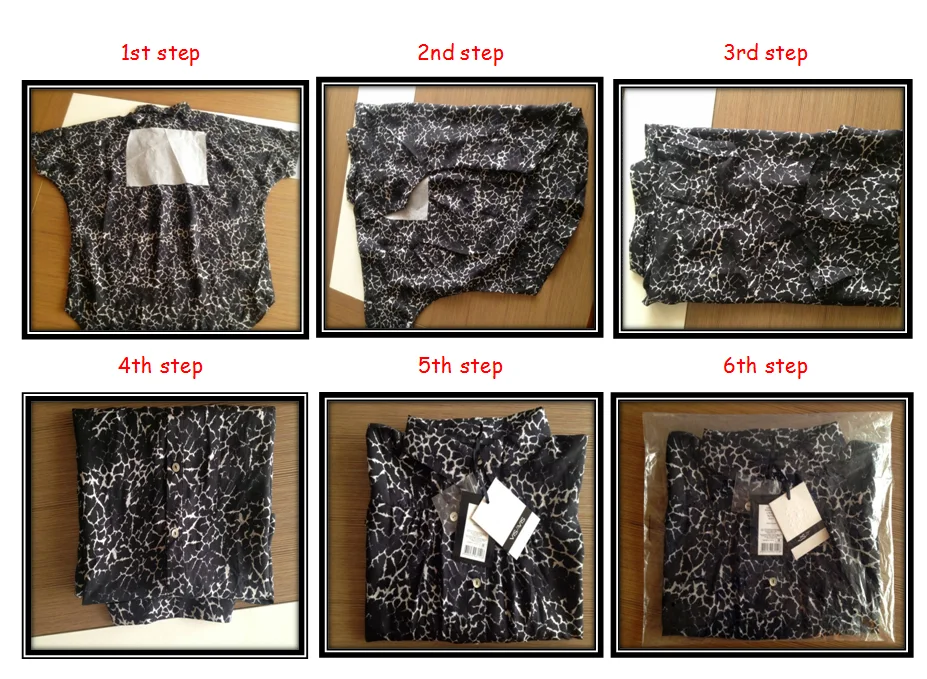
Garments are folded to an approved sequence, shaped to the selected pack size, fitted with the correct tags, and placed into the specified individual bag.
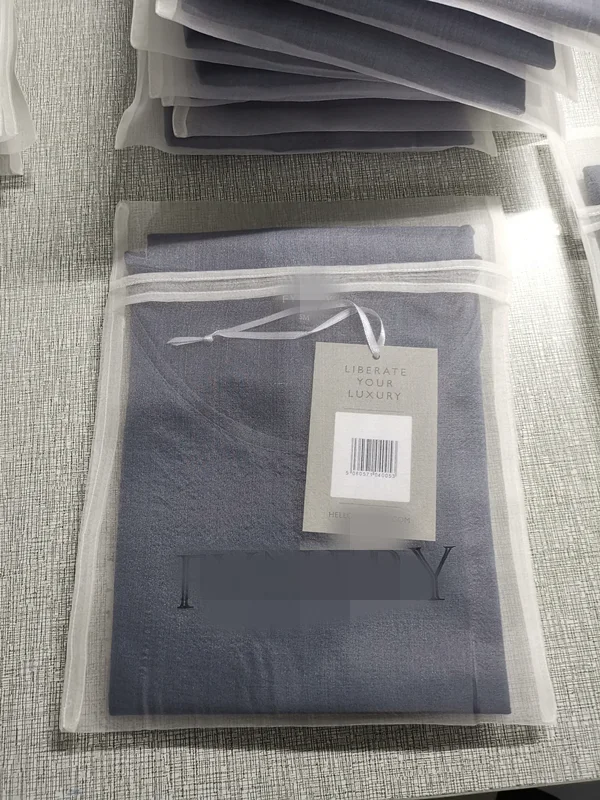
Branded mesh bags, recyclable polybags, paper sleeves, barcode labels, size stickers, and care inserts can be reviewed against the sales channel.
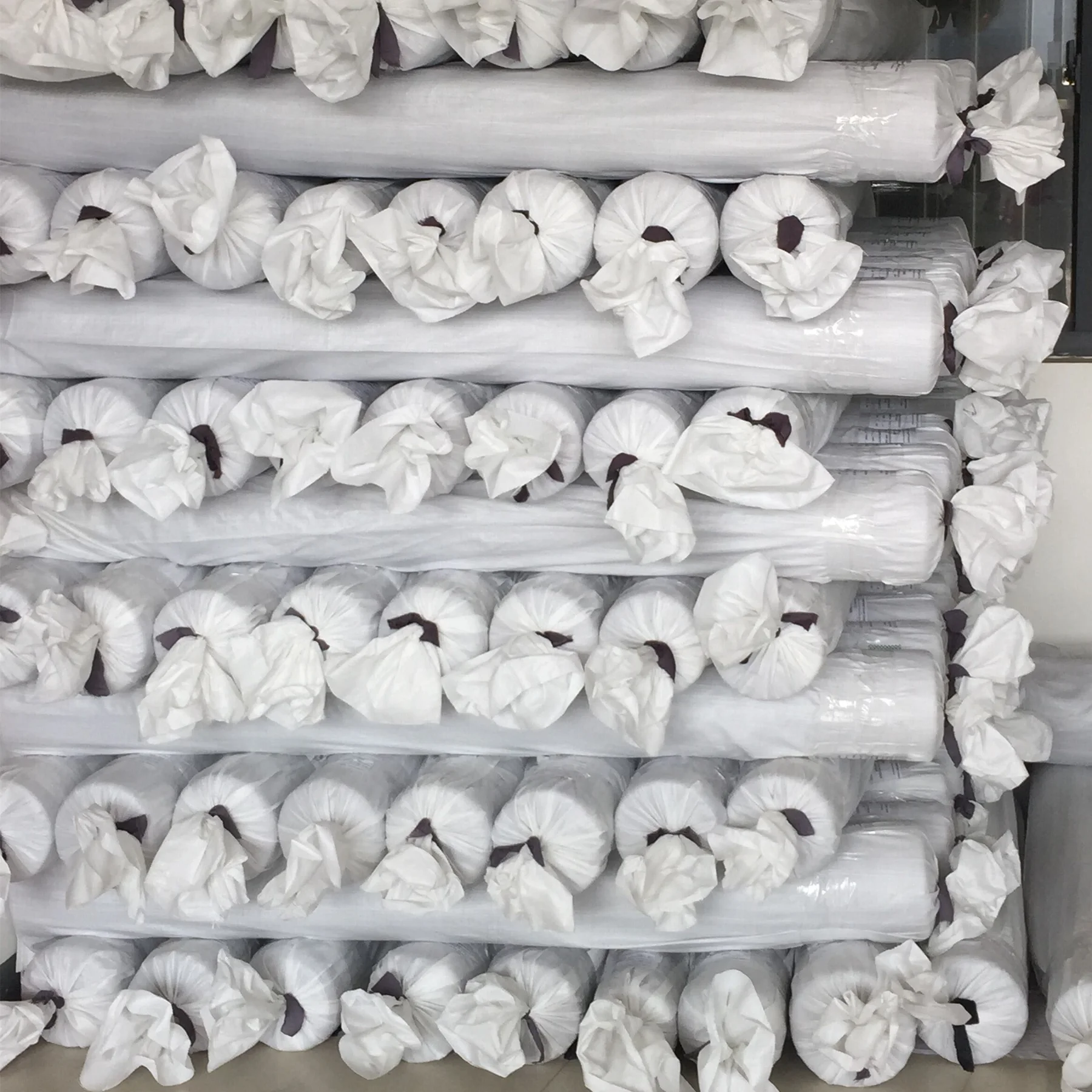
When fabric ships separately, rolls are wrapped, identified by lot, and protected from dust and handling damage before carton or pallet loading.
Provide the intended product, fiber content, preferred weave, momme or GSM, usable width, solid color or artwork, finish, test and care requirements, order quantity, destination market, and target schedule. A current swatch, reference product, specification sheet, or artwork file helps the team prepare a more relevant fabric proposal.
Choose momme together with weave and end use, not as a stand-alone quality score. A suitable weight depends on the required drape, opacity, body, seam performance, durability direction, care method, and target cost. Compare coded swatches and test the selected fabric in the intended product before confirming bulk.
Yes. A custom color can begin from a physical reference or agreed color standard, followed by lab-dip approval. Printed silk development starts with artwork, repeat size, color separation, and a strike-off on the selected base fabric. Bulk approval should also cover registration, handfeel, fastness, and care.
Yes. Begin with available swatches to compare weave, weight, luster, surface, drape, and opacity. If the project needs a custom shade, print, finish, or product conversion, approve the relevant lab dip, strike-off, or trial sample before the bulk standard and production schedule are confirmed.
Shade control starts with an approved reference and defined viewing conditions. Bulk rolls can then be identified and grouped by dye lot, checked against the standard, and separated when visible variation affects cutting. Retained swatches, roll records, and consistent panel direction help manage repeat orders and large products.
MOQ and timing depend on whether the fabric is available or custom developed, plus the weave, weight, width, color or print, finish, testing, quantity, and packing method. Send the complete brief so sampling, bulk production, and shipment timing can be quoted for the actual construction instead of a generic estimate.
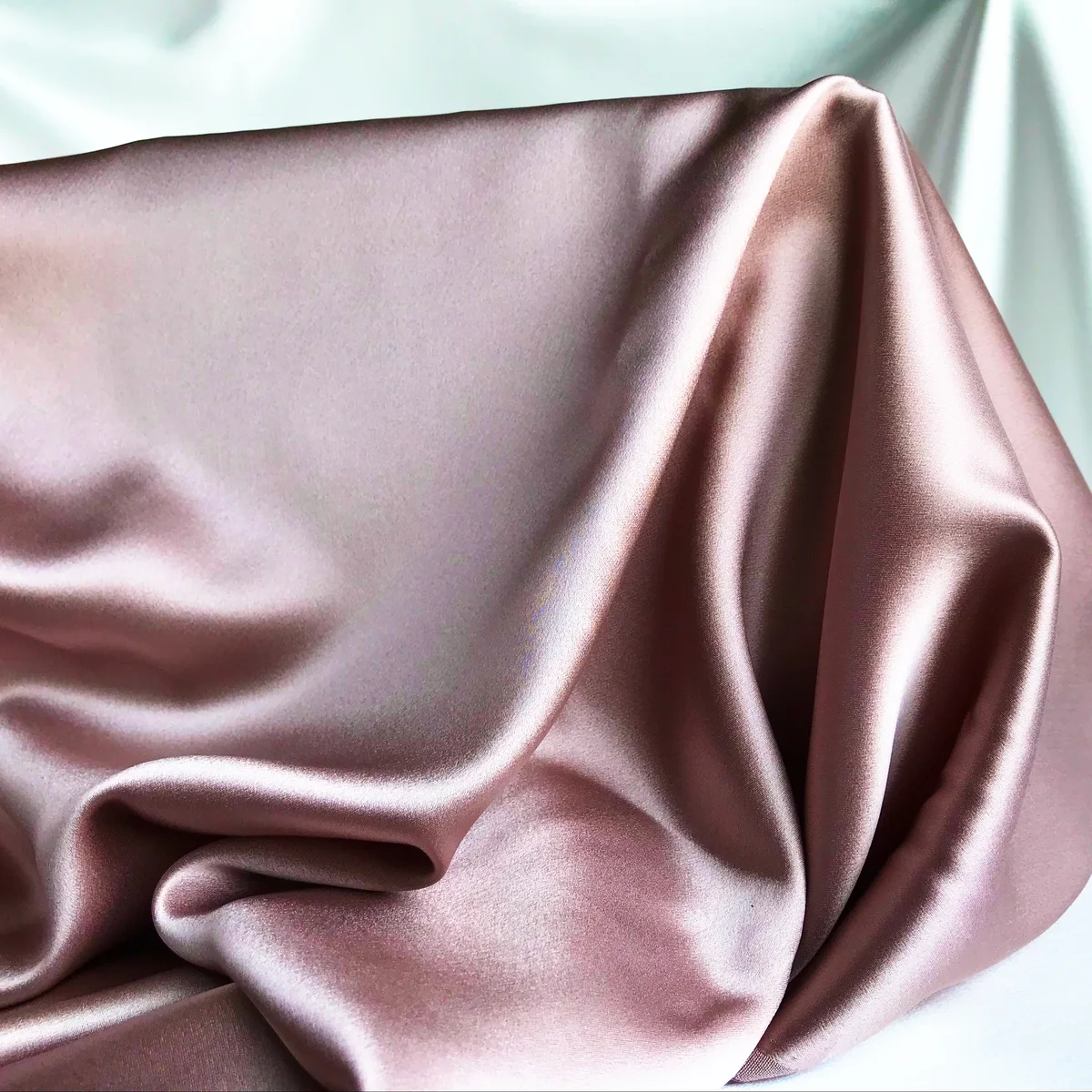
Core silk fabric supply for swatch review, sampling, and bulk material planning.
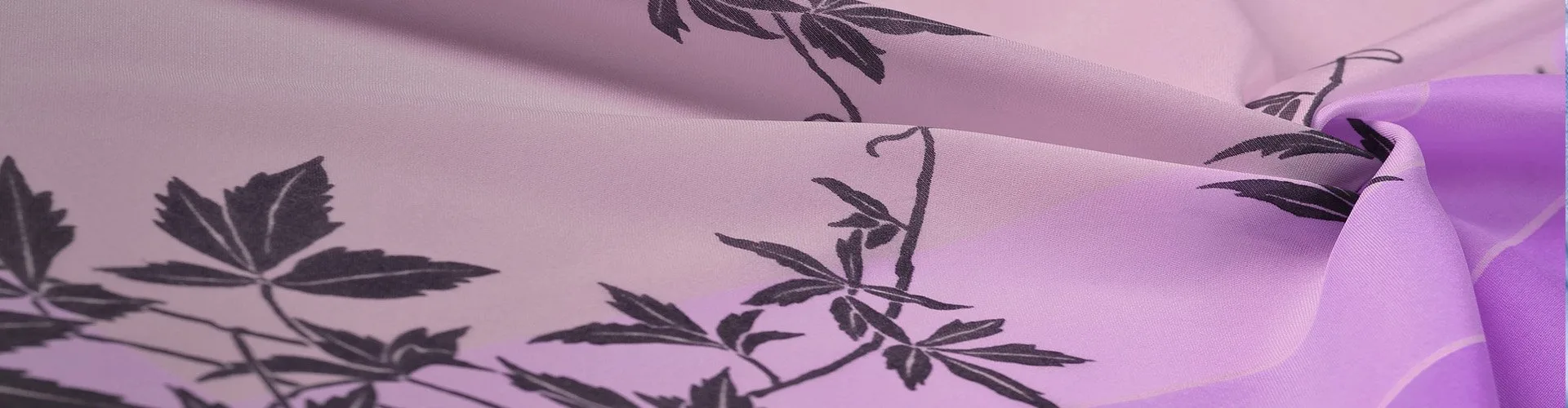
Bamboo-derived and silk–bamboo materials specified by exact composition, weave, GSM, shrinkage, pilling, care, and claim evidence.
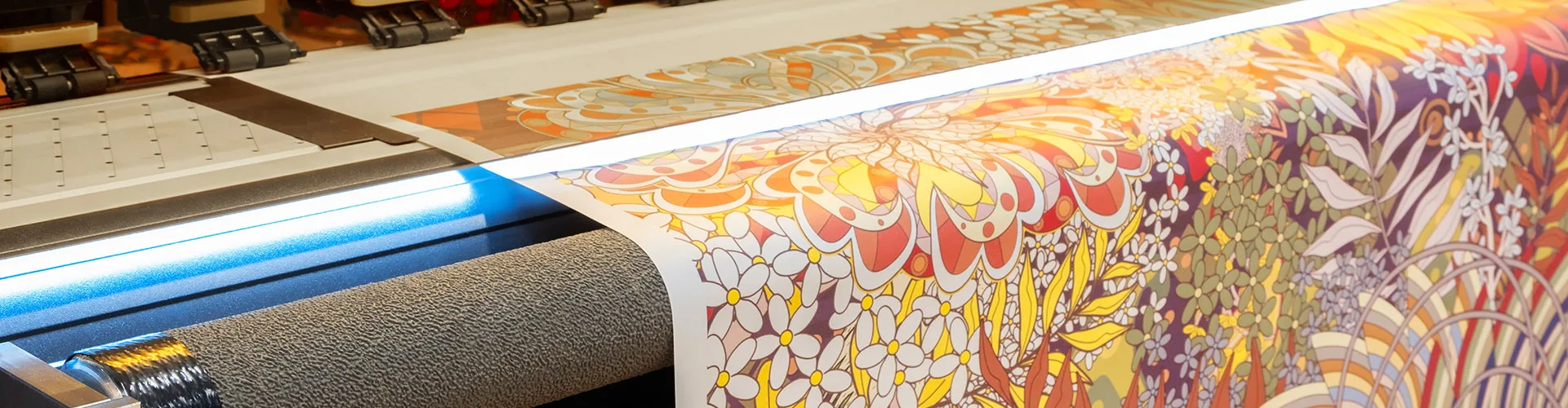
Printing and finishing programs developed around fiber chemistry, artwork, color approval, handfeel, fastness, care, and supported claims.
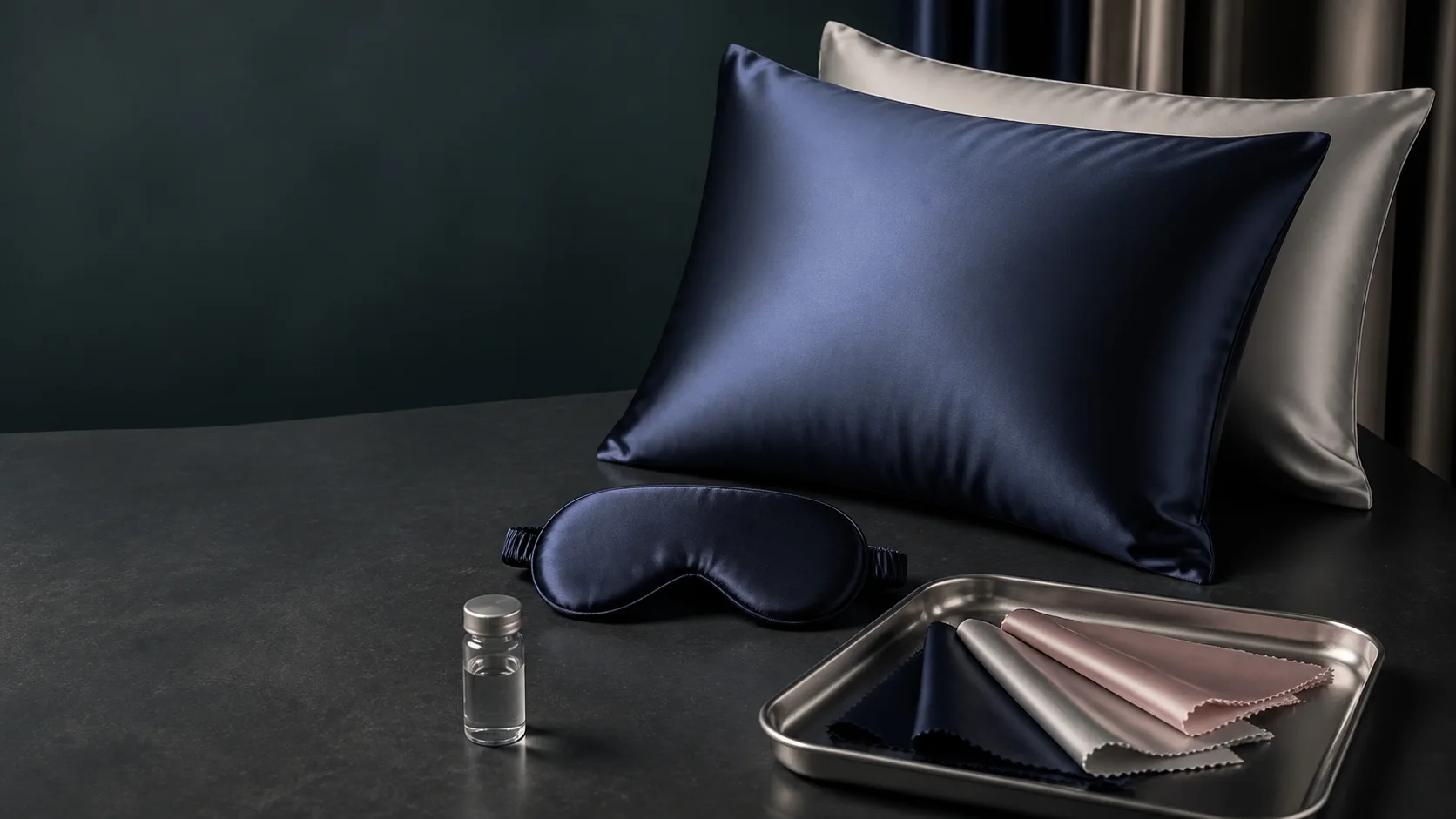
Develop silver-ion finished silk products through named samples, controlled application trials, care-cycle review, lot traceability, and evidence-led claim approval.
Start a development brief
Send the end product, weave, momme, width, color or artwork, testing, quantity, target price, and repeat-order requirements.