
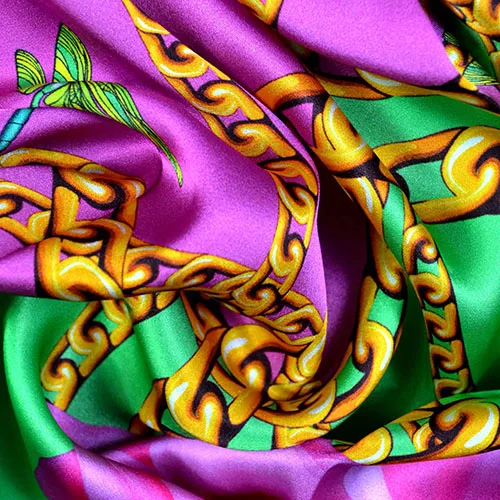
Printing And Artwork
Choose digital, reactive, pigment, screen, transfer, or double-sided routes by fiber chemistry, artwork, volume, handfeel, fastness, and care.
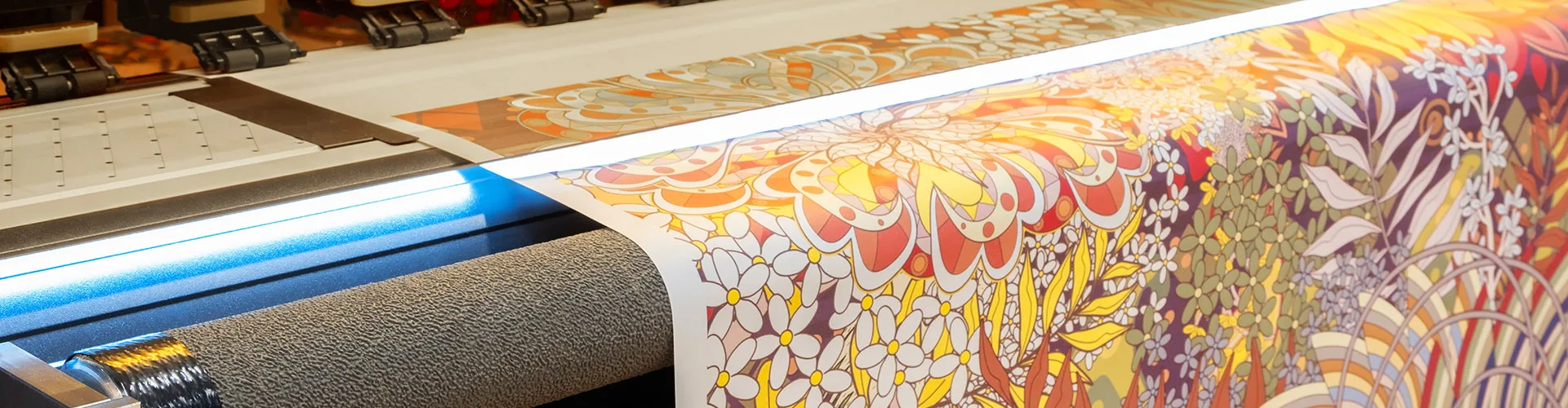
Develop printing, coloration, surface, functional, cosmetic-oriented, and sensory finish programs around fiber compatibility, controlled trials, care, safety, evidence, and repeatable bulk processing.
A process or ingredient name does not prove performance. Start with the exact base fabric, product, target result, care route, market, safety needs, test scope, and intended wording.
Untreated controls, coded treated swatches, lab dips or strike-offs, product trials, after-care evaluation, retained references, and lot records turn a finish concept into an approval standard.
Bulk release should connect chemistry or artwork, machine and process conditions, shade and handfeel, test evidence, labels, packaging, and claim language to the production lot.
Separate process language from performance claims and approve every finish on the exact base fabric and product.
Choose digital, reactive, pigment, screen, transfer, or double-sided routes by fiber chemistry, artwork, volume, handfeel, fastness, and care.
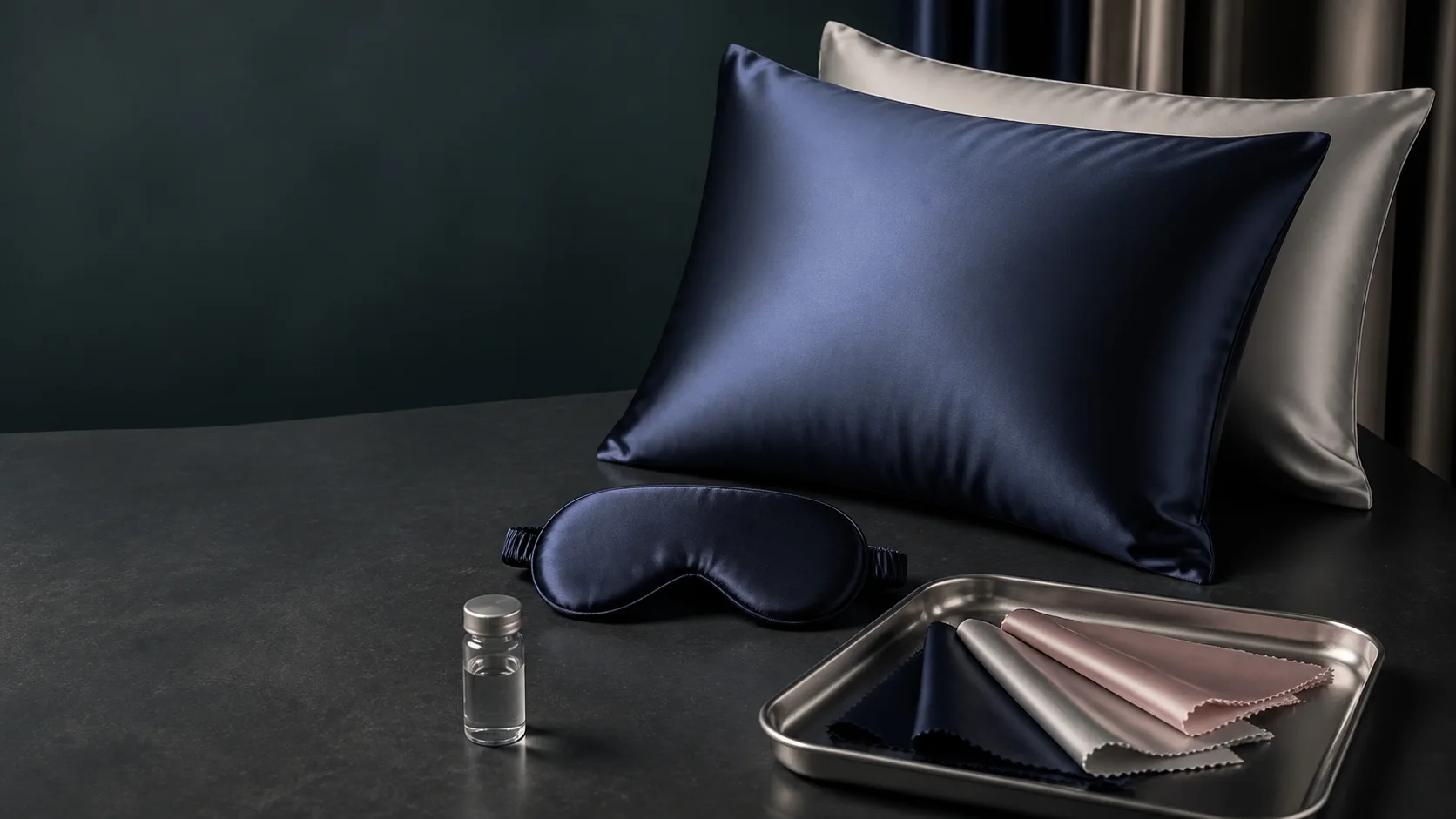
Develop coded trials with controlled chemistry, application, curing, care review, test scope, traceability, and evidence-led wording.

Evaluate hyaluronic-acid or argan-oil directions through paired swatches, ingredient or performance evidence, after-care review, and named-sample control.
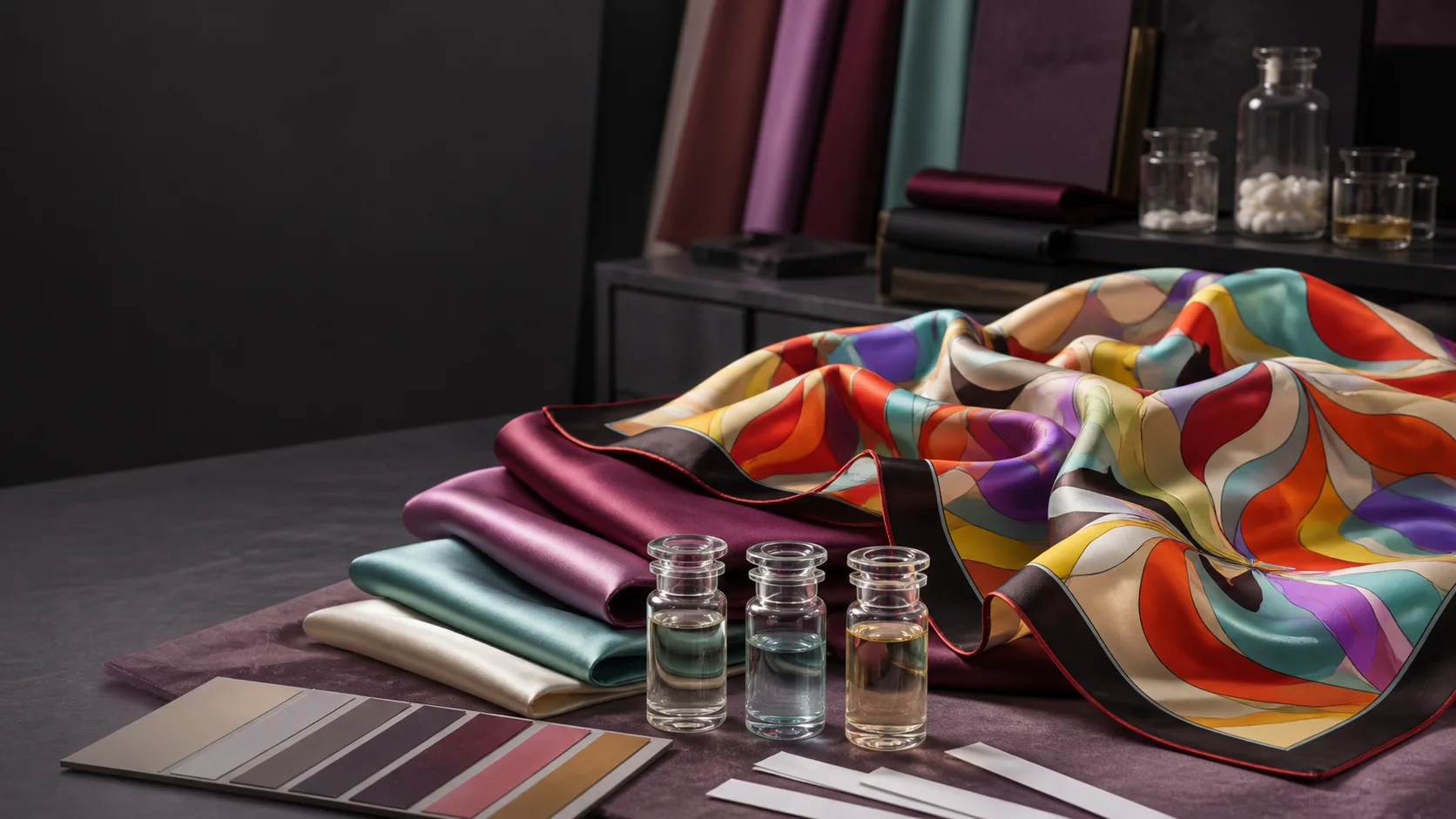
Approve scent code, carrier, dose, process, care, safety documentation, retained sensory standard, packing, and permitted language.
One representative result page is shown for each report. Select an image to enlarge it.
Silver ion · 3-page report
Silver ion · 3-page report
Hyaluronic acid + argan oil · 4-page report
Hyaluronic acid · 7-page report
Material review
Confirm composition, weight, handfeel, sheen, drape, color, finish, and end-use behavior.
Sampling focus
Swatches and trial development help match the fabric to pillowcases, sleepwear, masks, bonnets, scarves, or bedding.
Bulk control
Batch management covers color standard, fabric surface, shrinkage direction, finish consistency, and packing labels.
Buyer support
Suitable for brands comparing silk, bamboo, specialty finishes, and blended material options before product sampling.
Real production workflow
Real production photographs show how a specialty finish moves from buyer alignment and coded trials to product conversion and final lot release. Each gate creates the approved reference for the next.
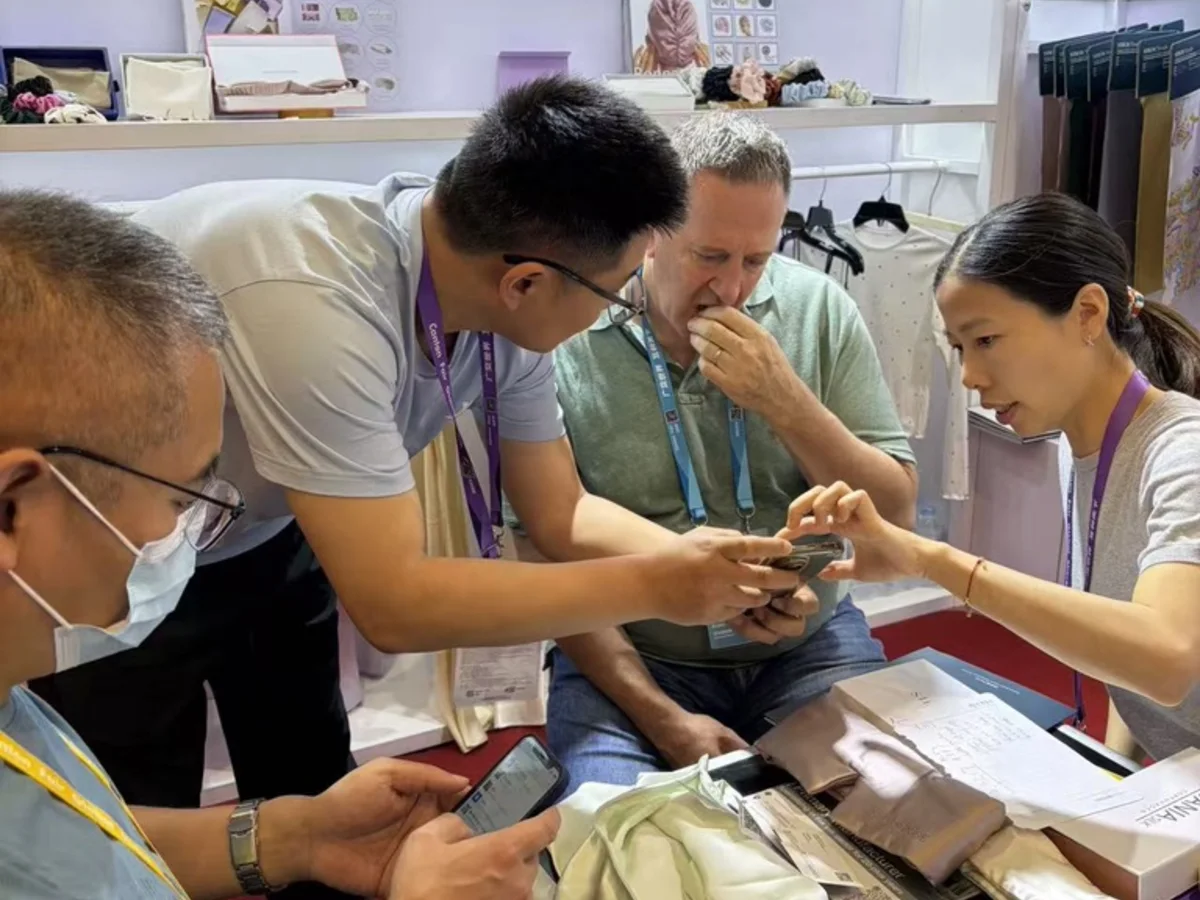 01
Approval gate 1
Review the end product, reference sample, substrate identity, construction, shade, artwork or finish target, care route, market, and permitted claim language before any trial starts.
Gate output
Approved brief + named base fabric
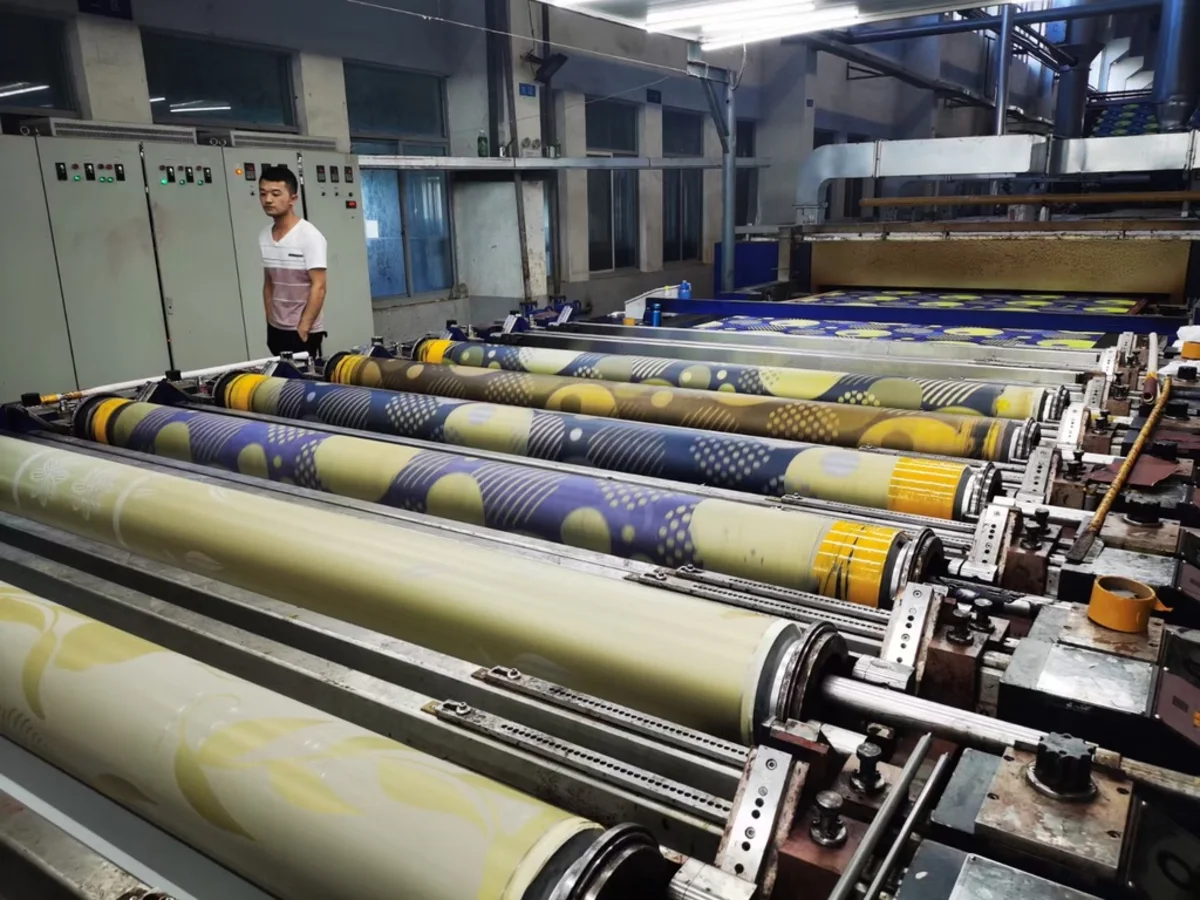 02
Approval gate 2
Apply the approved artwork or formula to coded material, record machine and process settings, then compare shade, coverage, handfeel, registration, and after-care behavior with the target.
Gate output
Coded trial + recorded process settings
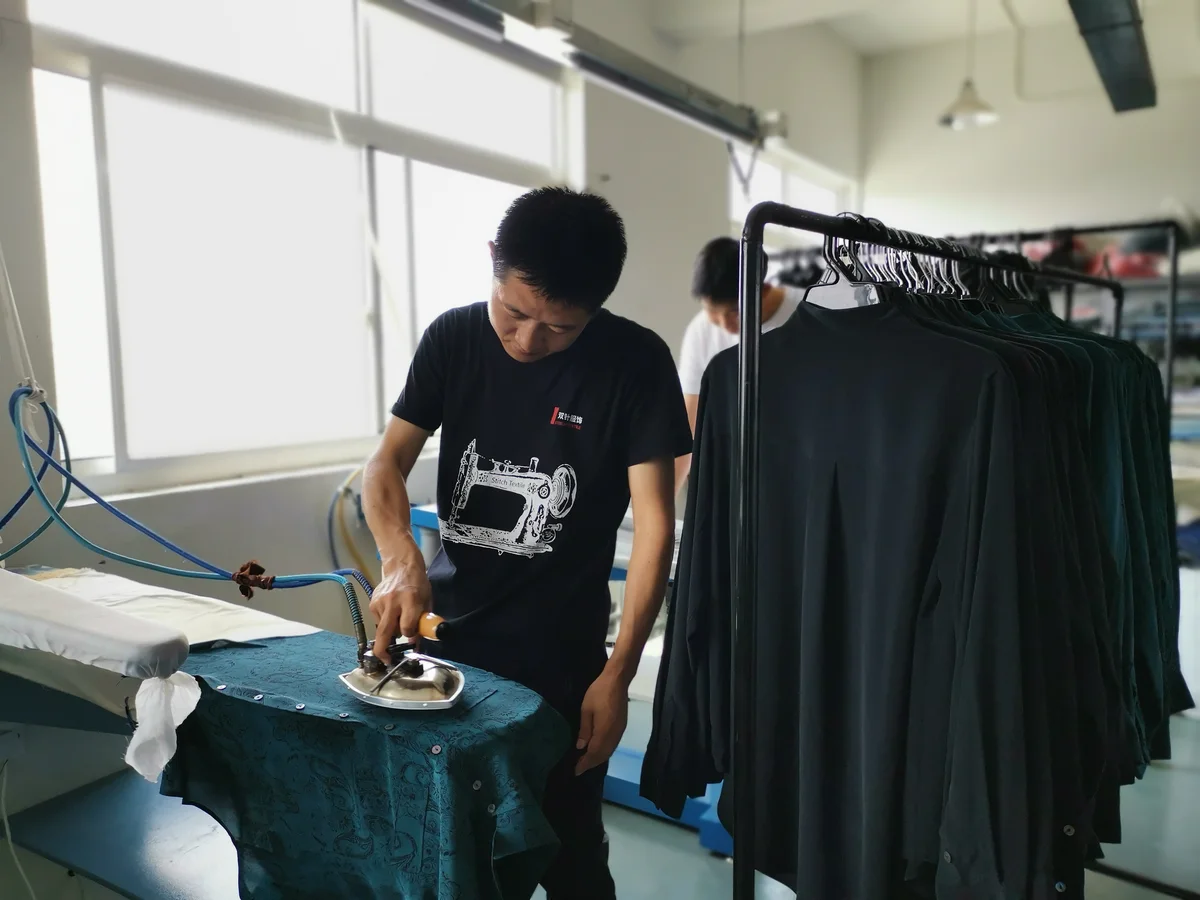 03
Approval gate 3
Convert the approved material into a real product sample. Cutting, sewing, pressing, drape, seam appearance, finish visibility, and care performance are reviewed together—not only on a loose swatch.
Gate output
Approved product sample
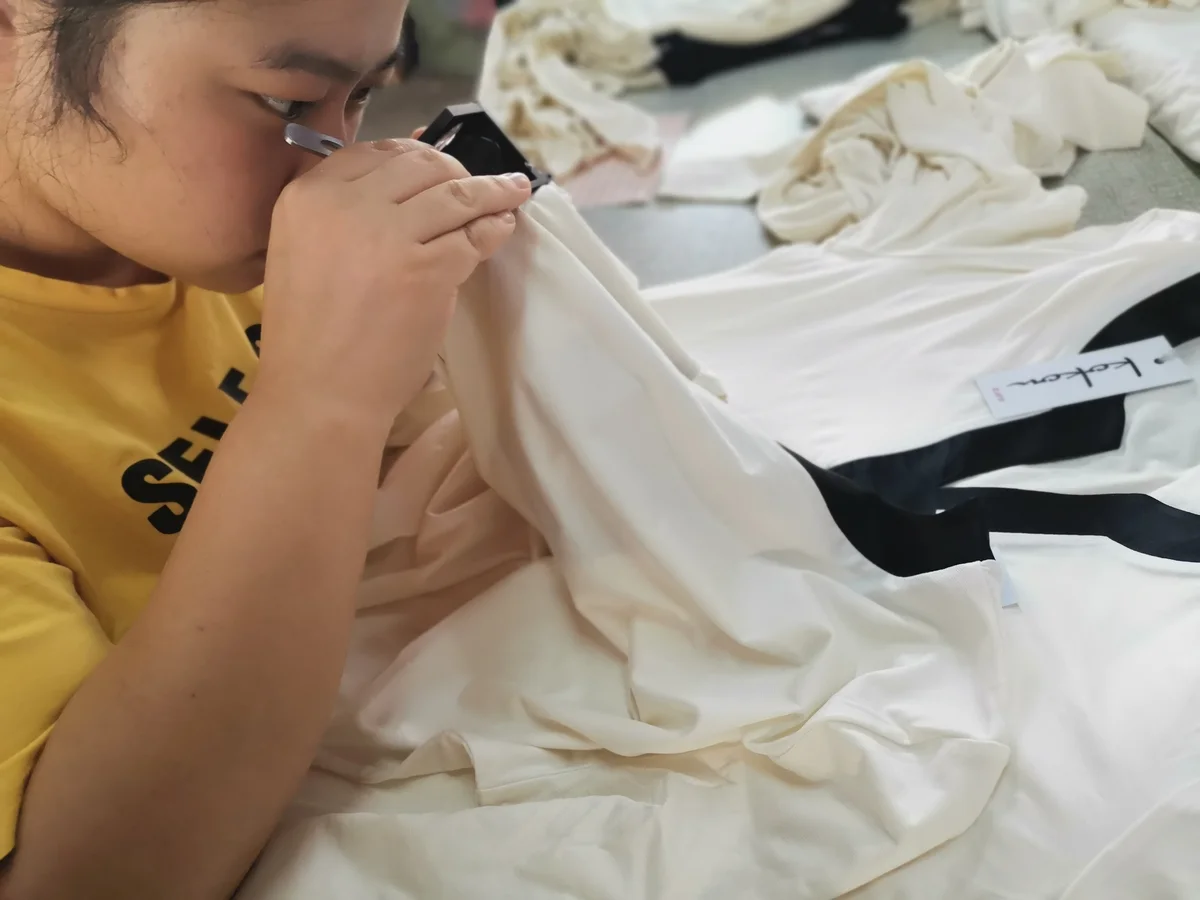 04
Approval gate 4
Inspect finished pieces or rolls against the approved reference, group shade and lot records, verify labels and test evidence, retain samples, and release bulk only when the result matches the standard.
Gate output
Retained standard + bulk release record
Keep coded standards, inputs, settings, lots, shade, handfeel, care results, safety records, tests, and approved wording connected.
Composition, weight, surface, shade, handfeel, and finish consistency.
Production notes for specialty finishes are translated into checkpoints that operators and QC teams can follow consistently.
Swatch approval, bulk batch tracking, packing label accuracy, and end-use compatibility.
Apply controlled finishes to bedding, sleepwear, masks, scarves, accessories, hospitality textiles, and buyer-owned programs.
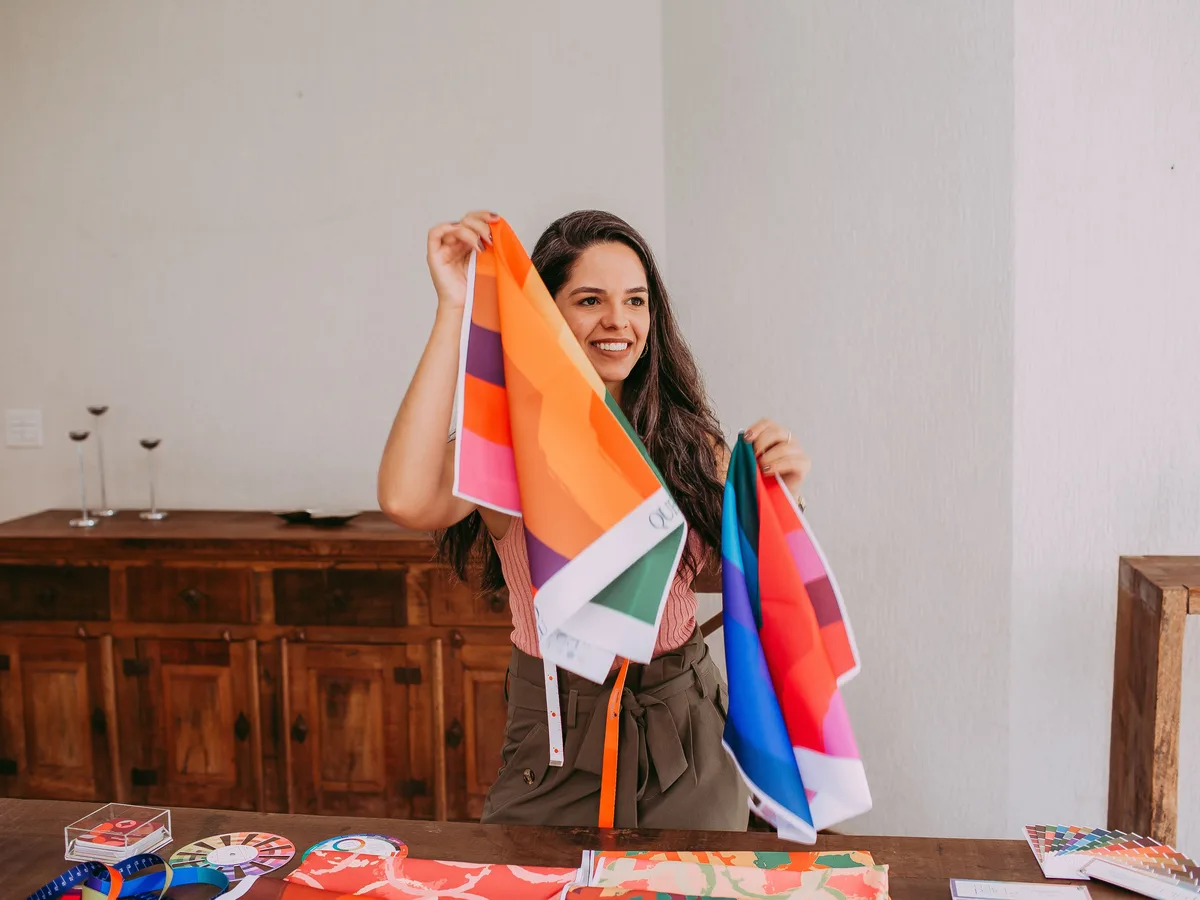
Specialty Finishes can be positioned for product sampling with matched handfeel, finish, color standard, and sample development support.

Specialty Finishes can be positioned for private-label collections with matched handfeel, finish, color standard, and sample development support.
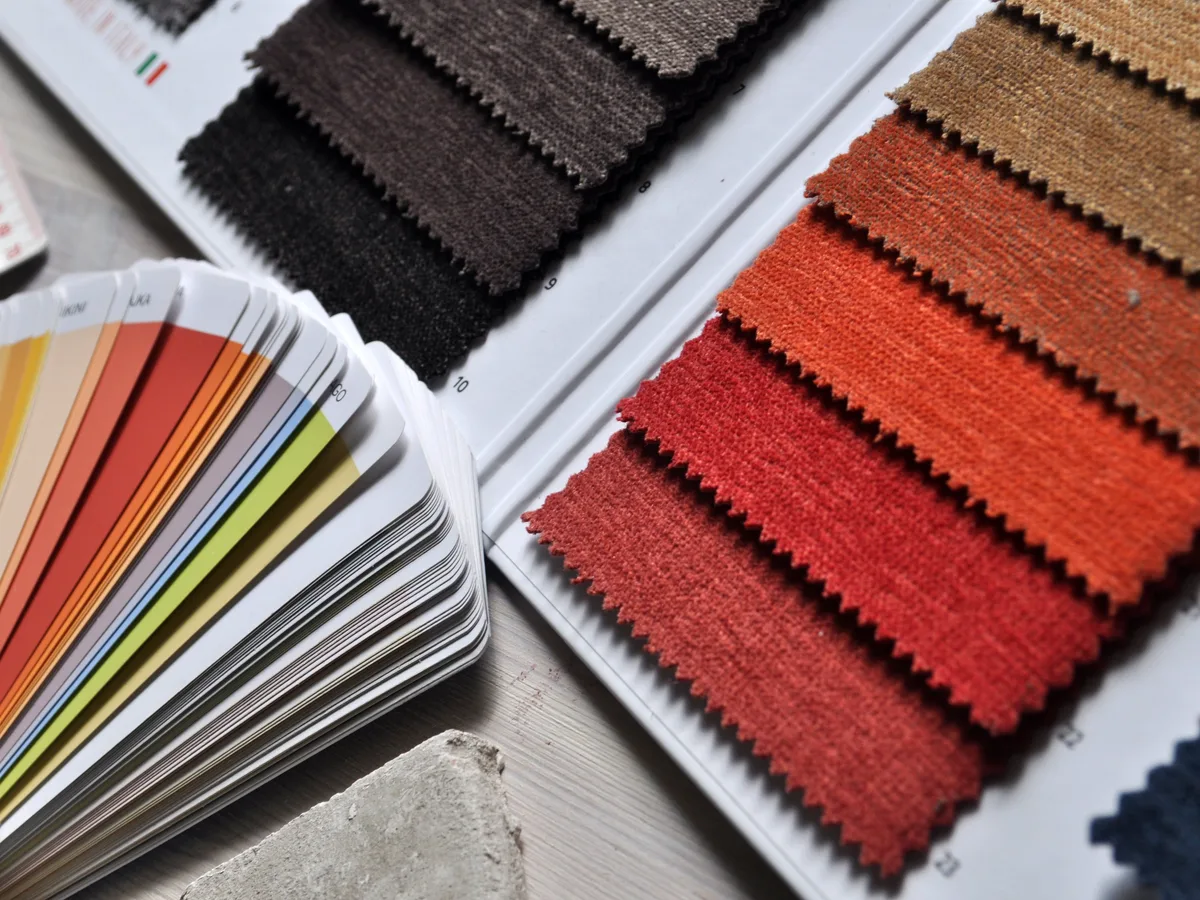
Specialty Finishes can be positioned for material comparison with matched handfeel, finish, color standard, and sample development support.
Yes. Fabric programs can be discussed around material type, finish, color direction, end-use application, swatch review, and product sampling needs.
We use approved samples, material standards, process sheets, in-line inspection, finished-goods review, packaging checks, and batch-level production control.
Helpful details include target market, quantity, material preference, size or specification, color direction, logo method, packaging format, and any reference sample or artwork.
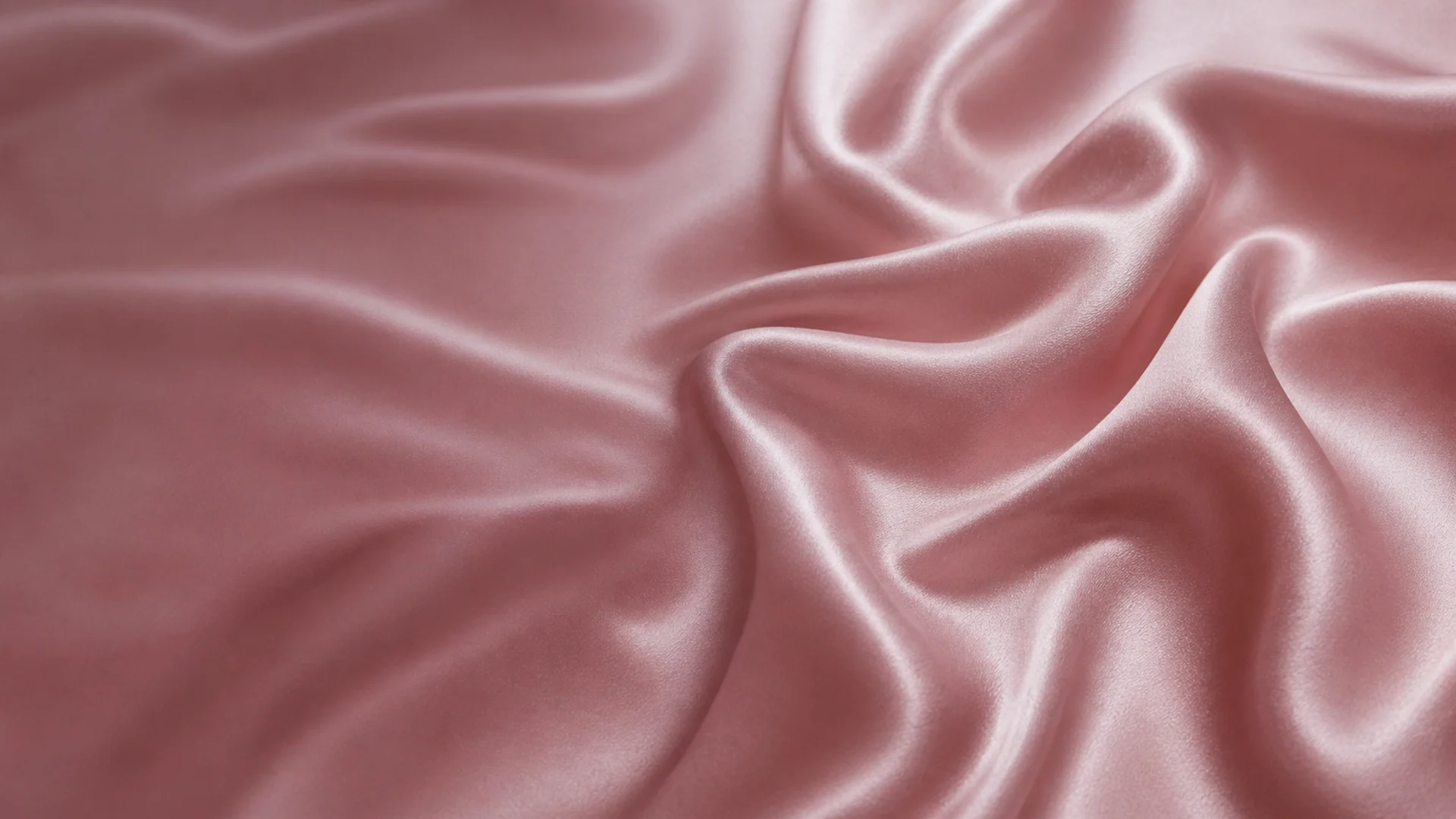
Pure silk constructions selected by weave, momme, width, drape, opacity, printing behavior, sewing performance, and end use.
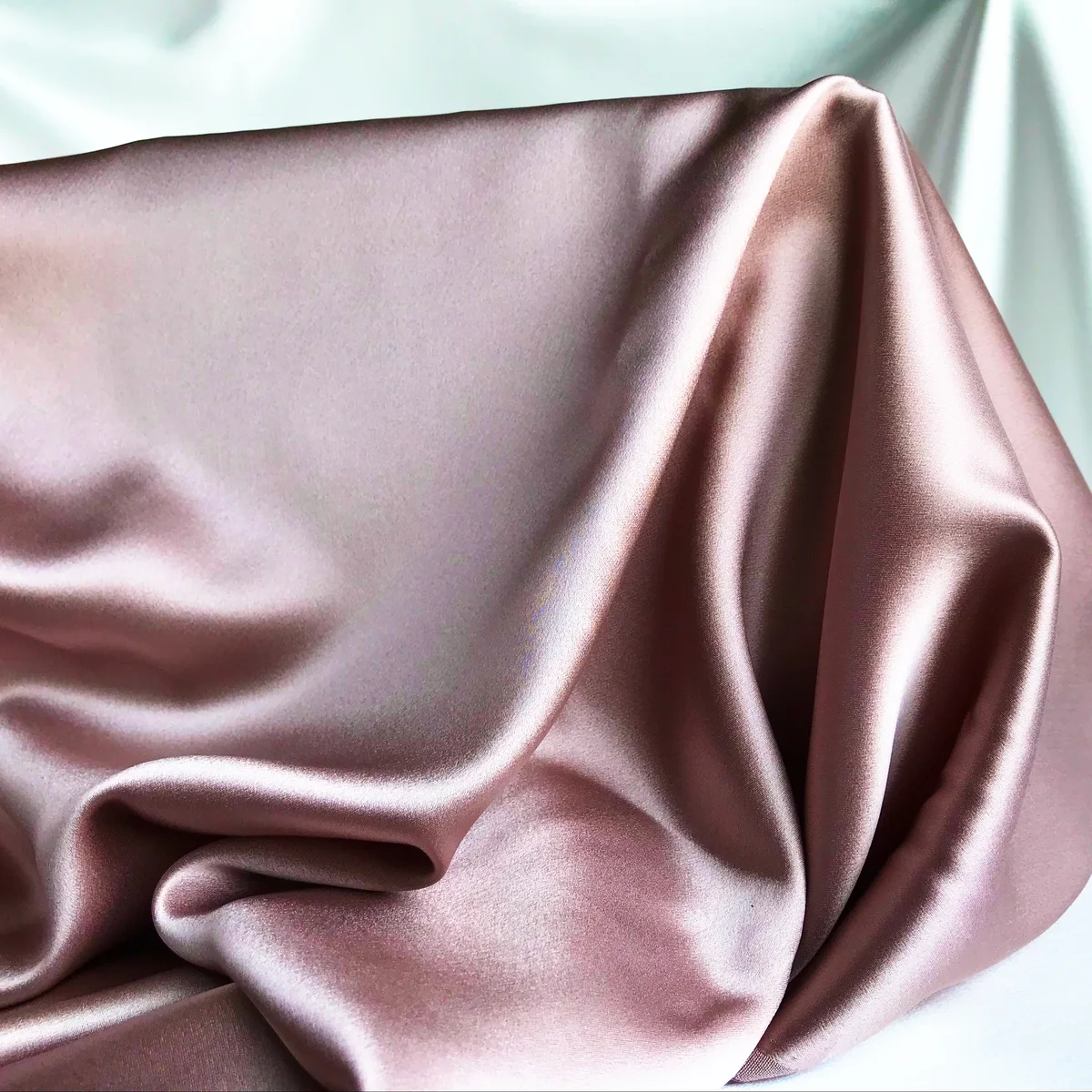
Core silk fabric supply for swatch review, sampling, and bulk material planning.
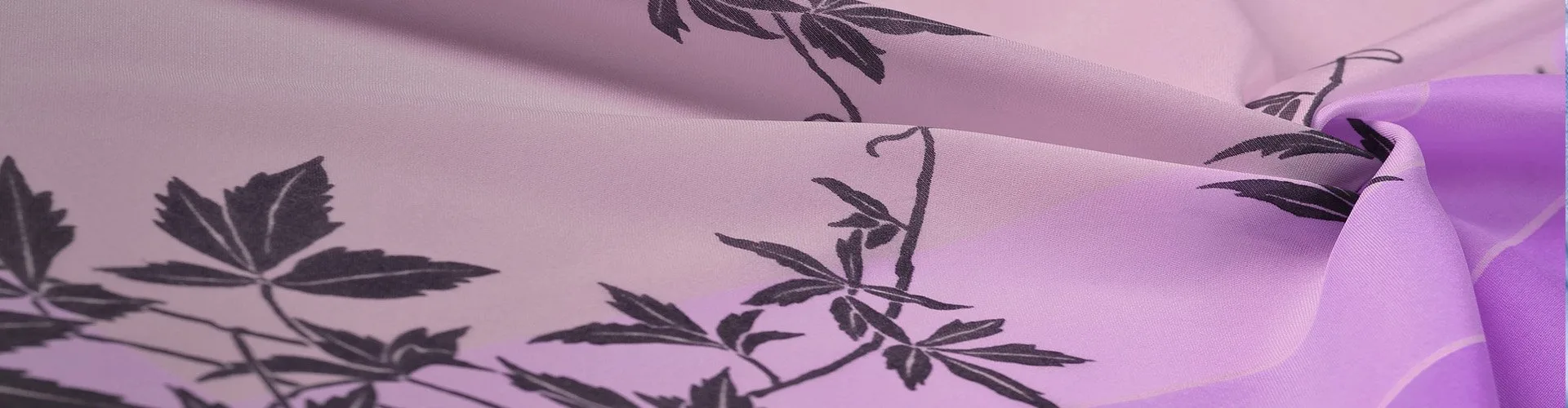
Bamboo-derived and silk–bamboo materials specified by exact composition, weave, GSM, shrinkage, pilling, care, and claim evidence.
Develop silver-ion finished silk products through named samples, controlled application trials, care-cycle review, lot traceability, and evidence-led claim approval.
Start a development brief
Send material, product, artwork or finish target, care, market, wording, safety and test needs, quantity, and reference samples.