Silk-Cotton
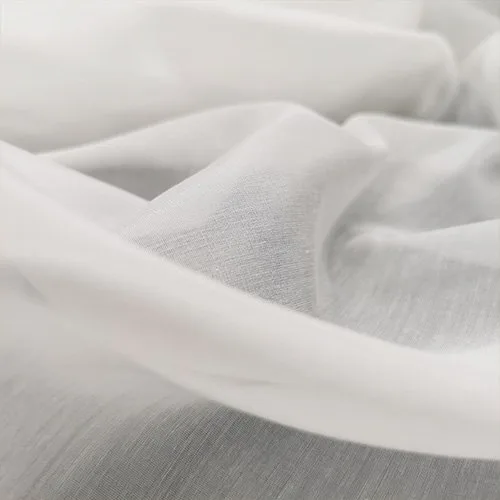
Balance silk luster and drape with cotton body and familiarity; confirm ratio, weave, shrinkage, wrinkle behavior, surface, and care.
Tune drape, strength, care and cost through exact fiber composition, construction and testing.
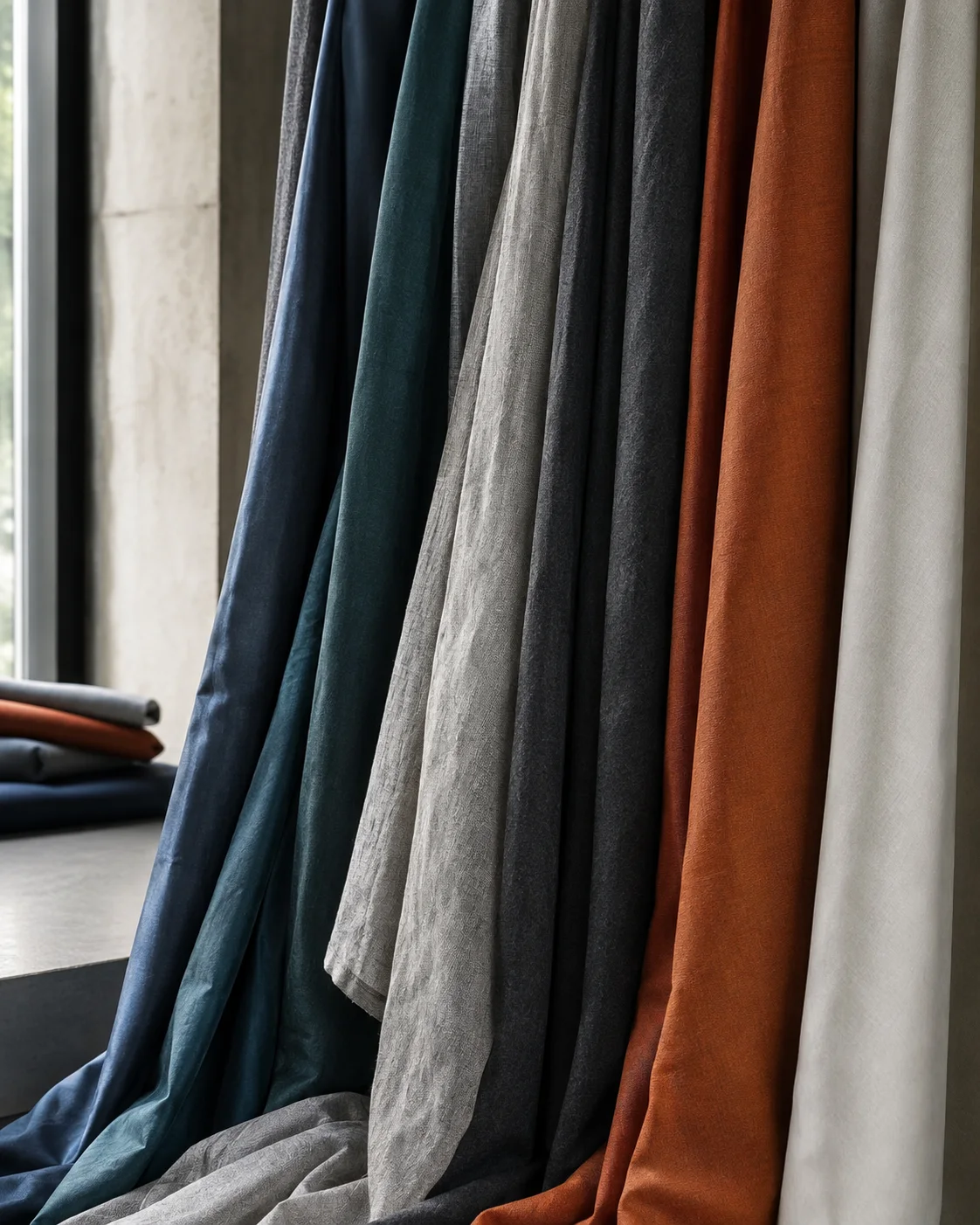
A blend is useful only when it solves a defined product problem such as cost, strength, care, warmth, stretch, texture, opacity, printability, or sourcing stability.
Specify every fiber and percentage, yarn or warp-and-weft arrangement, weave or knit, weight, usable width, stretch, finish, color route, shrinkage, pilling, fastness, care, and end product.
Compare realistic constructions through swatches, color or print trials, cut-and-sew samples, care testing, retained standards, and repeat-lot inspection.

Trade names and silky appearance never replace exact composition, construction, performance testing, and truthful labeling.
Balance silk luster and drape with cotton body and familiarity; confirm ratio, weave, shrinkage, wrinkle behavior, surface, and care.
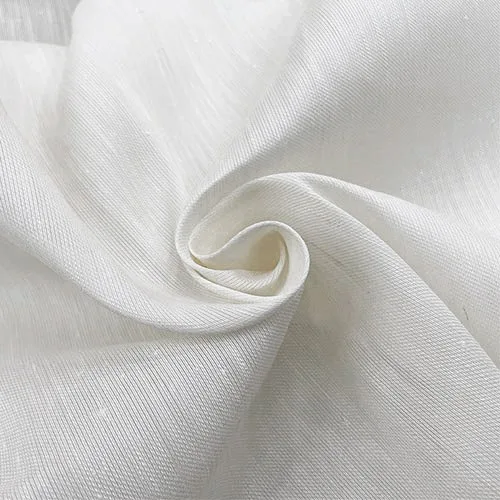
Combine refinement with texture and crispness while approving slubs, creasing, shade, shrinkage, seam behavior, and garment construction.
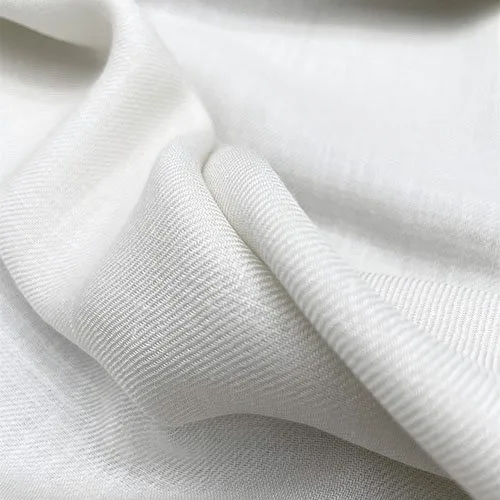
Add warmth, body, and recovery for scarves, garments, accessories, and seasonal programs with controlled content, pilling, stability, and care.
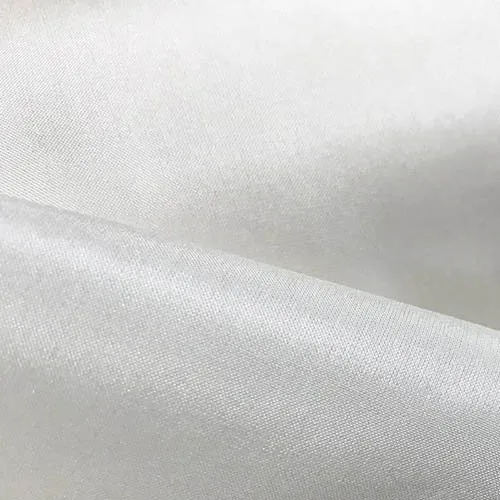
Adjust drape, strength, recovery, care, sourcing, and target cost while keeping composition, performance, and labeling transparent.
Material review
Confirm composition, weight, handfeel, sheen, drape, color, finish, and end-use behavior.
Sampling focus
Swatches and trial development help match the fabric to pillowcases, sleepwear, masks, bonnets, scarves, or bedding.
Bulk control
Batch management covers color standard, fabric surface, shrinkage direction, finish consistency, and packing labels.
Buyer support
Suitable for brands comparing silk, bamboo, specialty finishes, and blended material options before product sampling.
Each approval point is connected to a real factory operation and a retained production reference.
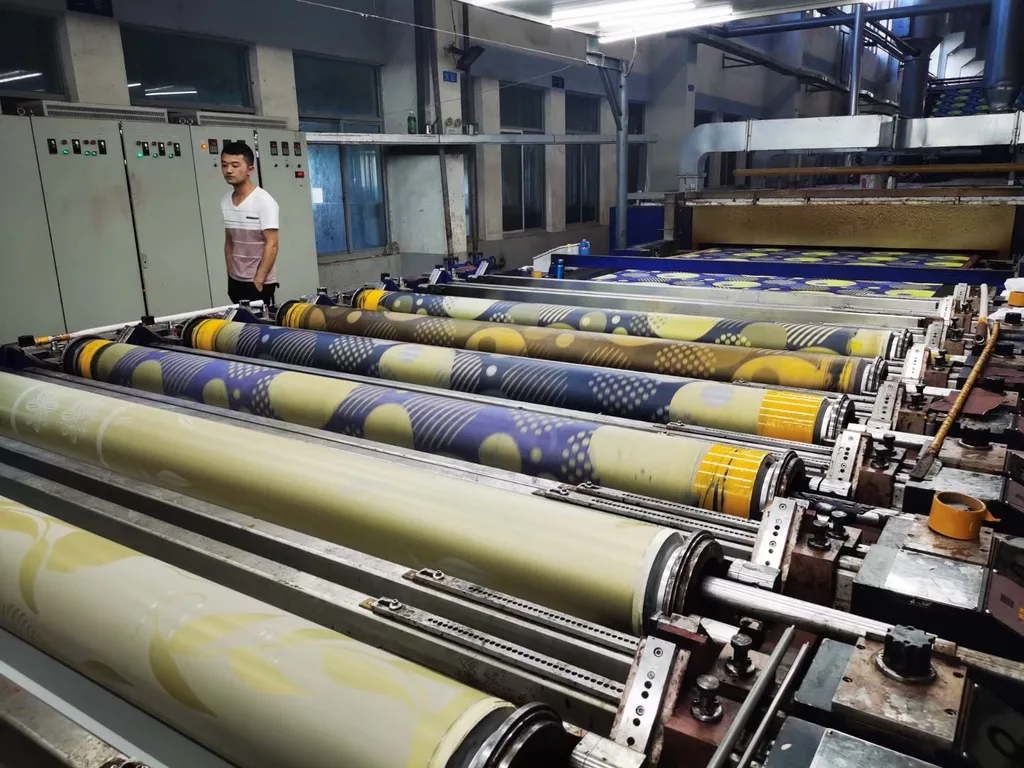
Compare base fabrics, color or print trials, weight, width, shrinkage and finish before approving the construction.
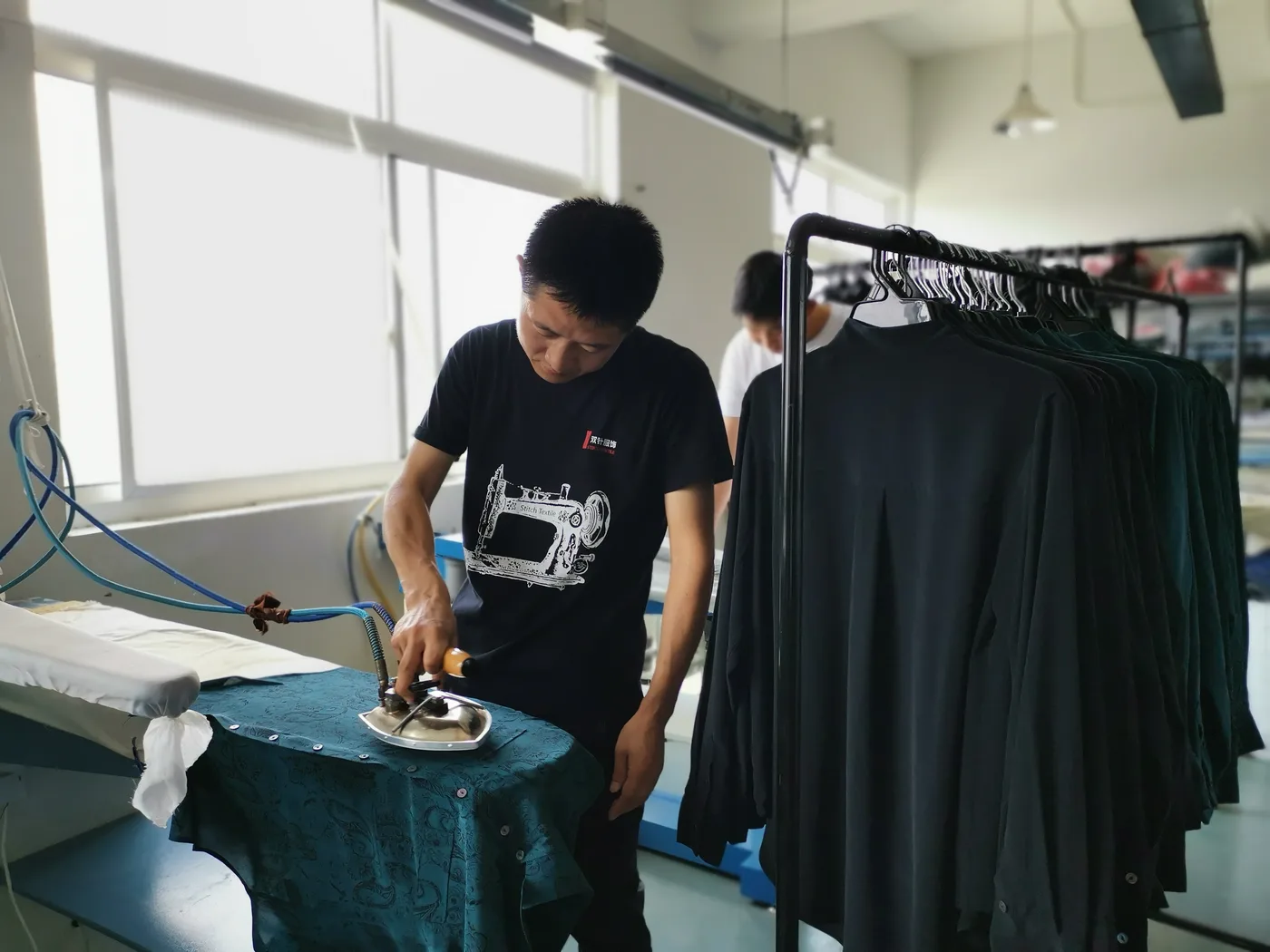
Cut and assemble the selected fabric, then review drape, seam behavior, pressing response and finished dimensions.
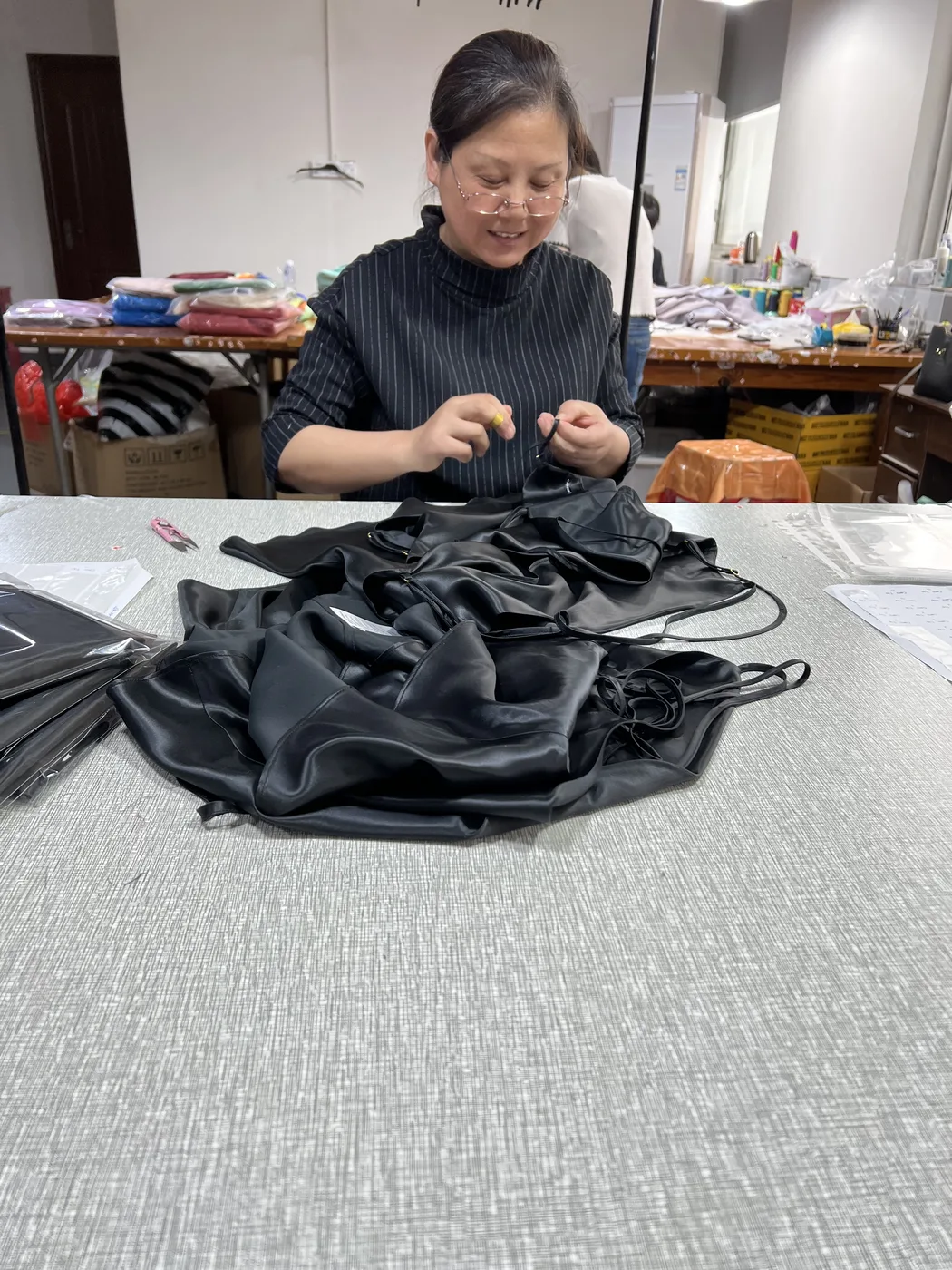
Check edges, labels, closures and small details where mixed fibers or lightweight constructions need manual control.
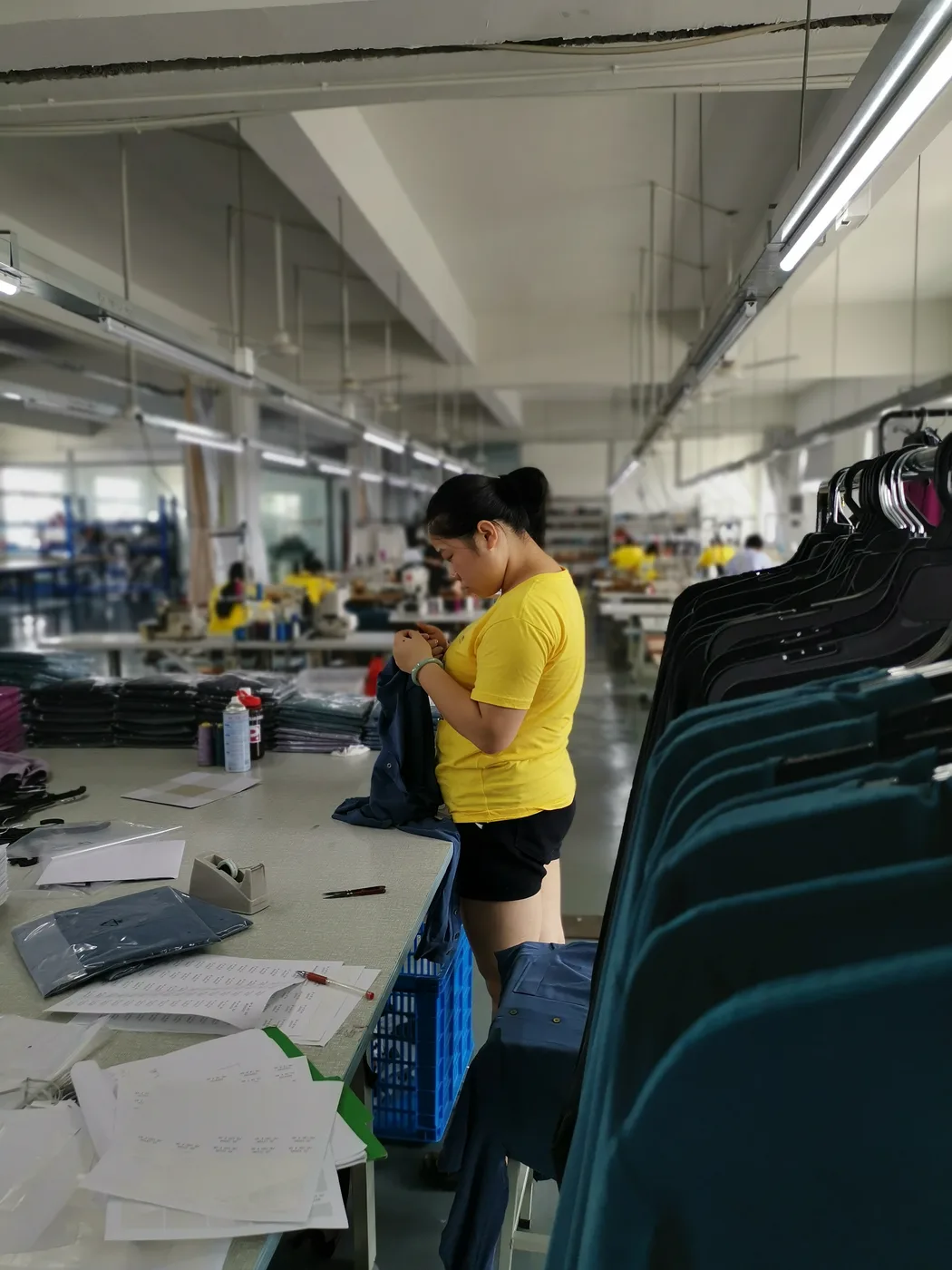
Match bulk pieces to the retained sample for shade, handfeel, measurements, workmanship, care labeling and packing release.
Connect declarations, swatches, lots, shade, weight, width, pilling, shrinkage, heat or wet behavior, care, and product trials.
Composition, weight, surface, shade, handfeel, and finish consistency.
Production notes for other fabric are translated into checkpoints that operators and QC teams can follow consistently.
Swatch approval, bulk batch tracking, packing label accuracy, and end-use compatibility.
Select the fiber mix around the finished product, then validate construction, care and repeat-order performance.

Develop pillowcases, sheets and duvet programs with balanced softness, breathability, durability and realistic care requirements.

Tune drape, opacity, seam behavior and recovery around the exact garment pattern and intended wearing conditions.
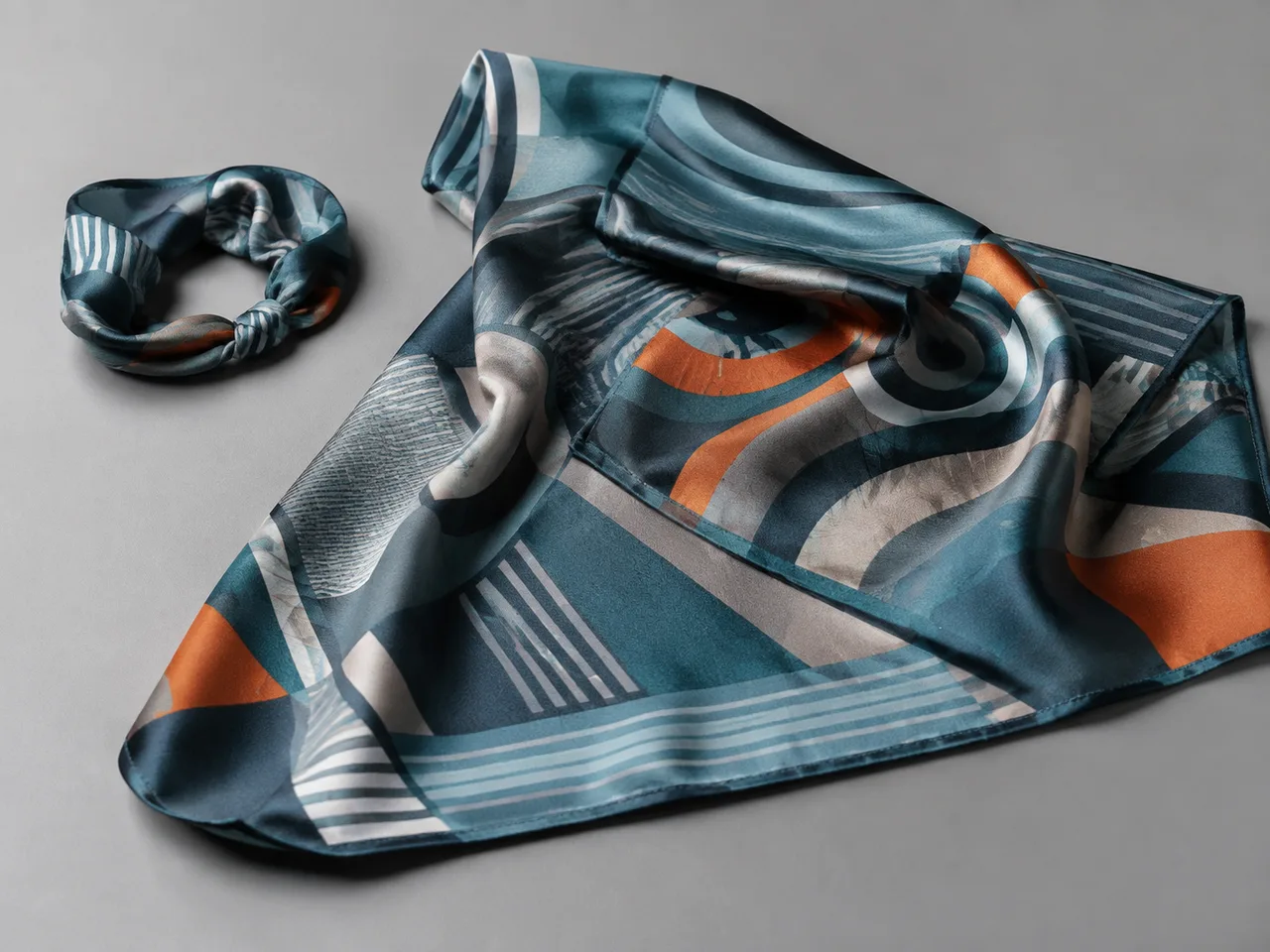
Coordinate print scale, edge finish, luster and handfeel across scarves, scrunchies, wraps and giftable sets.
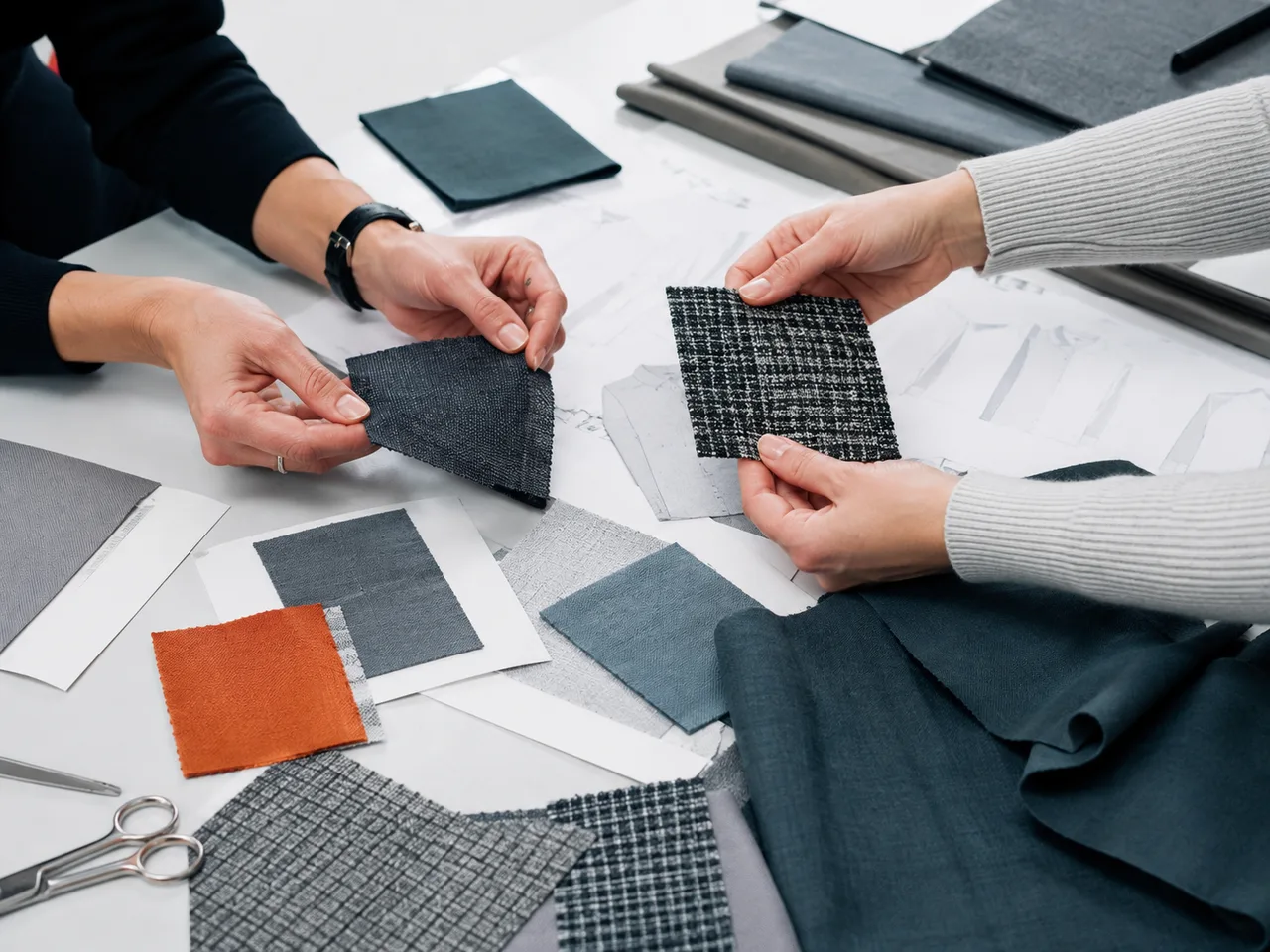
Validate supplied materials through identified swatches, construction trials, care checks and an approved bulk reference.
Yes. Fabric programs can be discussed around material type, finish, color direction, end-use application, swatch review, and product sampling needs.
We use approved samples, material standards, process sheets, in-line inspection, finished-goods review, packaging checks, and batch-level production control.
Helpful details include target market, quantity, material preference, size or specification, color direction, logo method, packaging format, and any reference sample or artwork.
Pure silk constructions selected by weave, momme, width, drape, opacity, printing behavior, sewing performance, and end use.
Core silk fabric supply for swatch review, sampling, and bulk material planning.
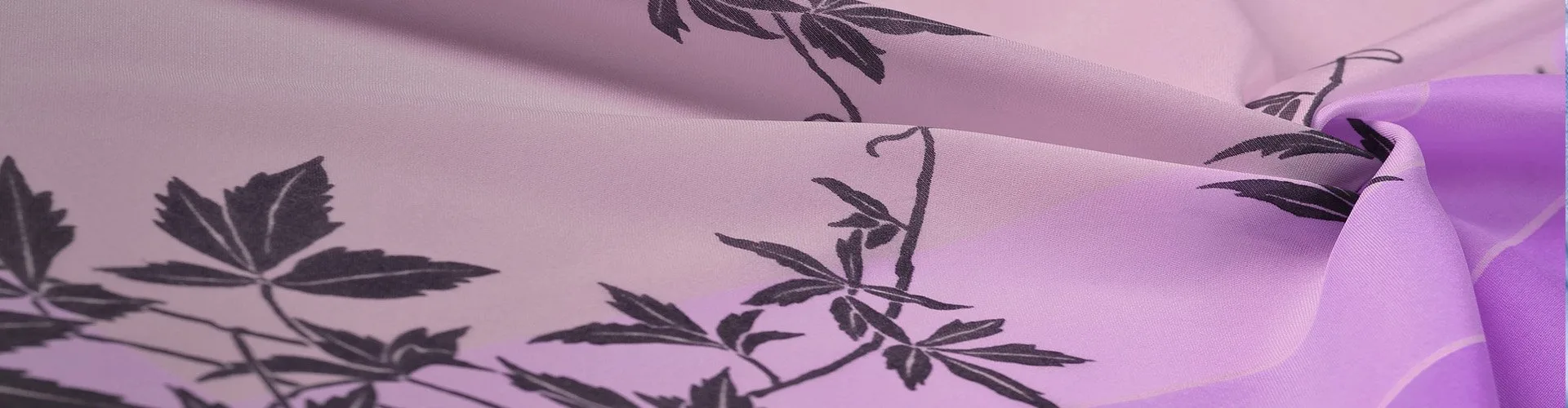
Bamboo-derived and silk–bamboo materials specified by exact composition, weave, GSM, shrinkage, pilling, care, and claim evidence.
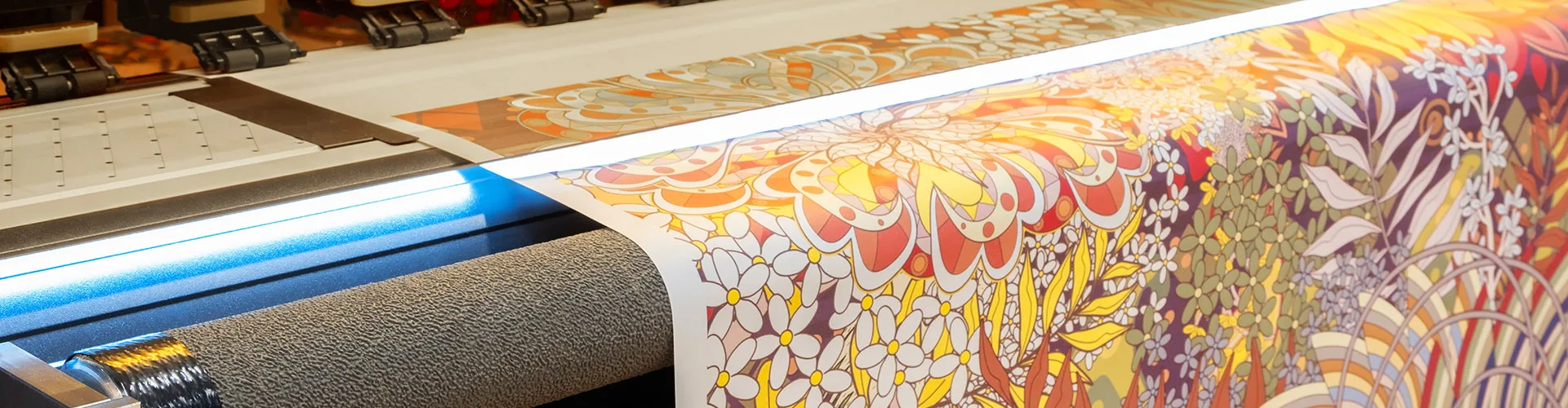
Printing and finishing programs developed around fiber chemistry, artwork, color approval, handfeel, fastness, care, and supported claims.
Start a development brief
Send the product problem, exact composition direction, construction, weight, width, care, tests, quantity, target price, and labeling market.