
Argan-Oil Textile Finishing

Argan-Oil Textile Finishing

Develop argan-oil finished silk programs with paired swatches, named-sample ingredient analysis, after-care review, product sampling, lot traceability, and evidence-led wording.

Contact Teamarrow_forward

Ingredient Presence And After-Care Performance Are Different Questions

An argan-oil textile finish is an ingredient-led finishing direction, not a substitute for the base-fabric specification. Start with composition, weave, weight, color, and care, then define the formula and measurable approval target.

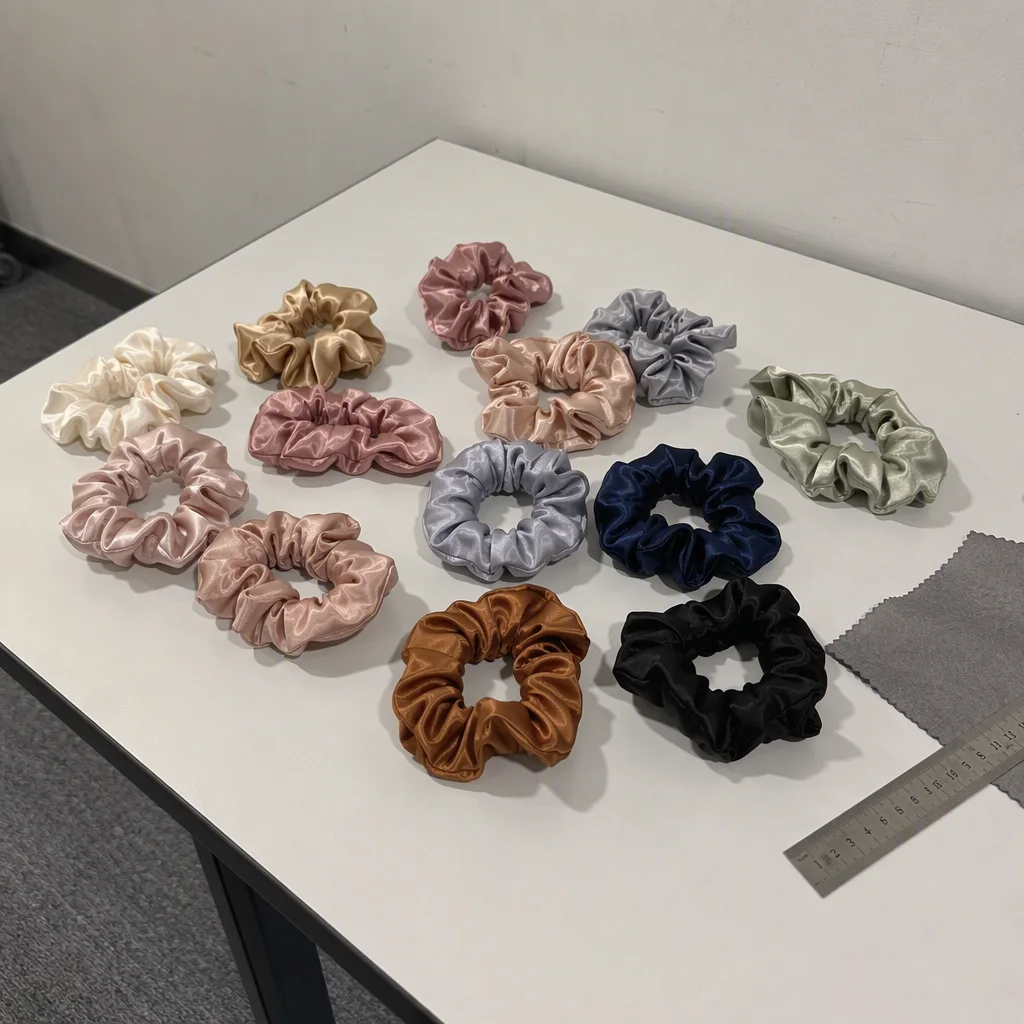
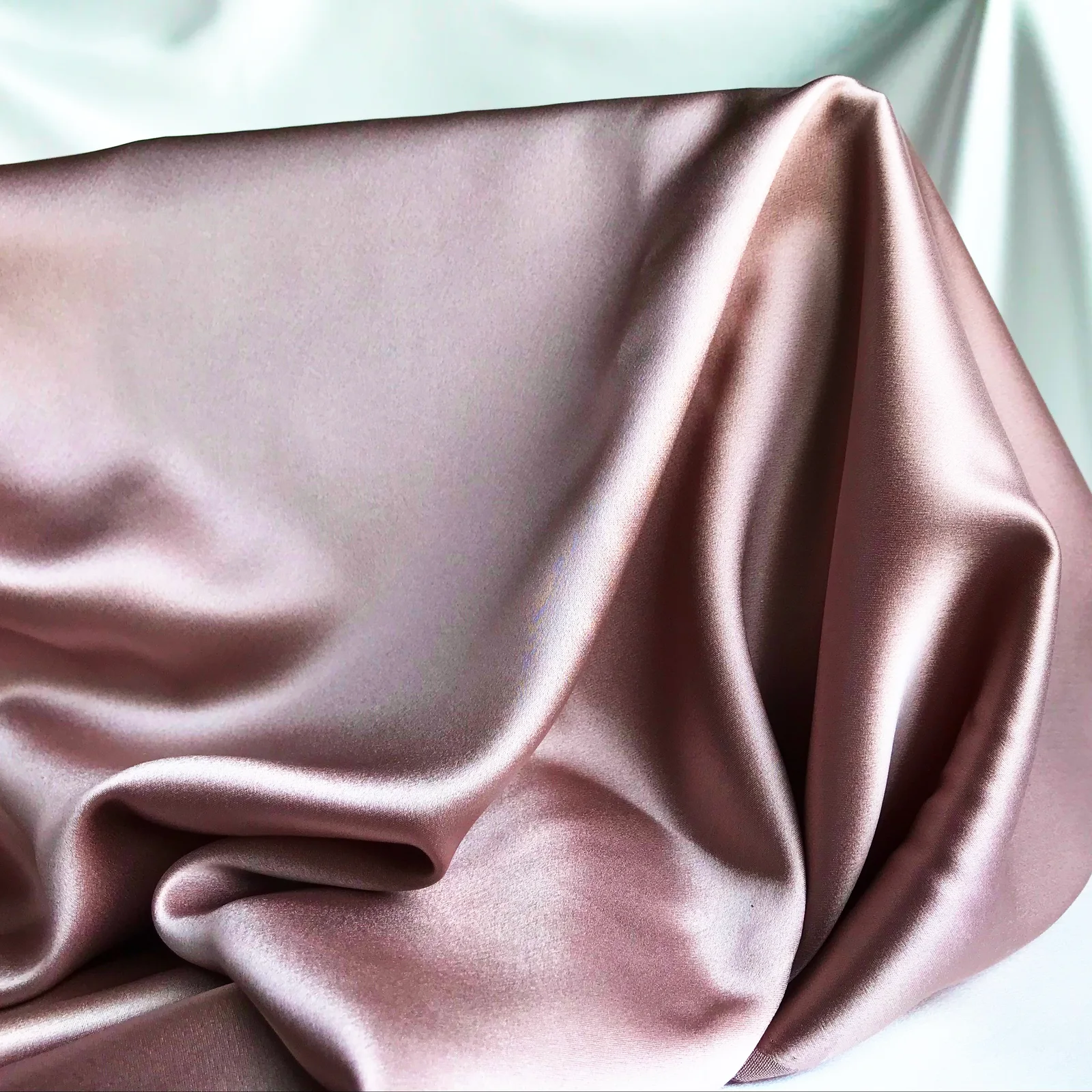
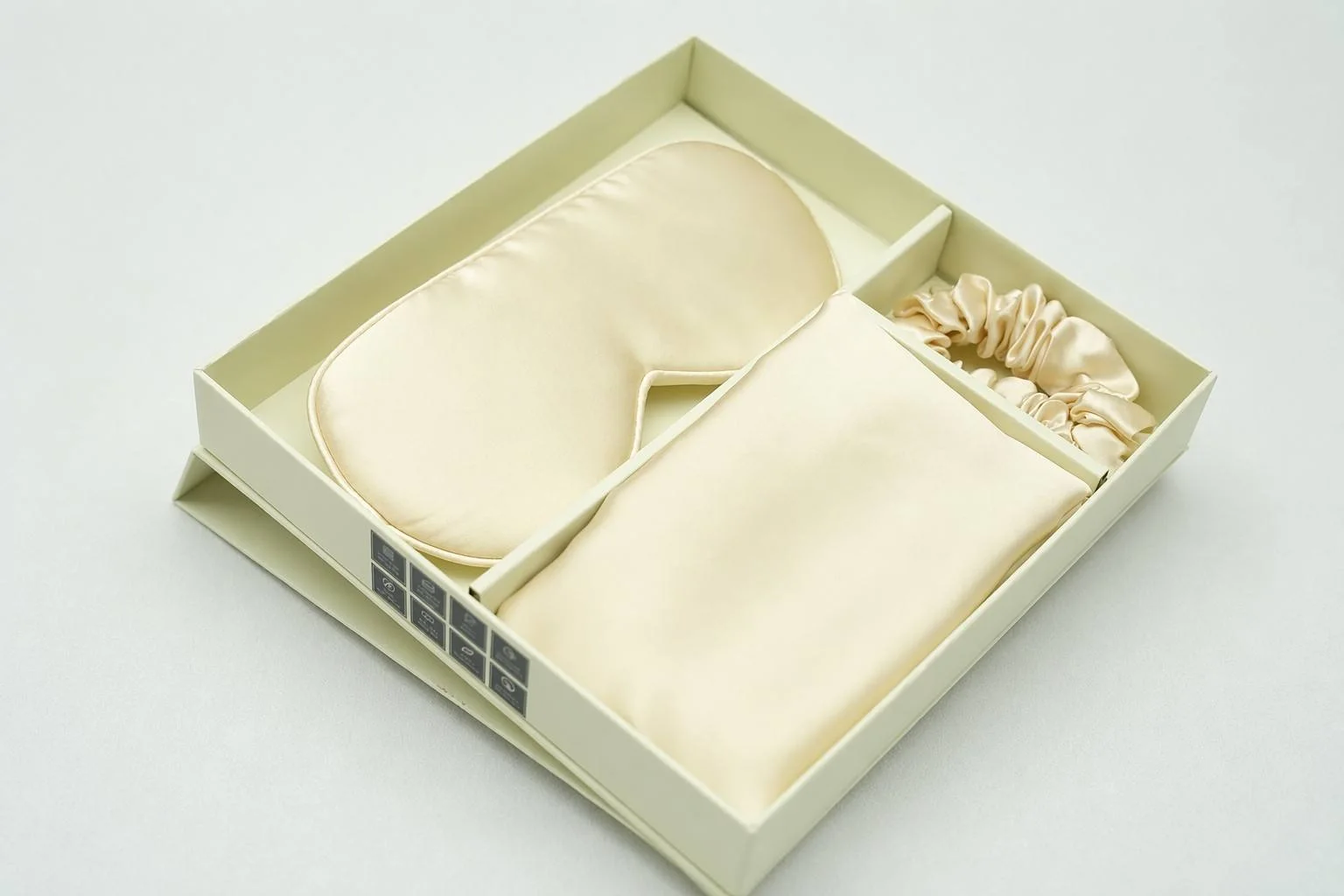
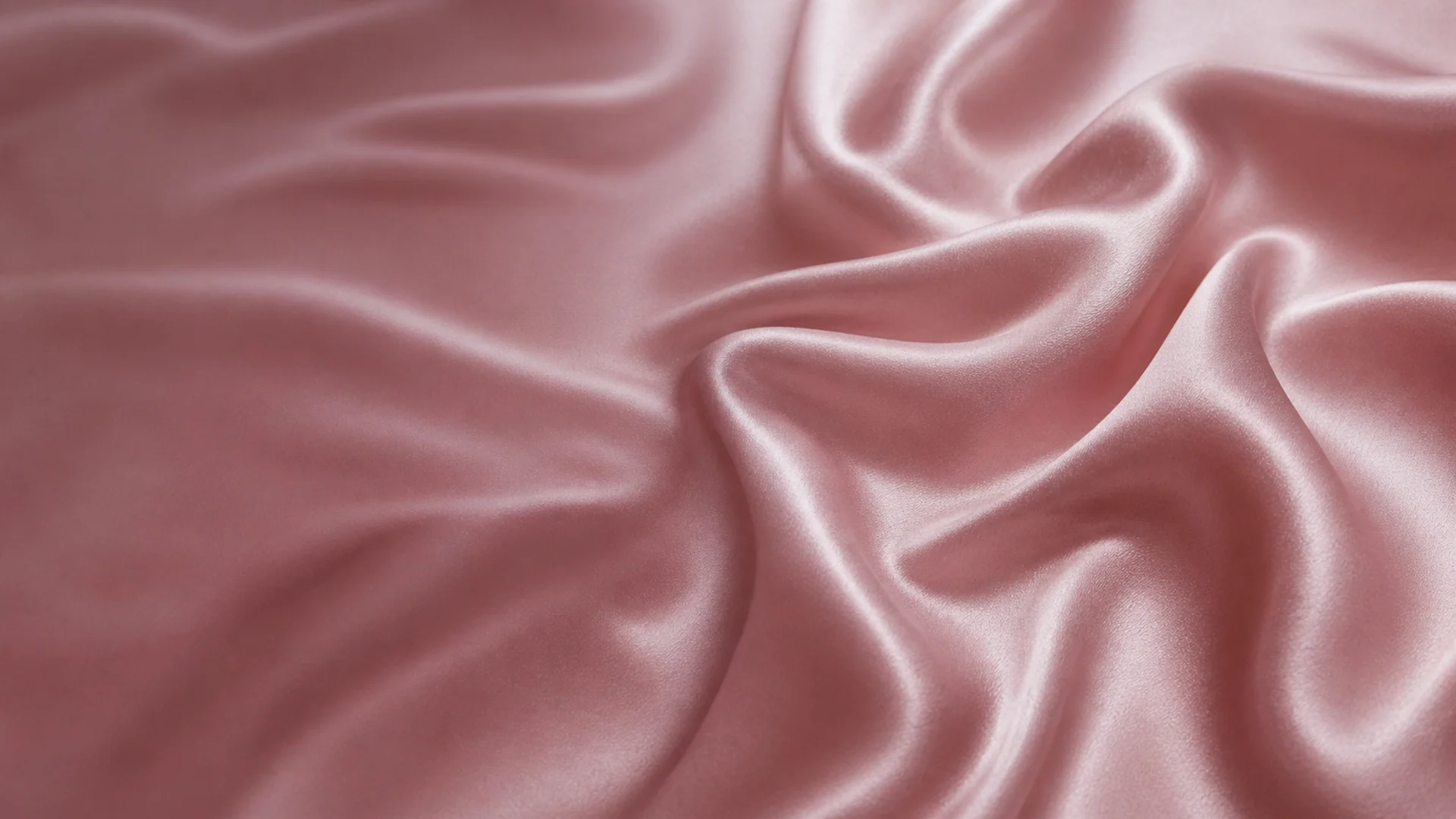
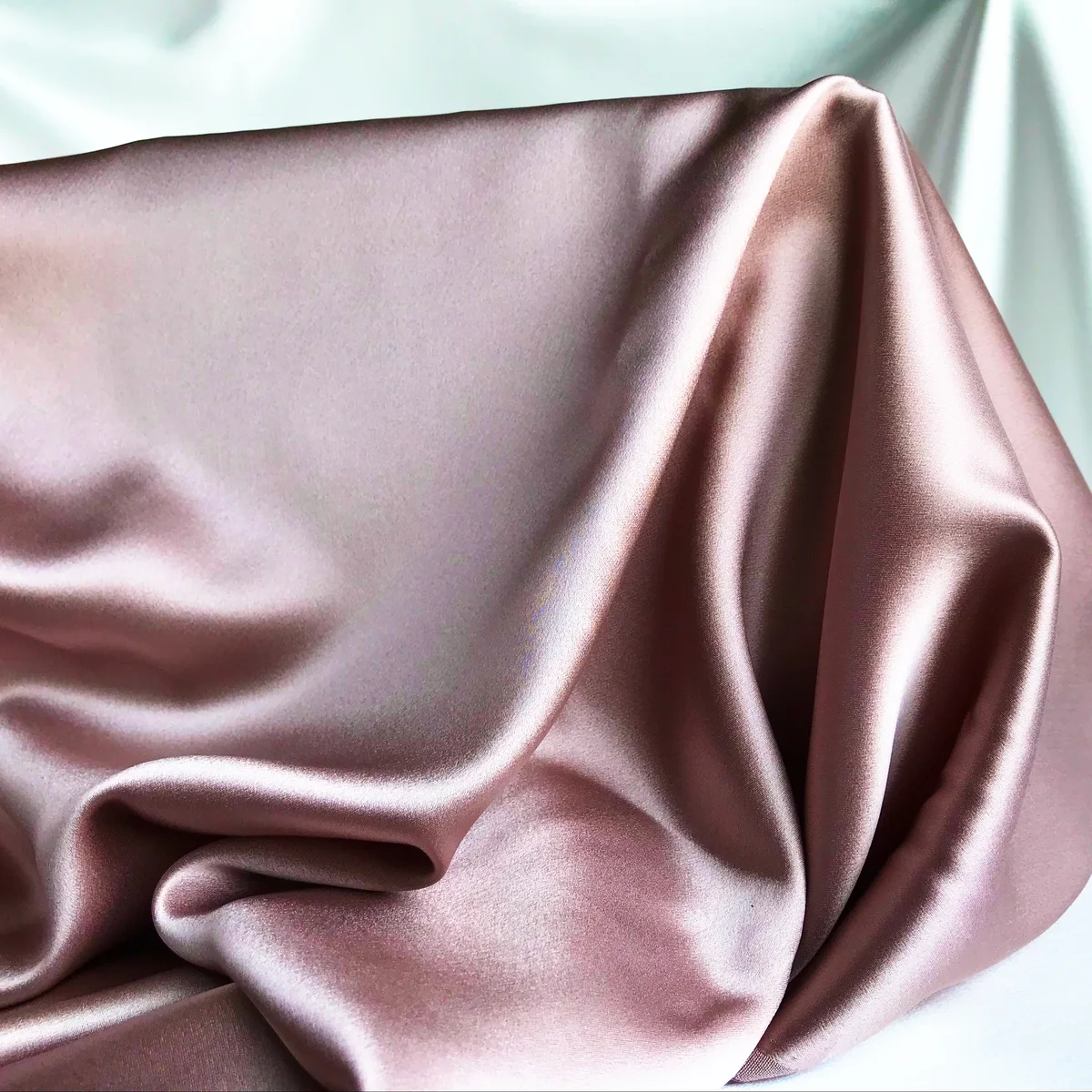
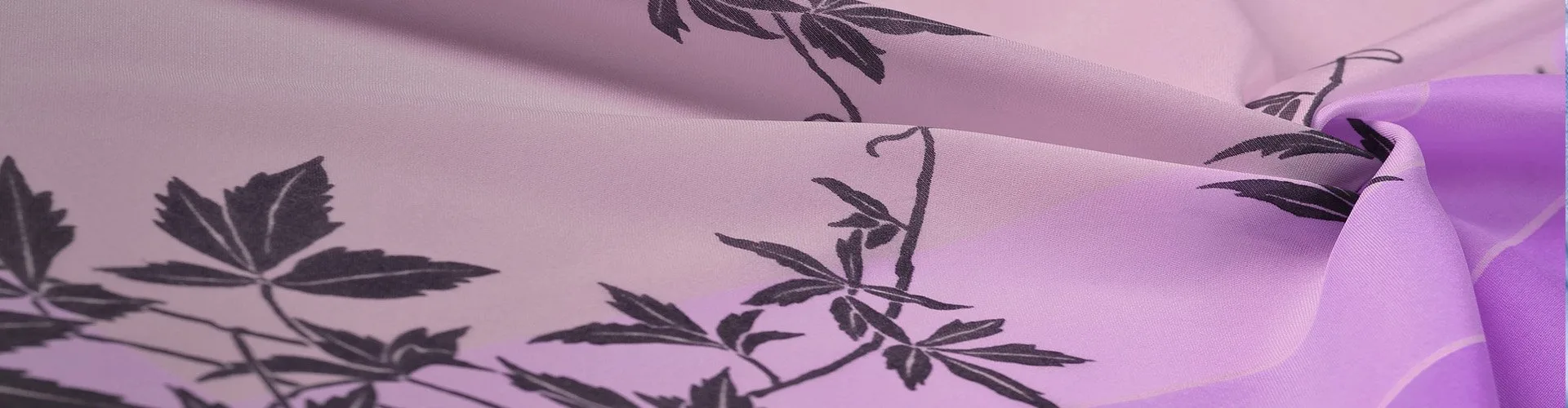
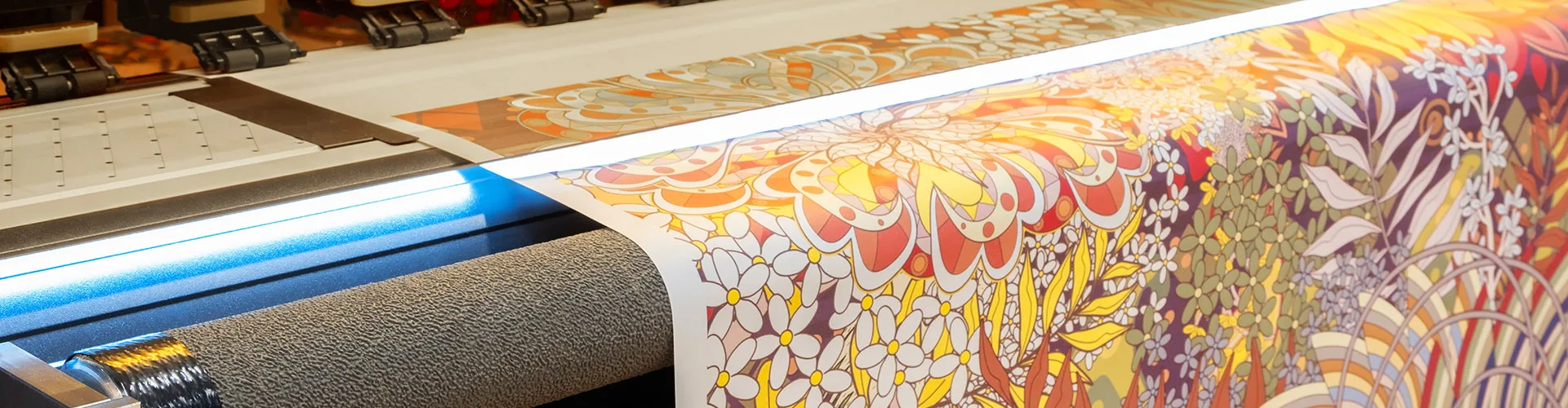
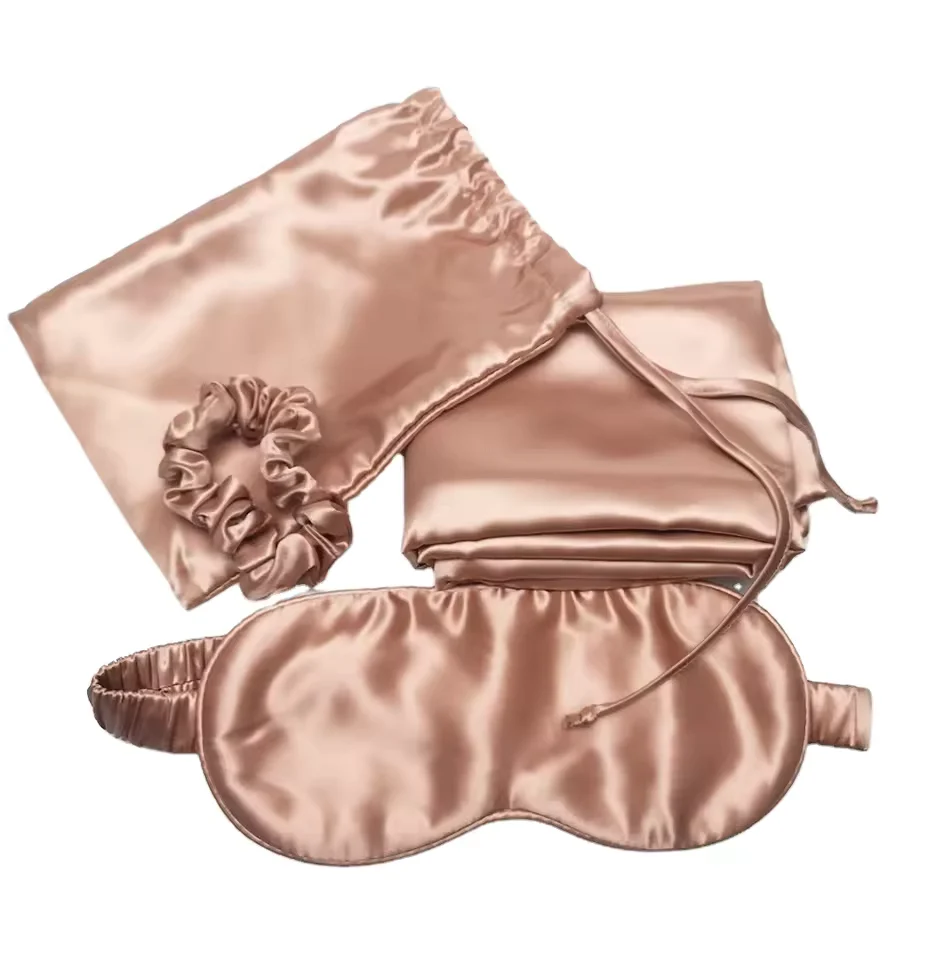
The visual library combines a finished product reference, a sample-review scene, a silk surface close-up, and a warm-toned development image. The named-sample ingredient report is presented separately in the evidence section.

The historical report records approximately 1,675.5 mg/kg of argan oil in a named silk crepe satin sample before washing. It does not establish retention after care or cover future orders, so current samples and lots require their own validation.

Argan-oil textile finish sampling

Argan-Oil Ingredient Analysis Report

Review the representative result page for the named silk sample. Select the report image to enlarge it.

Report 01

Test evidence

Independent reports

01

Hyaluronic acid + argan oil · 4-page report

Specified Ingredient Analysis

Specified ingredient analysis for a named silk crepe satin sample, recording hyaluronic-acid and argan-oil results before washing.

Issued by
Microspectrum Technology
Report no.
WPS-19125130-FX-01C1EnR1
Issued
January 3, 2020

Click a certificate to enlarge
Argan-Oil Finish Details To Approve

Confirm base fabric, formula, application route, handfeel, shade and odor limits, care evaluation, sample identity, lot connection, and product wording.

Finished Product Set

Finished Product Set

Use the existing pillowcase and accessory reference to define product mix, color, finish direction, care, branding, and packaging.

Coded Sample Review

Coded Sample Review

Compare identified product and swatch samples while recording finish direction, shade, handfeel, odor, care status, and approval date.

Fabric Surface Reference

Fabric Surface Reference

Review luster, drape, texture, shade, and handfeel on the selected silk before confirming the treated product standard.

Ingredient-Led Sampling

Ingredient-Led Sampling

Compare coded untreated and treated silk with a controlled formula, application route, handfeel target, shade, odor, and after-care plan.

Argan-Oil Finish And Approval Specification

Base material

Composition, construction, momme or GSM, usable width, color standard, existing finish status, intended product, and care route.

Finish system

Lock base silk, formula and application direction, treated and untreated sample codes, color, handfeel, odor, process conditions, and intended care cycle.

Approval and durability

Coded control and treated swatches, target handfeel and odor, product sample, intended-care result, retained reference, bulk tolerance, and release sign-off.

Evidence and wording

Record the named sample, analyte, result and units, test timing, method, report date, care status, retained reference, and connection to the production lot. Do not infer cosmetic, moisturizing, or skin benefits from ingredient presence alone. Any benefit or durability statement needs claim-specific, market-appropriate evidence.

Ingredient Evidence, Care, And Traceability Controls

Keep the named-sample result separate from retention claims and connect current swatches, product trials, lots, care results, and release wording.

Base And Finished Appearance

Lock base silk, formula and application direction, treated and untreated sample codes, color, handfeel, odor, process conditions, and intended care cycle.

Process And Lot Control

Use identified inputs, formula and machine records, application and curing checkpoints, lot and shade tracking, retained samples, and finished-goods inspection.

Claims And Evidence

Record the named sample, analyte, result and units, test timing, method, report date, care status, retained reference, and connection to the production lot. Do not infer cosmetic, moisturizing, or skin benefits from ingredient presence alone. Any benefit or durability statement needs claim-specific, market-appropriate evidence.

From Paired Swatches To Bulk Finish Control

01. Define The Base And Target

Confirm the exact fabric and product, target market, quantity, care route, finish or scent objective, intended wording, and required evidence.

02. Prepare Coded Variants

Create an untreated control and identified treated samples with formula direction, application conditions, color, handfeel, odor, and date recorded.

03. Evaluate Product And Care

Convert the selected finish into the intended product and compare appearance, surface, seams, odor, packing, and performance after the agreed care cycle.

04. Lock Bulk And Evidence

Connect the approved sample to the process sheet, production lot, inspection plan, retained reference, labels, packaging, reports, and release wording.

Product Programs For Argan-Oil Finishing

Develop beauty-sleep sets, silk accessories, and documented private-label programs from one approved formula, care route, and retained standard.

Beauty-Sleep Sets

Beauty-Sleep Sets

Build pillowcase, eye-mask, and scrunchie collections under one approved silk, finish, shade, care, traceability, and packaging standard.

Premium Silk Accessories

Premium Silk Accessories

Translate the finish direction into scarves and compact accessories after checking drape, odor, surface, seams, color, care, and labels.

Ingredient-Verified Programs

Ingredient-Verified Programs

Use named-sample analysis as one checkpoint inside a current sampling, durability, lot-release, and claim-approval plan.

Argan-Oil Textile Finishing Questions

Can you develop custom argan-oil textile finishing products?+

Yes. Start with the exact product, base fabric, color or artwork, quantity, care route, target market, finish or scent objective, intended wording, and required test or safety documents.

Does a historical report or reference cover a new order?+

No. It documents a particular sample, date, and scope. Current development should connect the approved sample and production lot to the intended care conditions, evidence requirements, and market wording.

What should be approved before bulk production?+

Approve the base fabric, coded finish sample, formula and process direction, product sample, care result, color and sensory standard, labels, packaging, inspection criteria, retained reference, and claim evidence.

Start a development brief

Start With A Measurable Finish Target And Care Plan

Provide base fabric, product, color, finish target, care method, market wording, test needs, packaging, quantity, and reference evidence.

EmailWhatsApp