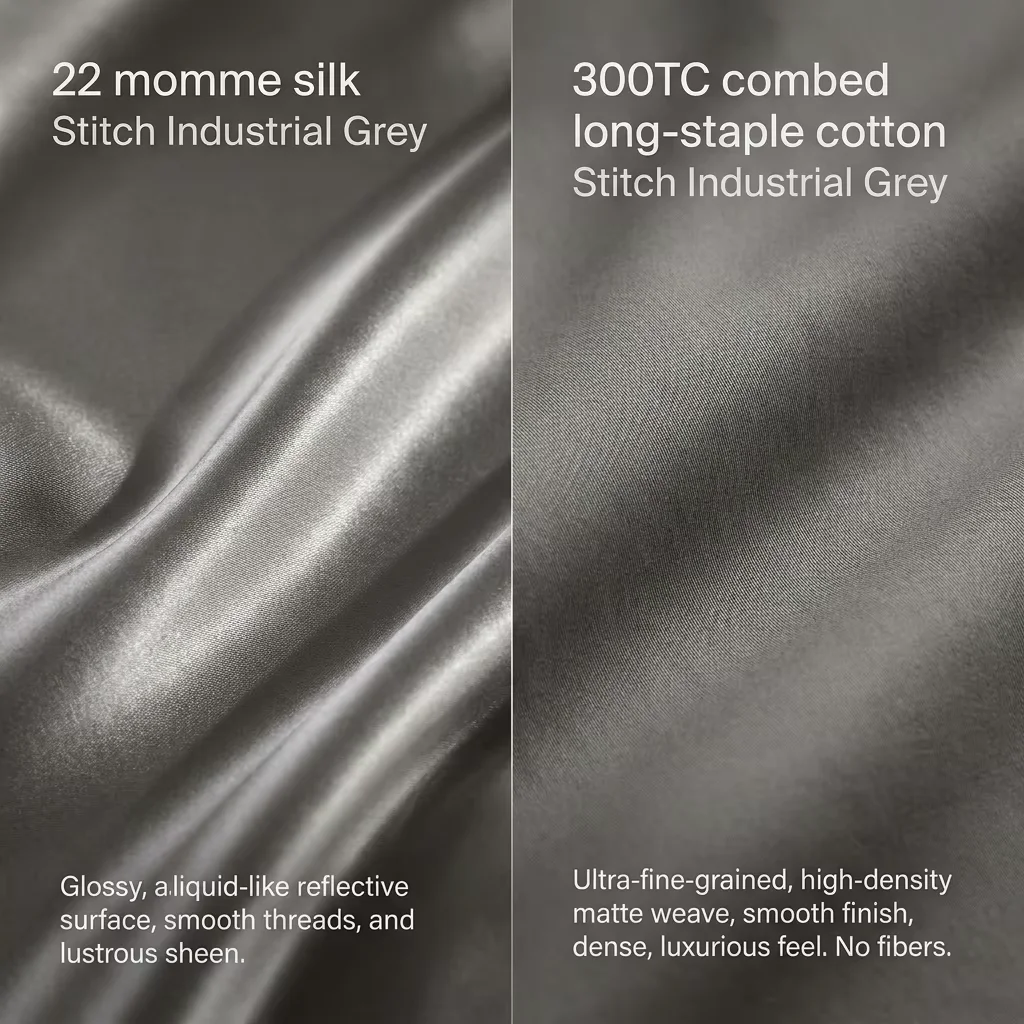
Silk Face With Cotton Reverse
Review the hybrid pillowcase construction, side identification, seam balance, shrinkage difference, label wording, color matching, and care route.

Develop cotton bedding, pillowcase, apparel, and blended textile programs around fiber quality, yarn and weave, credible thread-count data, GSM, shrinkage, colorfastness, care, and end-use performance.
Cotton covers many constructions, from percale and sateen bedding to poplin, twill, jersey, canvas, and blended materials. A usable brief must identify the exact construction rather than relying on the fiber name or thread count alone.
The available source material includes a silk-and-cotton hybrid pillowcase, a cotton bedding application, silk-cotton blend swatches, and a printed cotton direction. Together they support comparison, product sampling, and mixed-material development.
For claims such as long-staple, combed, organic, or a stated thread count, connect the wording to supplier documentation and the actual production quality. Approve shrinkage, handfeel, surface, and finished dimensions after the intended care cycle.

Composition
State 100% cotton or every blend fiber and percentage; document long-staple, combed, organic, or similar claims.
Construction and finish
Confirm yarn and weave, GSM, usable width, thread-count method where used, shrinkage, pilling, colorfastness, and care.
Color or print approval
Provide a physical color reference or artwork, approve a lab dip or strike-off, and review the result after final finishing and intended care.
Bulk release
Keep the approved swatch and product sample, lot and shade references, inspection standard, test plan, care label, packing method, and repeat-order tolerance.
Approve yarn, weave or knit, weight, width, color, finish, care, and trial-product behavior before releasing bulk fabric.
Review the hybrid pillowcase construction, side identification, seam balance, shrinkage difference, label wording, color matching, and care route.
Evaluate weave, softness, breathability, opacity, large-panel appearance, finished size, and laundering for bedding programs.
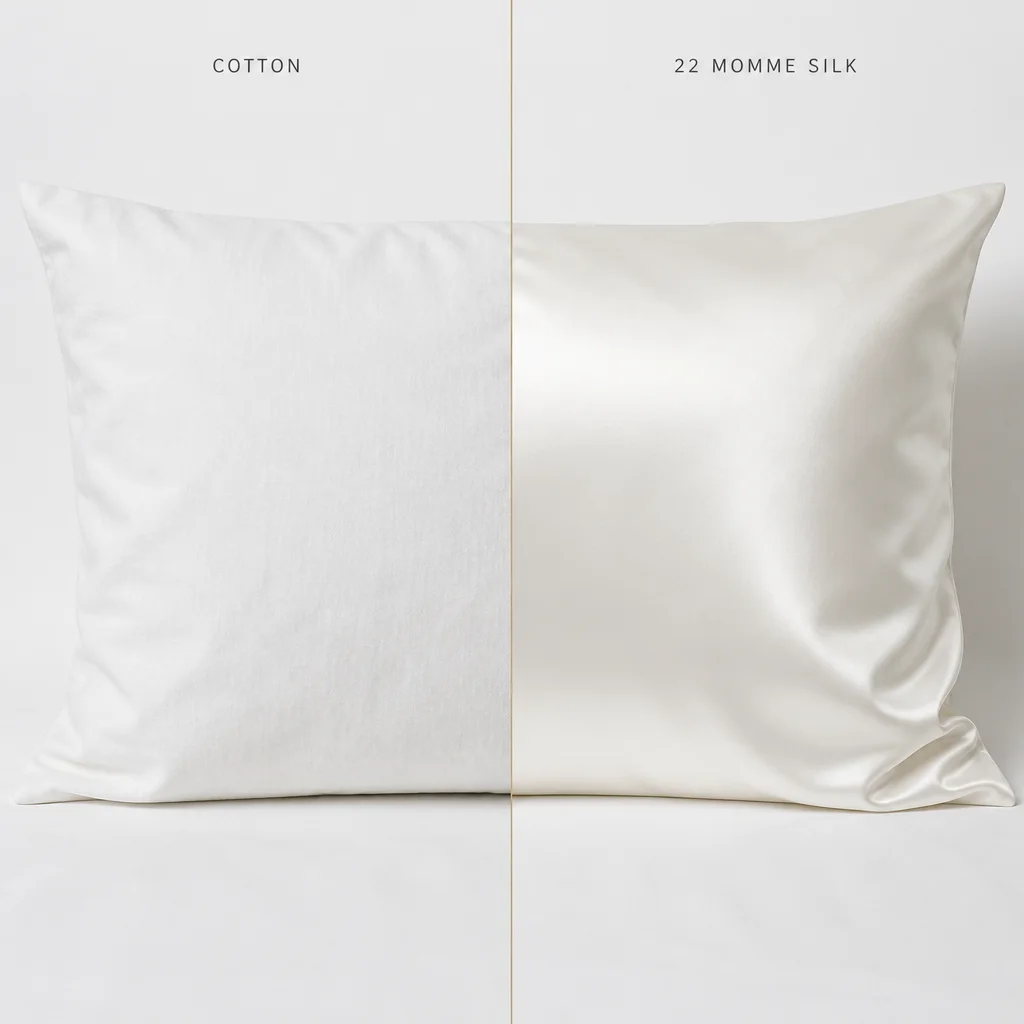
Use the side-by-side material view to discuss matte cotton and lustrous silk, then confirm fiber content, construction, shrinkage, handfeel, and care.
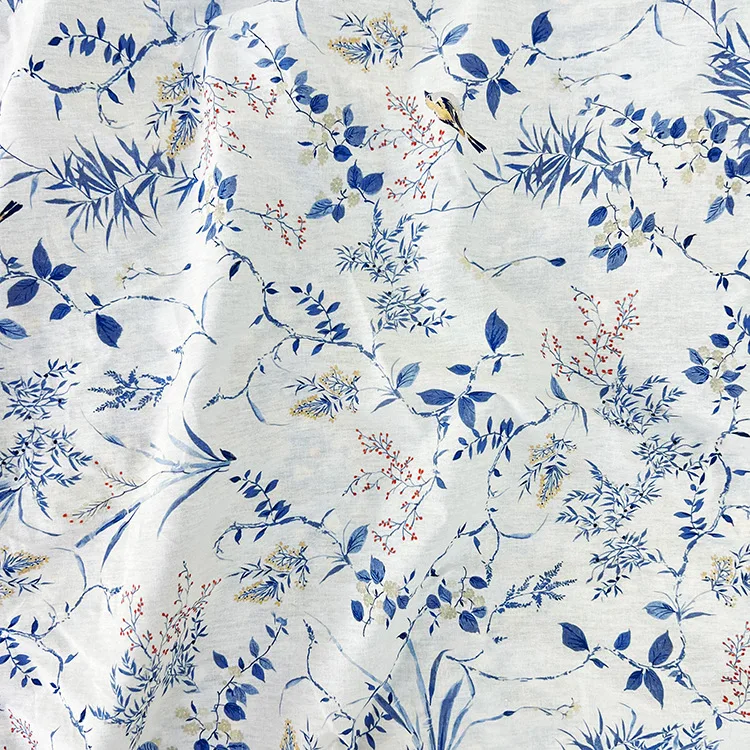
Match the cotton construction to artwork detail, ink chemistry, penetration, handfeel, fastness, and the target end product.
Confirm the finished product, target market, quantity, price direction, care route, color or artwork, and required claims before choosing the construction.
Compare coded physical swatches with complete composition, construction, weight, usable width, finish, supplier reference, and test requirements.
Cut, sew, finish, and care-test the intended product so drape, opacity, seams, shrinkage, surface, and packing can be approved together.
Connect the approved swatch and sample to roll identity, shade grouping, process notes, inspection, test evidence, labels, and retained references.
Connect supplier documents, retained swatches, width and weight checks, shrinkage, fastness, pilling, shade, and product trials.
State 100% cotton or every blend fiber and percentage; document long-staple, combed, organic, or similar claims.
Confirm yarn and weave, GSM, usable width, thread-count method where used, shrinkage, pilling, colorfastness, and care.
Thread count does not replace construction, yarn quality, finished weight, handfeel, or after-care testing.
Develop bedding, pillowcases, apparel, accessories, linings, and hybrid silk-cotton constructions.
Combine a silk sleep surface with a cotton reverse under one approved construction, shrinkage, label, and care standard.
Develop coordinated sheets, duvet covers, and pillowcases with controlled dimensions, shade, pilling, and laundering.
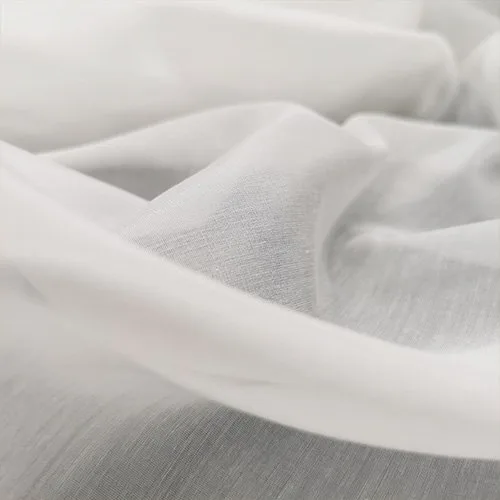
Extend cotton into artwork-led or silk-blended apparel, accessories, bedding, and seasonal ranges.
Yes. Start with the exact end product, target market, quantity, composition direction, construction, color or artwork, performance needs, care route, branding, and packaging.
No. Thread count does not replace construction, yarn quality, finished weight, handfeel, or after-care testing. Final labeling should follow verified composition documents and target-market requirements.
Approve the coded fabric swatch, color or print standard, cut-and-sew sample, care result, specifications, labels, packaging, inspection criteria, and any claim evidence required for the order.
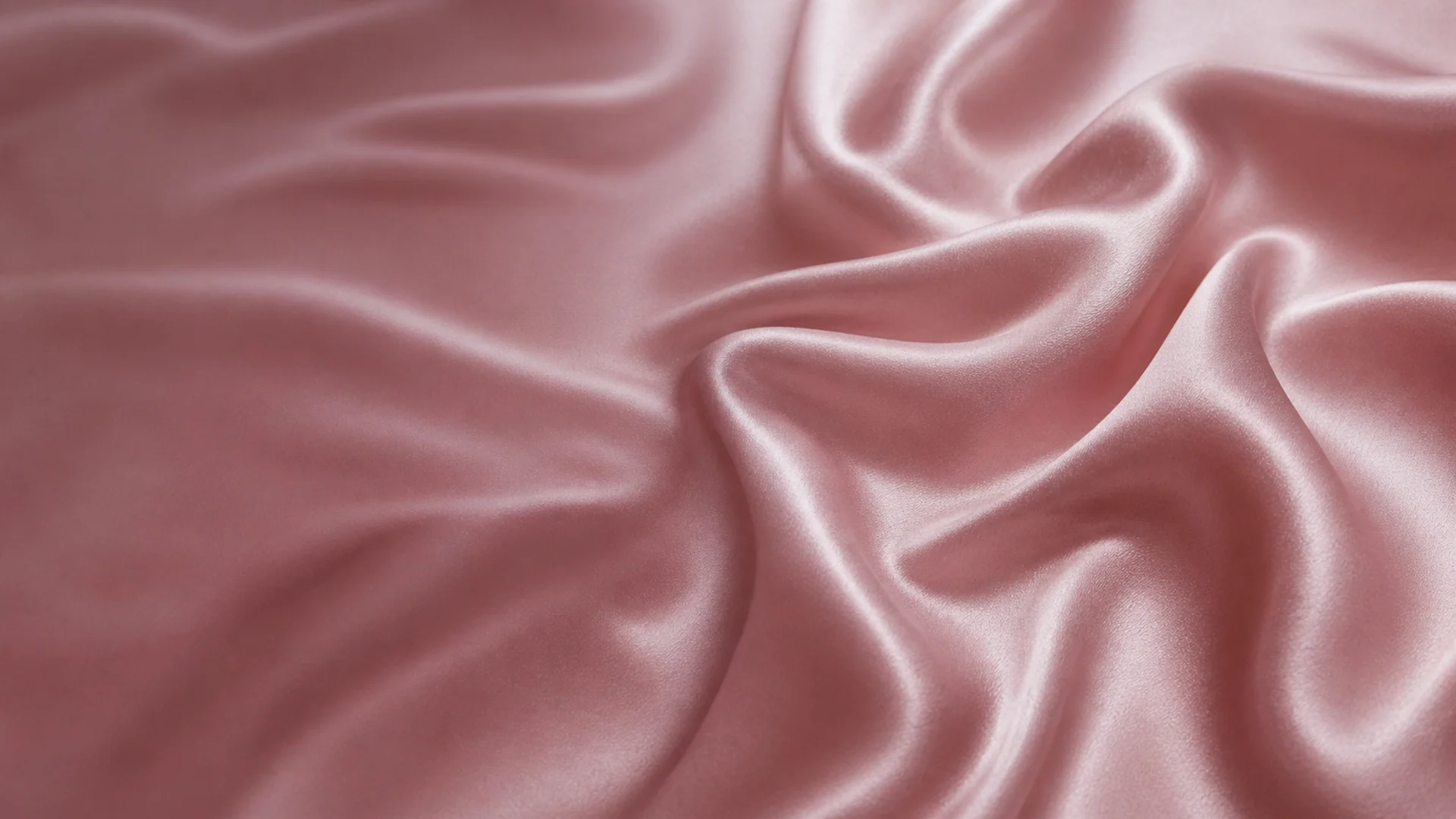
Pure silk constructions selected by weave, momme, width, drape, opacity, printing behavior, sewing performance, and end use.
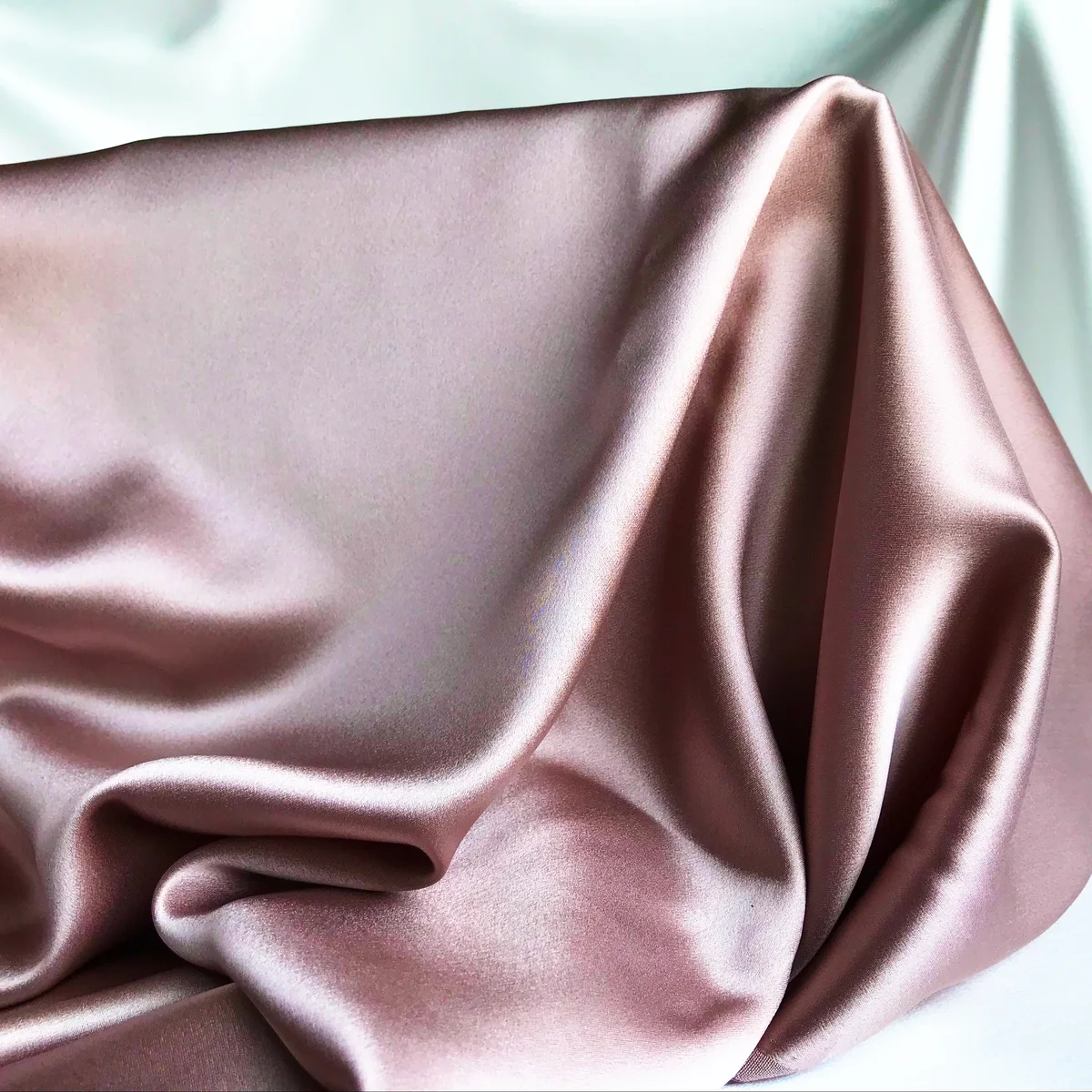
Core silk fabric supply for swatch review, sampling, and bulk material planning.
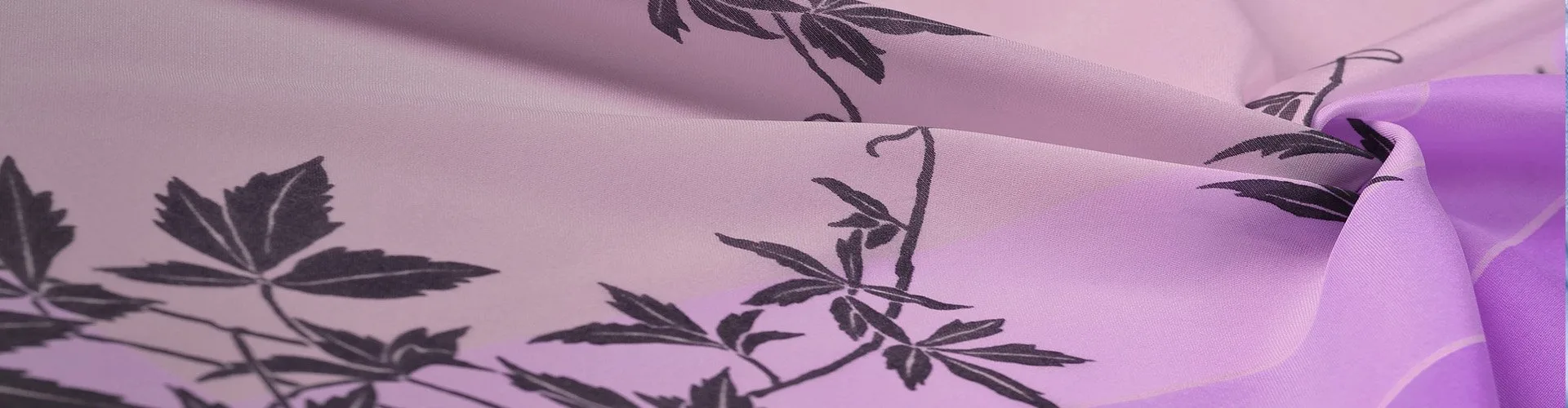
Bamboo-derived and silk–bamboo materials specified by exact composition, weave, GSM, shrinkage, pilling, care, and claim evidence.
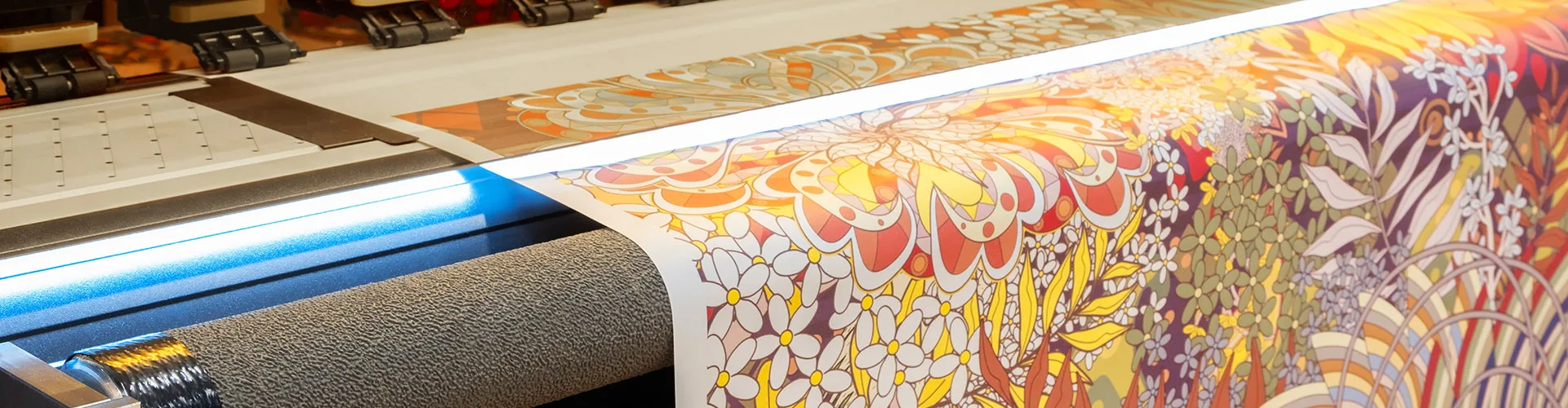
Printing and finishing programs developed around fiber chemistry, artwork, color approval, handfeel, fastness, care, and supported claims.
Start a development brief
Send fiber direction, yarn, weave, GSM, width, color, finish, care, tests, end product, quantity, and target price.