Additional Specialty Textile Finishes

Additional Specialty Textile Finishes

Explore softening, pre-shrink, anti-static, anti-slip, seam-support, cosmetic-oriented, sensory, and buyer-owned finish directions through controlled sampling and evidence-led approval.

Contact Teamarrow_forward

Choose A Finish By The Product Problem It Must Solve

A finish name is only a starting point. The brief should define the base fabric, product, target change, application route, acceptable effect on shade and handfeel, care durability, safety needs, and exact intended wording.

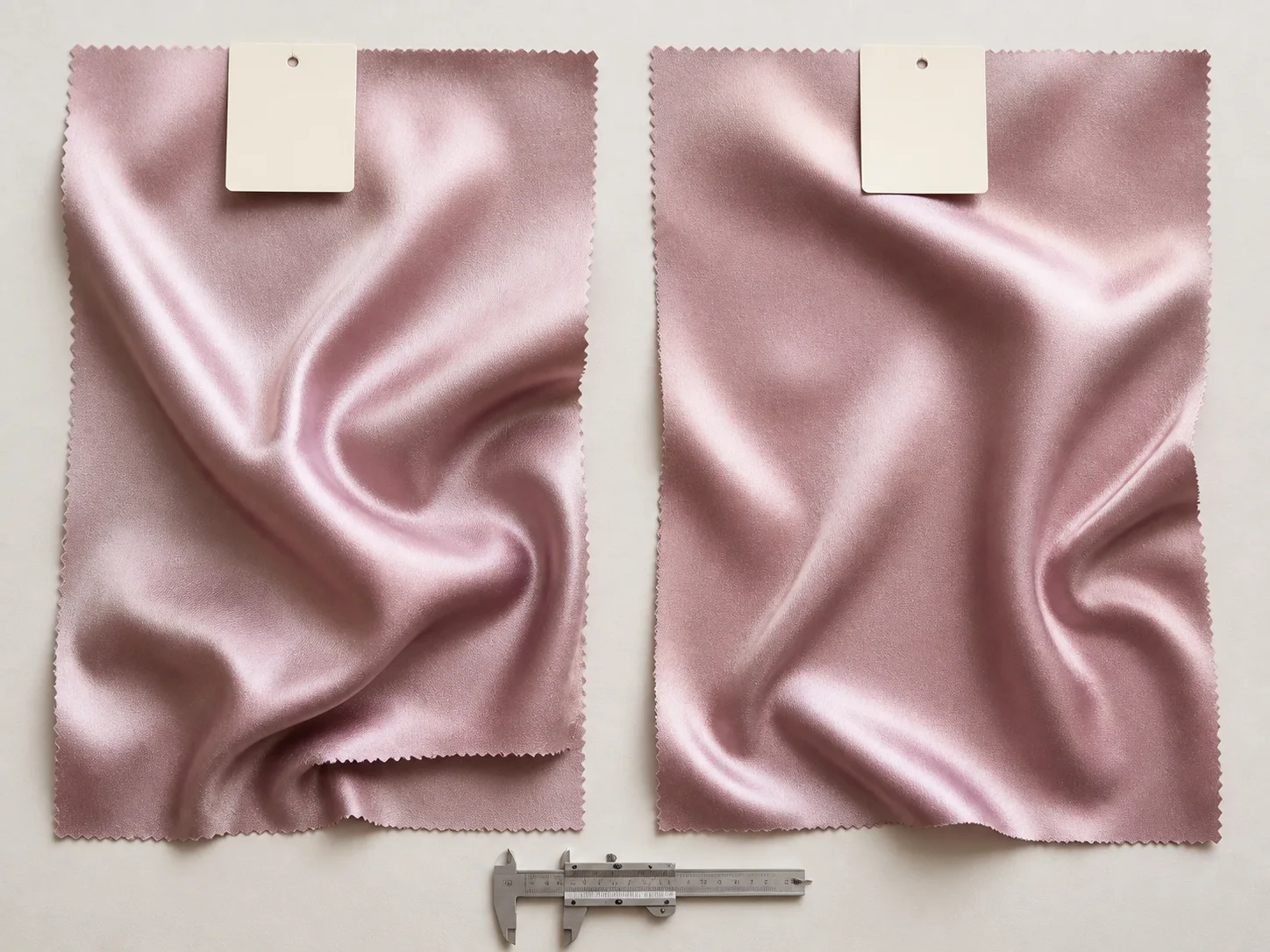
Coded untreated and treated swatches make it possible to compare surface, odor, color, drape, friction, dimensional behavior, and performance before converting the finish into a product sample.

Bulk approval connects the selected formula and process to the production lot, retained reference, inspection plan, test scope, labels, packaging, and release copy.

Specialty textile finish development options

Finish, Process, And Evidence Decisions

Define the target result and validation plan before selecting chemistry or writing product claims.

Untreated Control And Target Result

Untreated Control And Target Result

Define the product problem, substrate, baseline control, target change, intended claim, acceptance method, and limits before selecting finish chemistry.
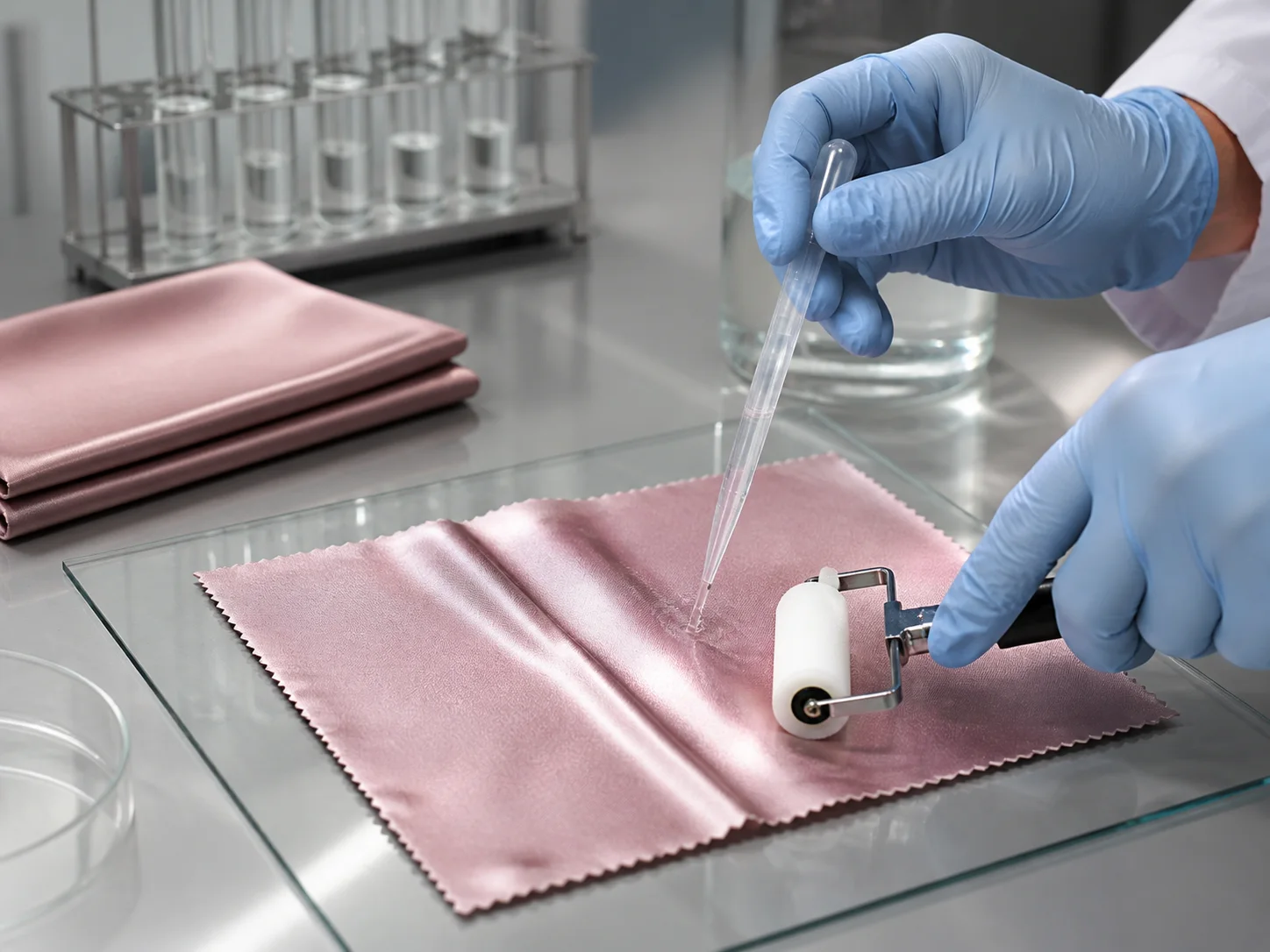
Application Route And Process Window

Application Route And Process Window

Trial concentration, add-on, application method, drying or curing conditions, fabric compatibility, handfeel, shade, and production repeatability.
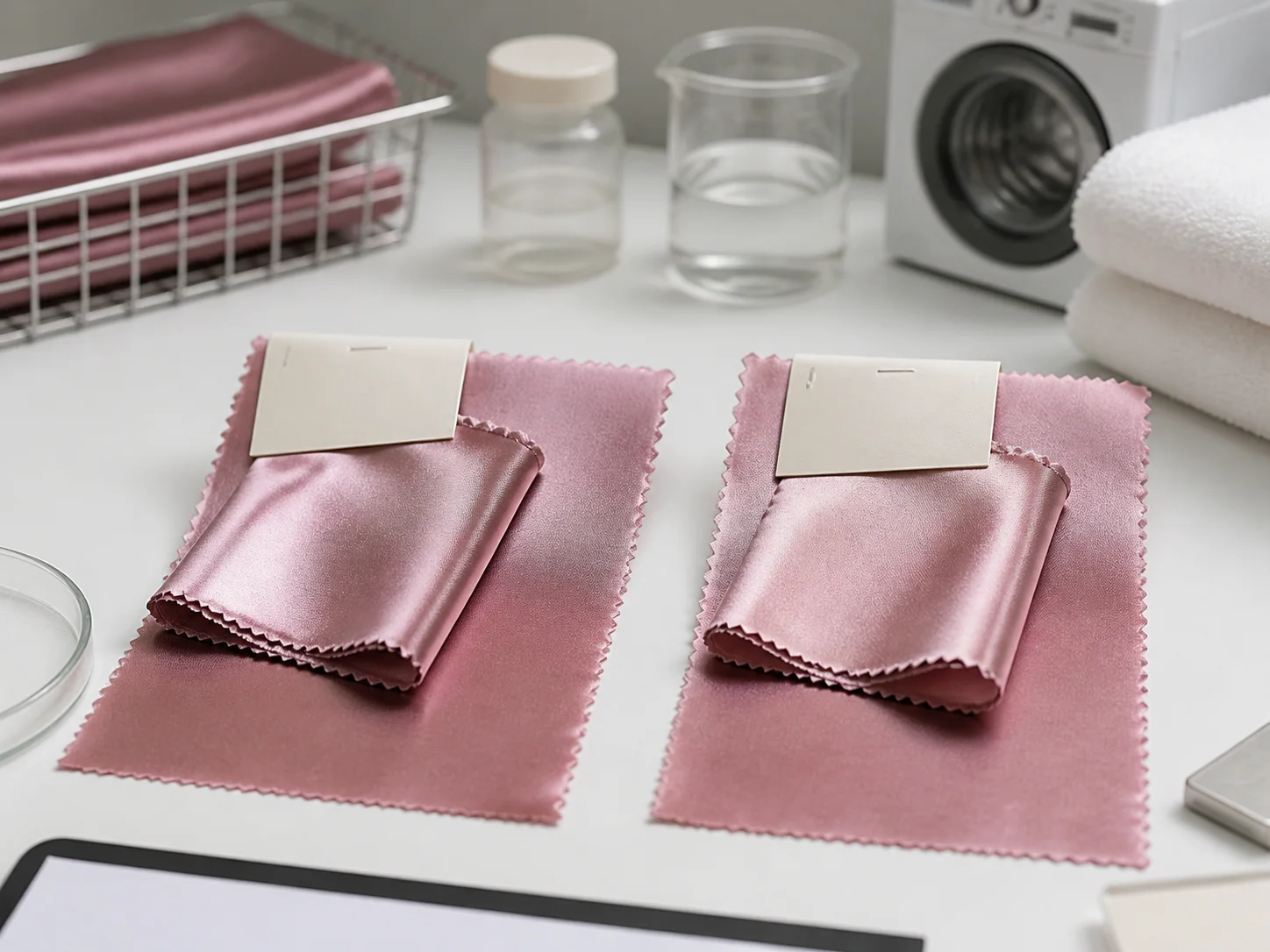
Care-Cycle Durability And Evidence

Care-Cycle Durability And Evidence

Compare treated and untreated samples after the agreed care cycles, using buyer-approved tests and current order-specific evidence for any claim.
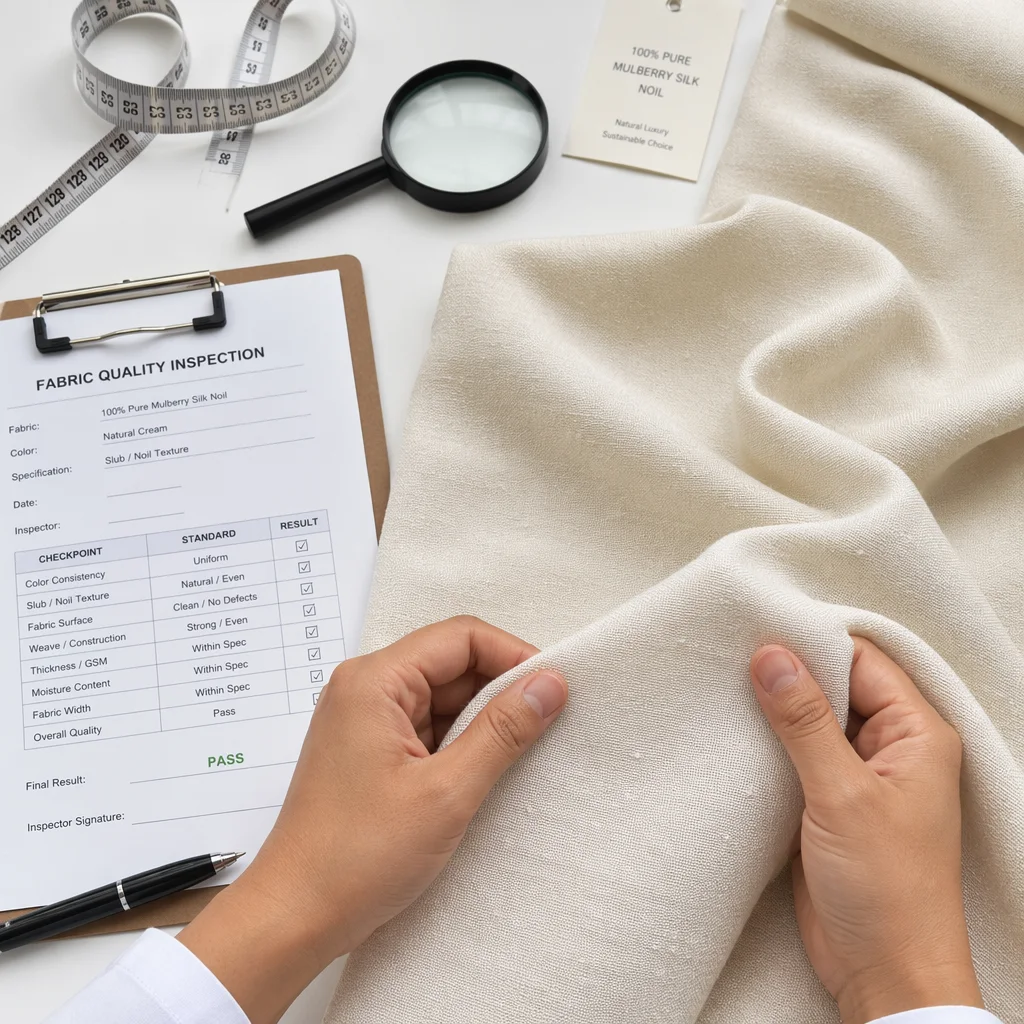
Product Conversion And Bulk Standard

Product Conversion And Bulk Standard

Confirm sewing, contact-surface behavior, packaging interaction, lot coding, retained samples, inspection points, and release criteria on the finished product.

Specialty Finish Development Specification

Material review

Confirm composition, weight, handfeel, sheen, drape, color, finish, and end-use behavior.

Sampling focus

Swatches and trial development help match the fabric to pillowcases, sleepwear, masks, bonnets, scarves, or bedding.

Bulk control

Batch management covers color standard, fabric surface, shrinkage direction, finish consistency, and packing labels.

Buyer support

Suitable for brands comparing silk, bamboo, specialty finishes, and blended material options before product sampling.

From Untreated Control To Bulk Finish Standard

01. Requirement review

Confirm the target use, composition direction, finish needs, color references, and testing expectations for additional specialty textile finishes.

02. Swatch and sample match

Prepare swatches or trial material references so the buyer can compare handfeel, color, sheen, drape, and product suitability.

03. Bulk batch control

Lock the approved standard, manage shade and finish consistency, then prepare packing labels and export-ready material documentation.

04. Product conversion support

Connect the selected fabric direction with sleepwear, bedding, sleep mask, bonnet, scarf, or accessory production requirements.

Formula, Process, Care, And Claim Controls

Retain coded standards and connect inputs, process records, care results, tests, lots, labels, and approved wording.

Incoming standard

Composition, weight, surface, shade, handfeel, and finish consistency.

Process control

Production notes for additional specialty textile finishes are translated into checkpoints that operators and QC teams can follow consistently.

Finished-goods review

Swatch approval, bulk batch tracking, packing label accuracy, and end-use compatibility.

Programs For Additional Textile Finishes

Evaluate finish directions for bedding, sleepwear, masks, scarves, accessories, hospitality textiles, and buyer-owned product concepts.

Handfeel And Surface Programs

Handfeel And Surface Programs

Evaluate softening, anti-slip, anti-static, seam-support, and other surface directions through treated-versus-control samples and product trials.

Care-Durability Programs

Care-Durability Programs

Set the intended wash or care route first, then verify retained performance, shade, handfeel, and fabric integrity after agreed cycles.
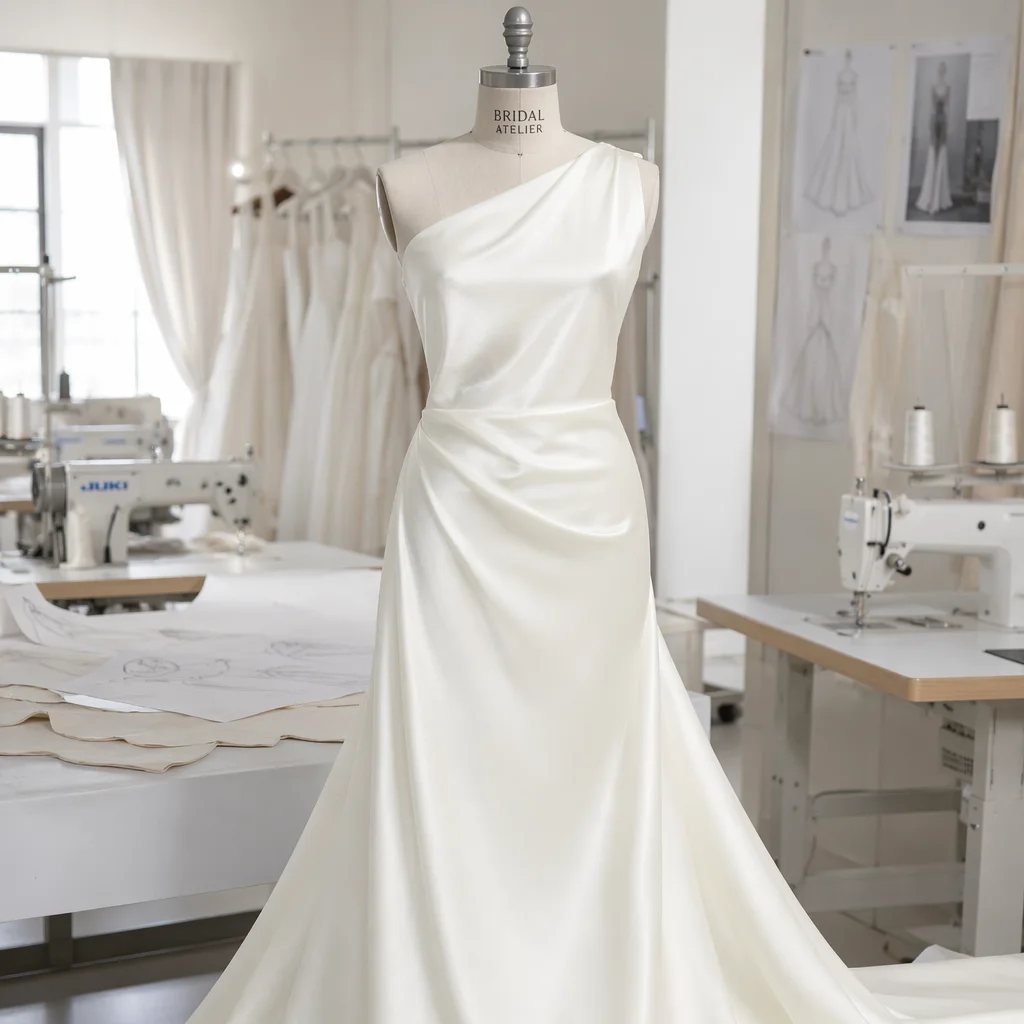
Buyer-Owned Finish Development

Buyer-Owned Finish Development

Review the buyer target, substrate, application constraints, evidence plan, claim language, product conversion, and repeat-lot release standard together.
Specialty Textile Finish Questions

Can you customize additional specialty textile finishes for private-label orders?+

Yes. Fabric programs can be discussed around material type, finish, color direction, end-use application, swatch review, and product sampling needs.

How do you keep bulk production consistent?+

We use approved samples, material standards, process sheets, in-line inspection, finished-goods review, packaging checks, and batch-level production control.

What information should buyers prepare before inquiry?+

Helpful details include target market, quantity, material preference, size or specification, color direction, logo method, packaging format, and any reference sample or artwork.

Start a development brief

Bring The Product Problem—Then Define The Finish And Proof

Send base fabric, product, target result, care route, market, intended wording, test needs, quantity, safety requirements, and any existing formula.

EmailWhatsApp