
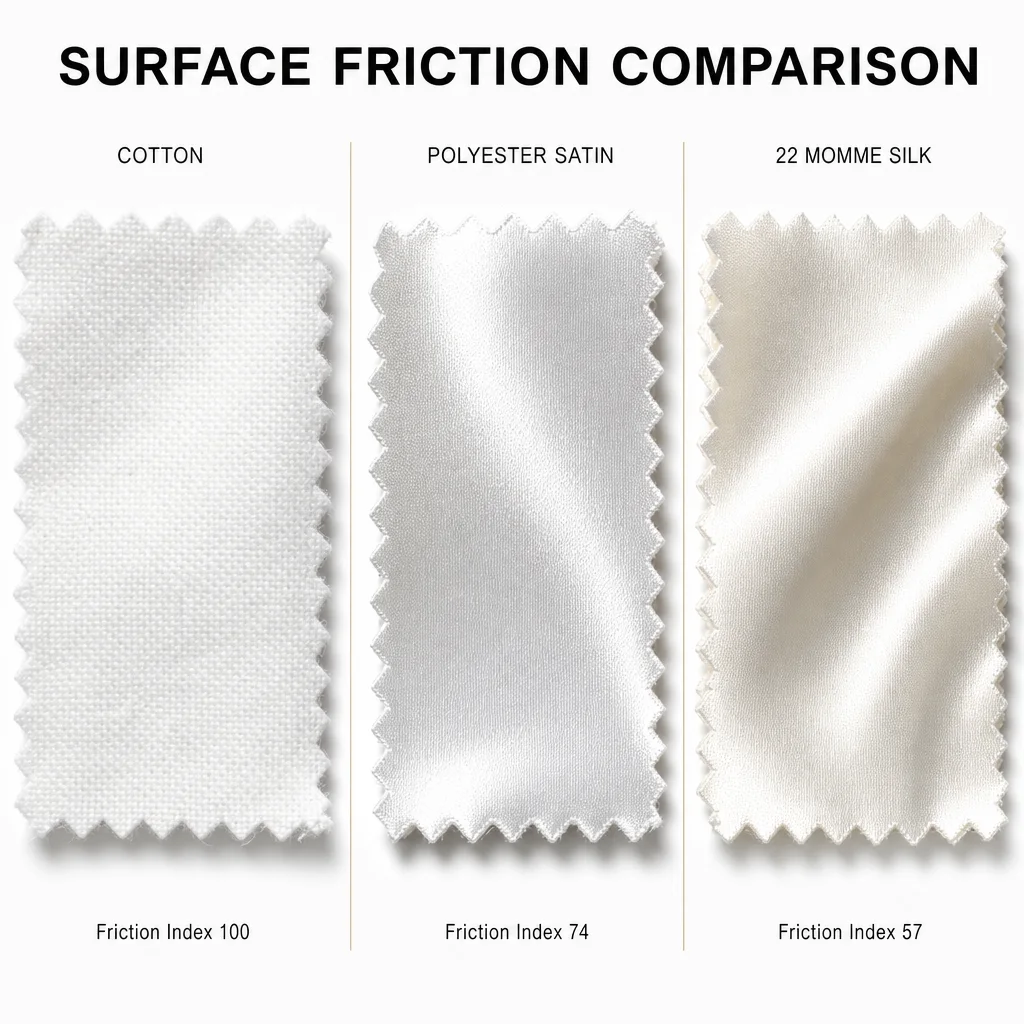
Cotton, Polyester Satin And Silk
Use the side-by-side swatches to explain visible surface differences, then confirm composition and test real friction, static, care, and durability.
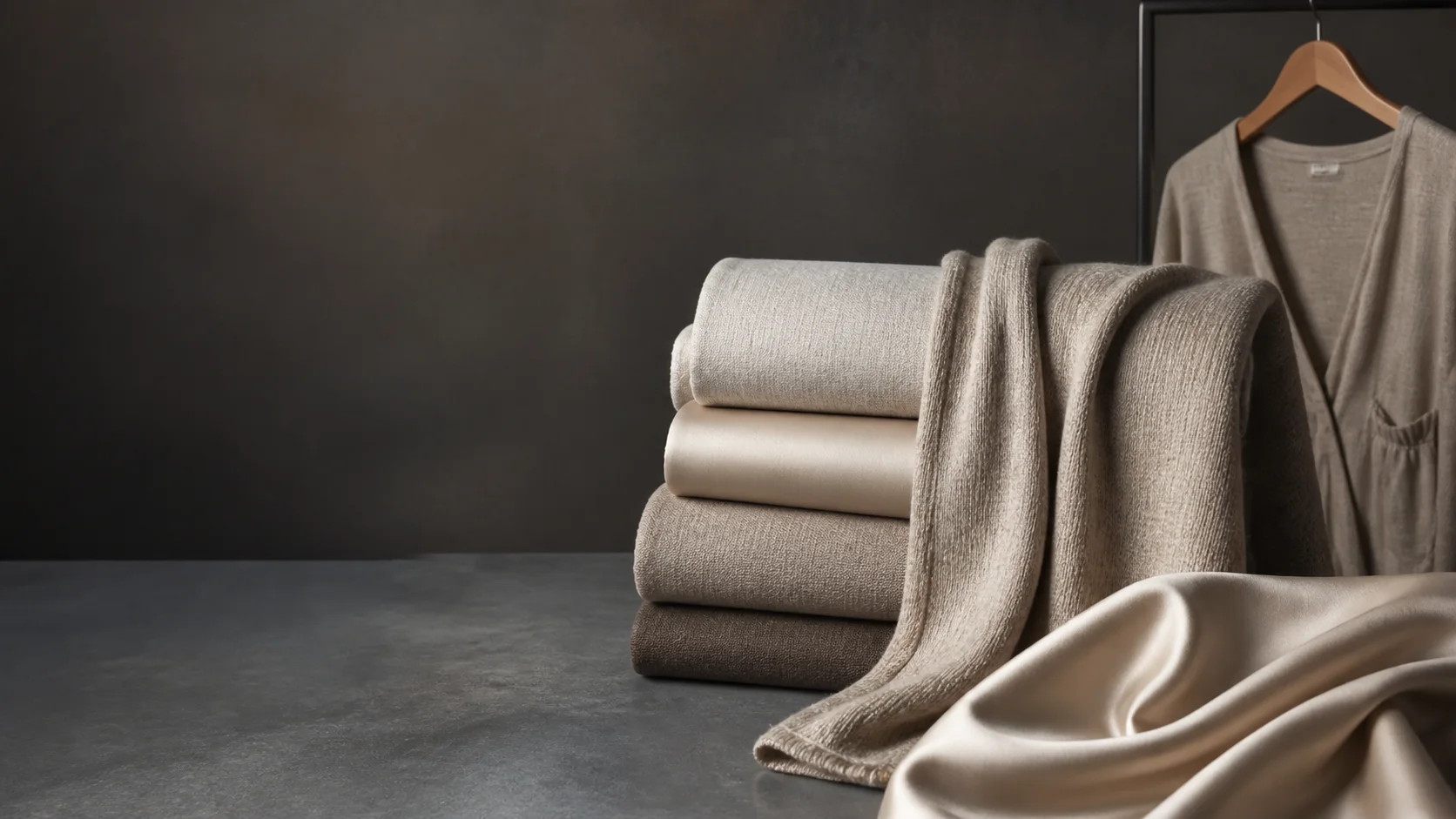
Develop polyester satin, woven, knit, and silk-polyester programs around construction, weight, luster, drape, recovery, static, pilling, heat response, colorfastness, care, and target cost.
Polyester can be engineered into very different surfaces, including matte technical wovens, soft knits, crepes, and satin constructions. “Polyester fabric” or “satin” alone is not enough to predict drape, breathability, heat response, static, pilling, or product performance.
The available material library includes a cotton–polyester satin–silk comparison, a loungewear reference, a silk-polyester blend swatch, and an imitation-satin option within the existing material board. These assets now support clearer product and price-tier discussions.
Development should match the construction to the end use and decoration route. Heat-transfer printing, pressing, pleating, lamination, or functional finishes each require defined temperatures, testing, and an approved sample before bulk release.
Composition
State 100% polyester or every blend fiber and percentage; identify recycled content only when the order documentation supports it.
Construction and finish
Confirm construction, GSM, width, luster, static, pilling, abrasion, heat response, colorfastness, dimensional stability, and care.
Color or print approval
Provide a physical color reference or artwork, approve a lab dip or strike-off, and review the result after final finishing and intended care.
Bulk release
Keep the approved swatch and product sample, lot and shade references, inspection standard, test plan, care label, packing method, and repeat-order tolerance.
Approve the exact fabric through composition review, swatches, color or print trials, care testing, and finished-product conversion.
Use the side-by-side swatches to explain visible surface differences, then confirm composition and test real friction, static, care, and durability.

Review knit or woven construction, stretch, recovery, opacity, seam behavior, pilling, colorfastness, and wearer comfort.

Specify fiber ratio and structure to balance luster, strength, crease recovery, care, heat response, and target cost.
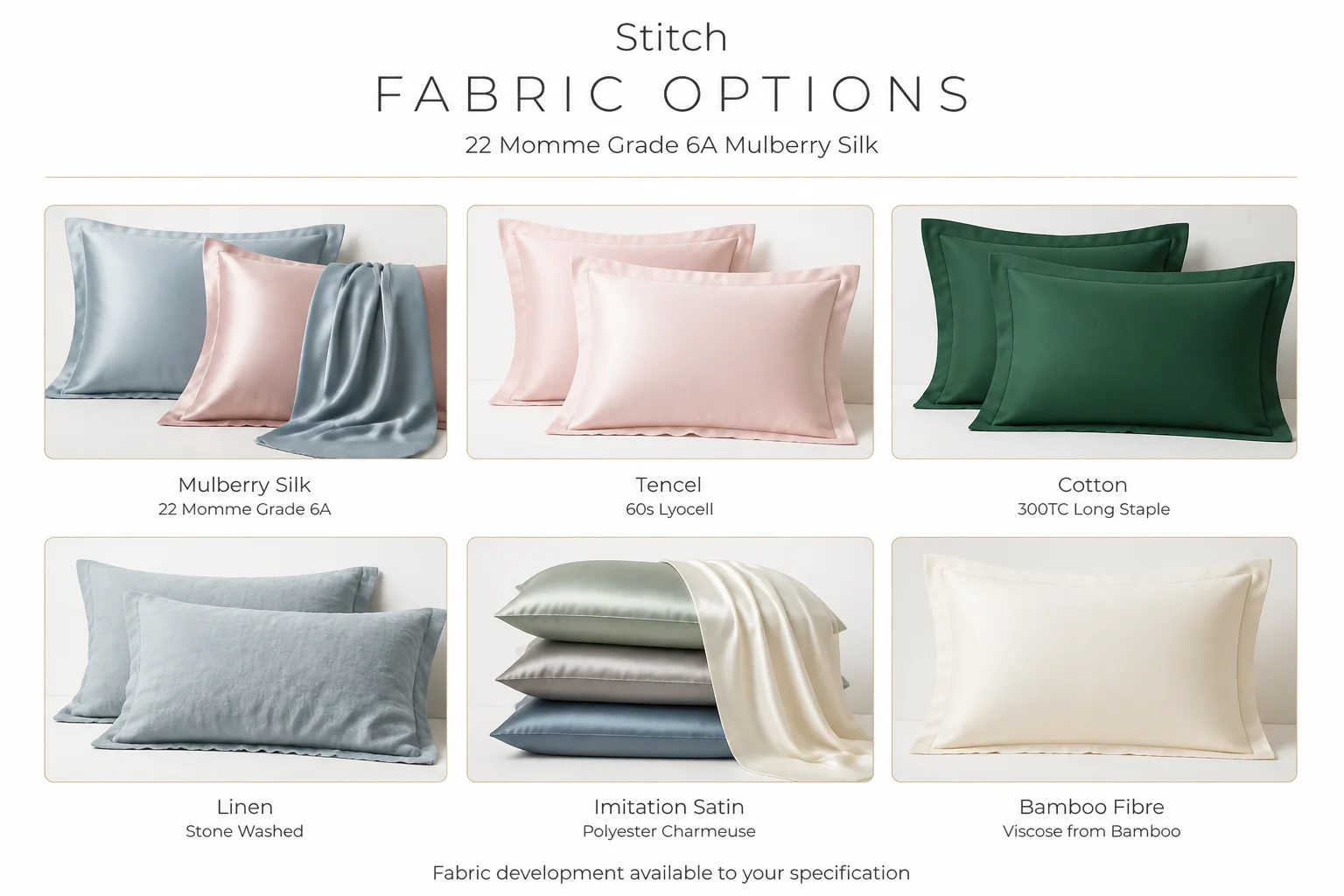
Compare polyester charmeuse with silk, lyocell, cotton, linen, and bamboo-derived alternatives without presenting satin as a fiber.
Confirm the finished product, target market, quantity, price direction, care route, color or artwork, and required claims before choosing the construction.
Compare coded physical swatches with complete composition, construction, weight, usable width, finish, supplier reference, and test requirements.
Cut, sew, finish, and care-test the intended product so drape, opacity, seams, shrinkage, surface, and packing can be approved together.
Connect the approved swatch and sample to roll identity, shade grouping, process notes, inspection, test evidence, labels, and retained references.
Connect declarations, retained swatches, shade, weight, width, surface, heat response, pilling, care, and product-trial results.
State 100% polyester or every blend fiber and percentage; identify recycled content only when the order documentation supports it.
Confirm construction, GSM, width, luster, static, pilling, abrasion, heat response, colorfastness, dimensional stability, and care.
Satin is a weave, not a fiber. State polyester satin, silk satin, or another exact composition clearly.
Develop satin accessories, sleep products, apparel, linings, blends, promotional ranges, and cost-balanced private-label programs.
Develop pillowcases, masks, accessories, or gift sets with controlled luster, static, pilling, seam strength, and truthful labeling.
Match knit or woven construction to stretch, recovery, opacity, drape, heat setting, care, and retail price.
Use a documented silk-polyester blend when strength, recovery, care, appearance, and cost need to be balanced.
Yes. Start with the exact end product, target market, quantity, composition direction, construction, color or artwork, performance needs, care route, branding, and packaging.
No. Satin is a weave, not a fiber. State polyester satin, silk satin, or another exact composition clearly. Final labeling should follow verified composition documents and target-market requirements.
Approve the coded fabric swatch, color or print standard, cut-and-sew sample, care result, specifications, labels, packaging, inspection criteria, and any claim evidence required for the order.
Pure silk constructions selected by weave, momme, width, drape, opacity, printing behavior, sewing performance, and end use.
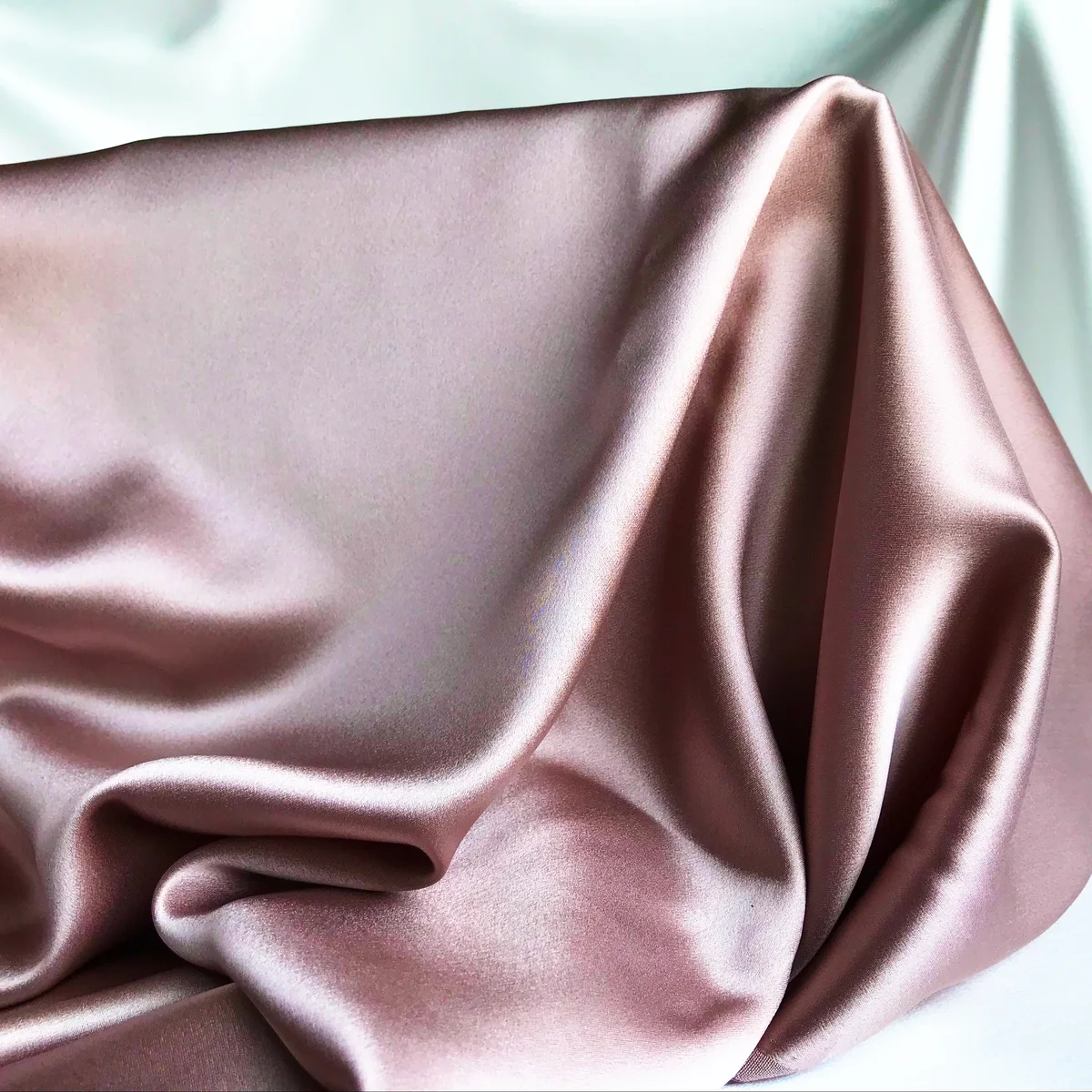
Core silk fabric supply for swatch review, sampling, and bulk material planning.
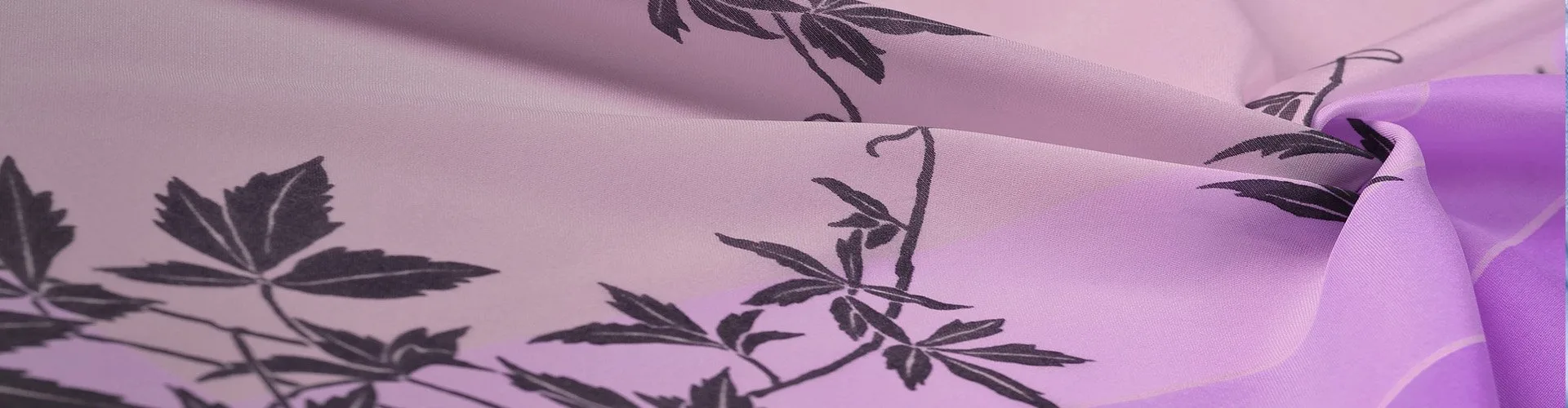
Bamboo-derived and silk–bamboo materials specified by exact composition, weave, GSM, shrinkage, pilling, care, and claim evidence.

Printing and finishing programs developed around fiber chemistry, artwork, color approval, handfeel, fastness, care, and supported claims.
Start a development brief
Send composition, weave or knit, GSM, width, surface, color or print, care, tests, product, quantity, and target price.