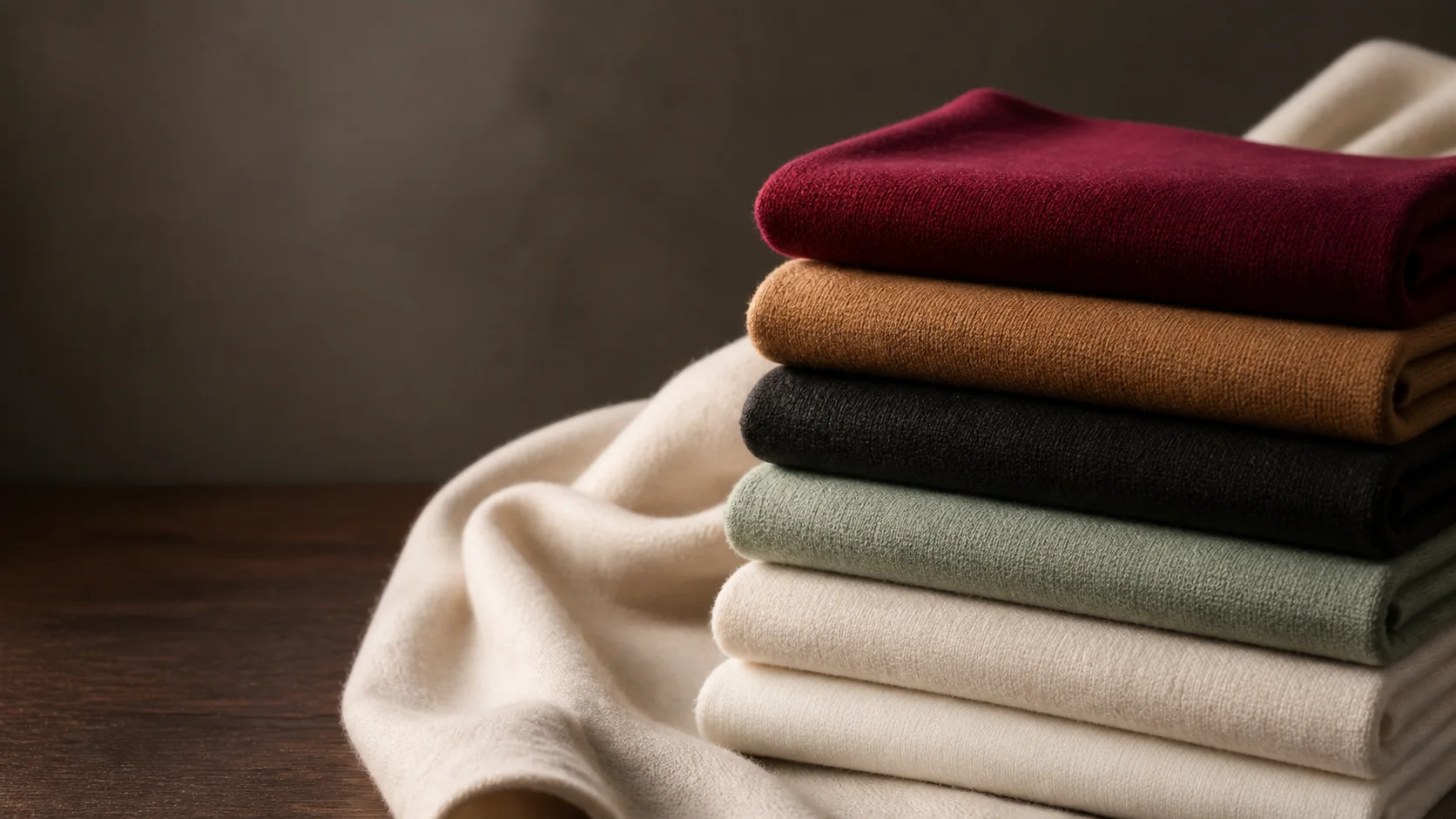
Fine Wool Color Direction
Compare camel, charcoal, burgundy, ivory, and muted seasonal shades while approving weight, surface, handfeel, and finish.
Develop wool and silk-wool programs around verified fiber content, yarn and structure, weight, surface, warmth, pilling, dimensional stability, colorfastness, care, and seasonal end use.
Wool fabrics range from fine lightweight woven qualities to brushed, knitted, felted, and blended constructions. The final result depends on fiber identity, yarn, weave or knit structure, weight, finishing, and care—not the word wool alone.
The refreshed image library now presents fine wool color directions, folded swatches, a silk-wool blend reference, and a close surface view. These visuals provide a stronger starting point for scarves, garments, accessories, and seasonal home-textile concepts.
Sampling should review pilling, abrasion, dimensional stability, seam behavior, pressing, colorfastness, odor, and the intended dry-clean or wash route. Any recycled, responsible, or animal-welfare claim needs order-linked evidence.
Compare exact content, construction, weight, finish, pilling, dimensional behavior, color, and finished-product performance.
Compare camel, charcoal, burgundy, ivory, and muted seasonal shades while approving weight, surface, handfeel, and finish.
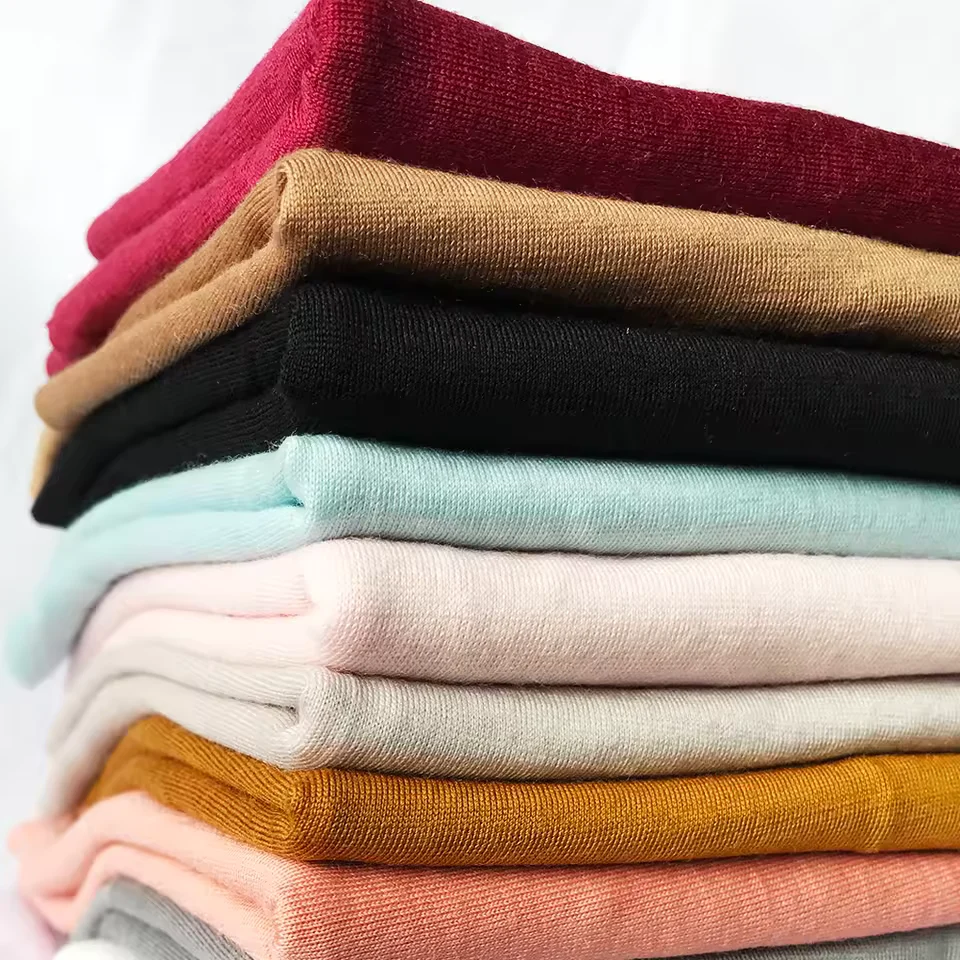
Build coordinated color groups for scarves, apparel, accessories, soft furnishings, or buyer-owned product concepts.
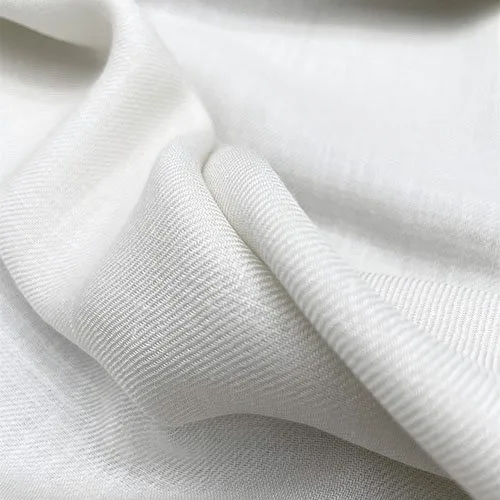
Specify the exact ratio and construction, then balance warmth and body with silk luster, drape, softness, and target care.
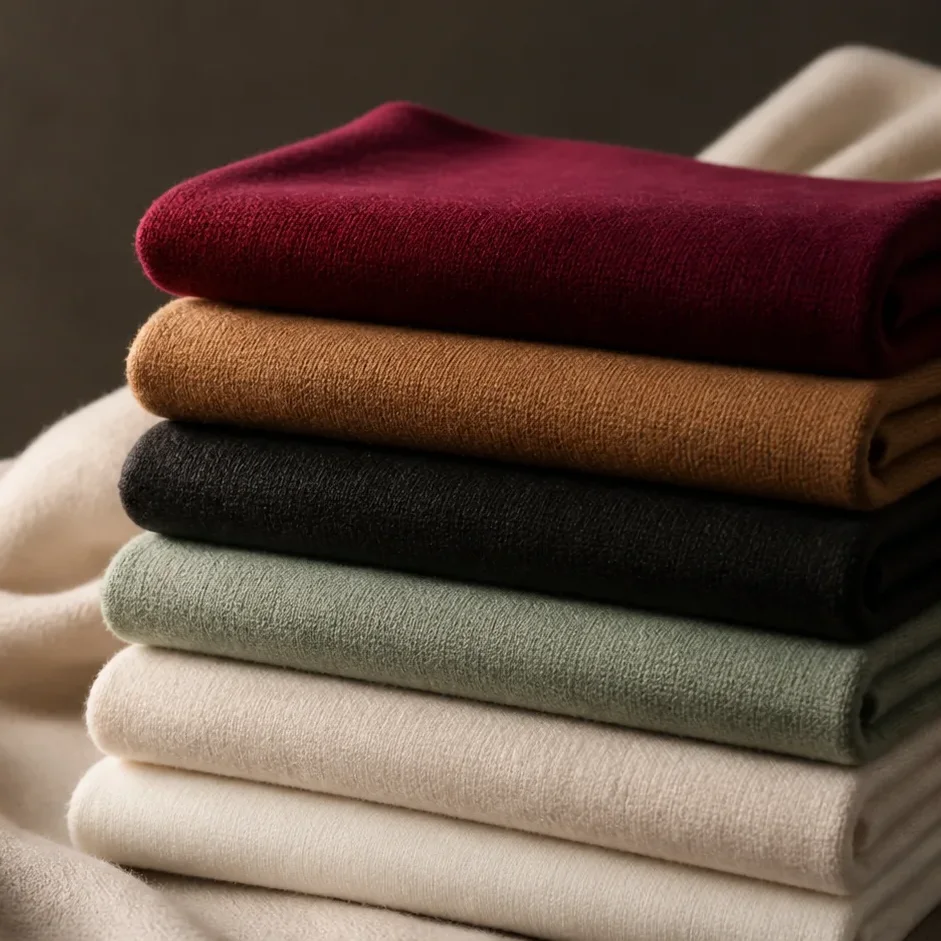
Inspect yarn definition, nap, hairiness, pilling direction, shade, finishing marks, and lot-to-lot handfeel under controlled light.
Composition
State the exact wool type where documented and list every blend fiber and percentage; avoid unsupported fiber-grade claims.
Construction and finish
Confirm weight, construction, usable width, pilling, abrasion, dimensional stability, colorfastness, seam behavior, and care.
Color or print approval
Provide a physical color reference or artwork, approve a lab dip or strike-off, and review the result after final finishing and intended care.
Bulk release
Keep the approved swatch and product sample, lot and shade references, inspection standard, test plan, care label, packing method, and repeat-order tolerance.
Confirm the finished product, target market, quantity, price direction, care route, color or artwork, and required claims before choosing the construction.
Compare coded physical swatches with complete composition, construction, weight, usable width, finish, supplier reference, and test requirements.
Cut, sew, finish, and care-test the intended product so drape, opacity, seams, shrinkage, surface, and packing can be approved together.
Connect the approved swatch and sample to roll identity, shade grouping, process notes, inspection, test evidence, labels, and retained references.
Connect fiber declarations, swatches, lot identity, weight, width, shade, pilling, care, and retained product trials.
State the exact wool type where documented and list every blend fiber and percentage; avoid unsupported fiber-grade claims.
Confirm weight, construction, usable width, pilling, abrasion, dimensional stability, colorfastness, seam behavior, and care.
Fine wool, merino, recycled, responsible, and animal-welfare claims require evidence connected to the selected order.
Develop scarves, garments, accessories, tailored pieces, seasonal home textiles, and premium blended collections.
Develop lightweight woven or blended directions around warmth, drape, edge finishing, color, and skin-contact comfort.
Review weight, recovery, opacity, pressing, seam behavior, pilling, dimensional stability, and care in a cut-and-sew sample.
Create coordinated solid and blended swatches with documented composition, finish, shade, packing, and repeat-lot standards.
Yes. Start with the exact end product, target market, quantity, composition direction, construction, color or artwork, performance needs, care route, branding, and packaging.
No. Fine wool, merino, recycled, responsible, and animal-welfare claims require evidence connected to the selected order. Final labeling should follow verified composition documents and target-market requirements.
Approve the coded fabric swatch, color or print standard, cut-and-sew sample, care result, specifications, labels, packaging, inspection criteria, and any claim evidence required for the order.
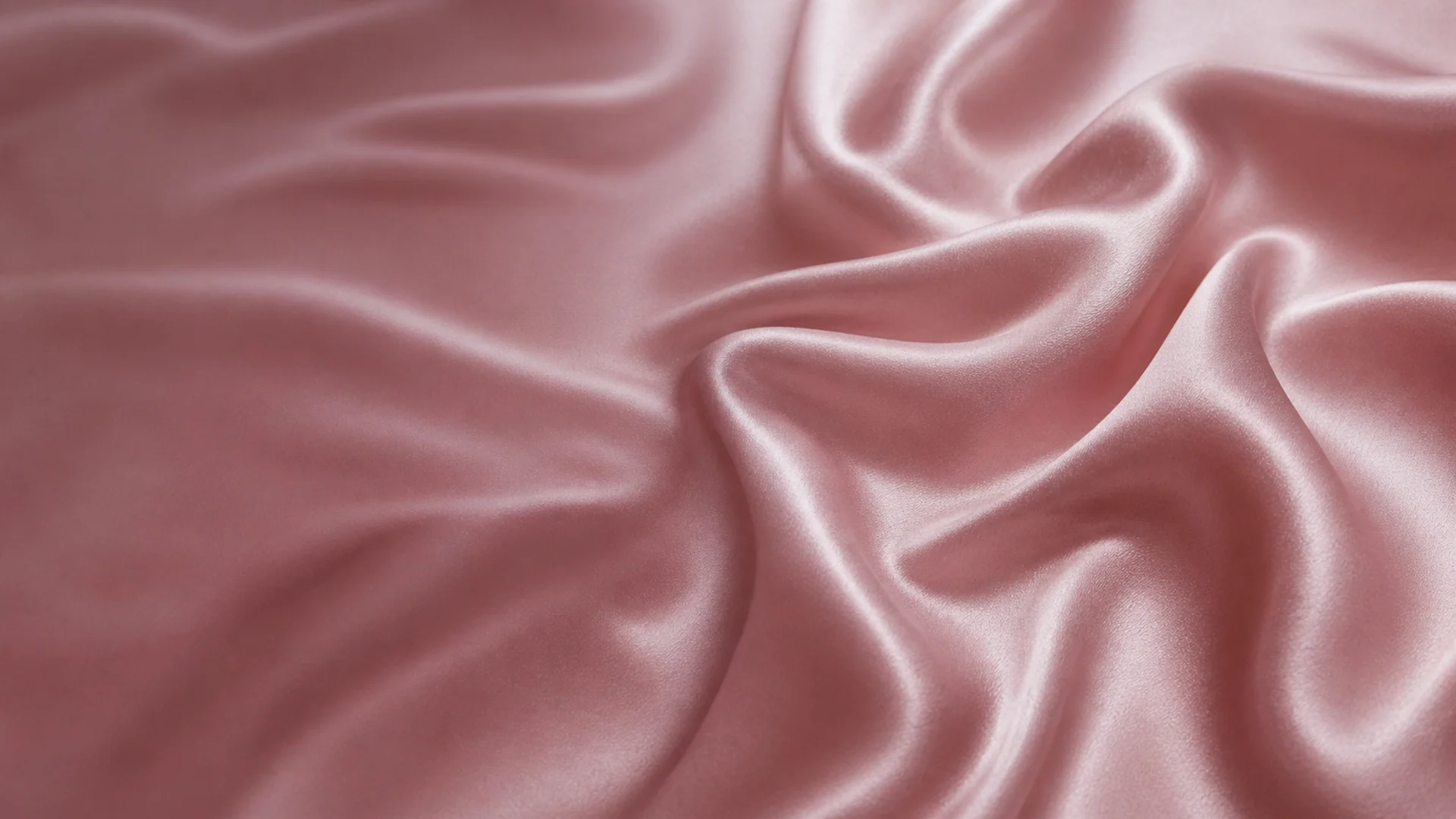
Pure silk constructions selected by weave, momme, width, drape, opacity, printing behavior, sewing performance, and end use.
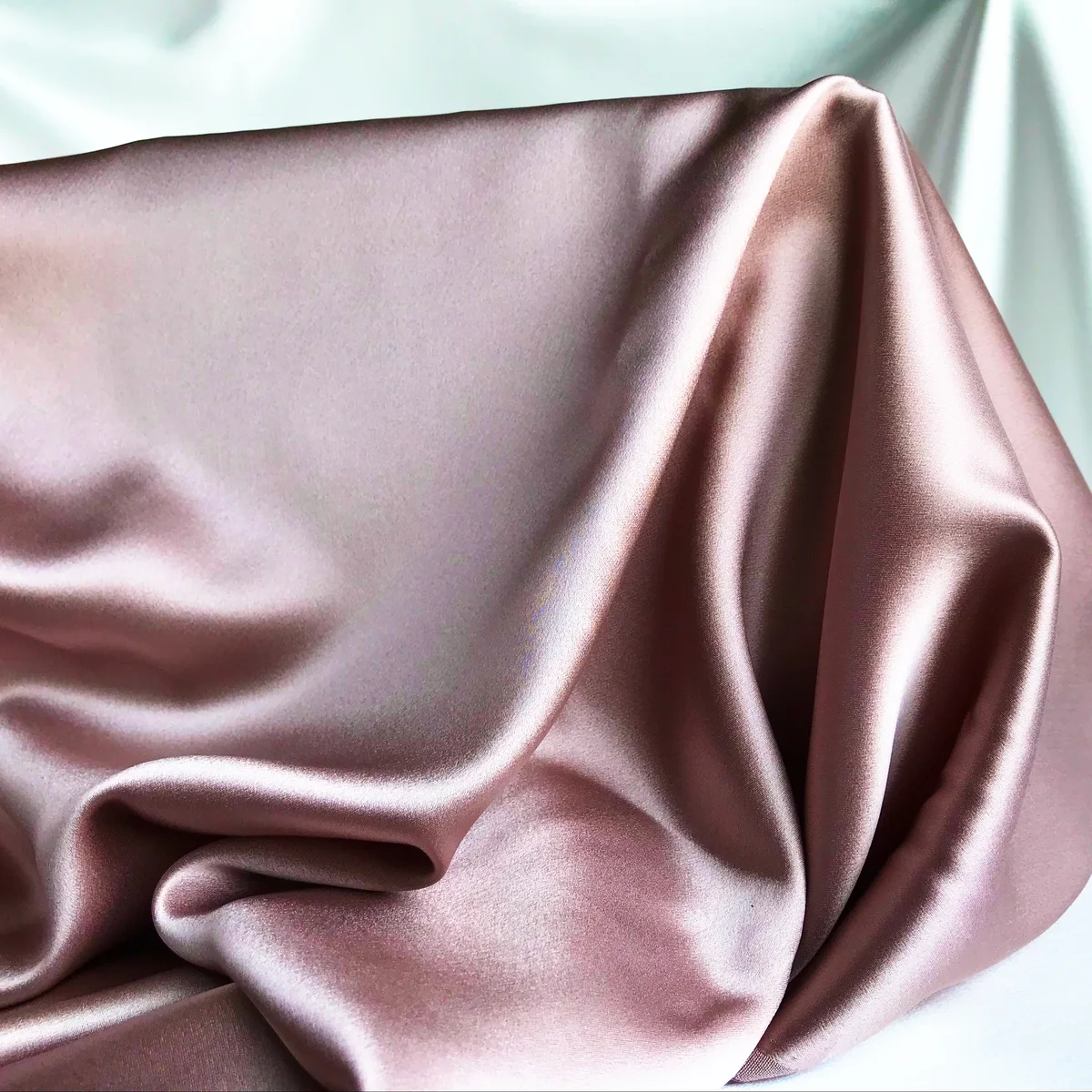
Core silk fabric supply for swatch review, sampling, and bulk material planning.
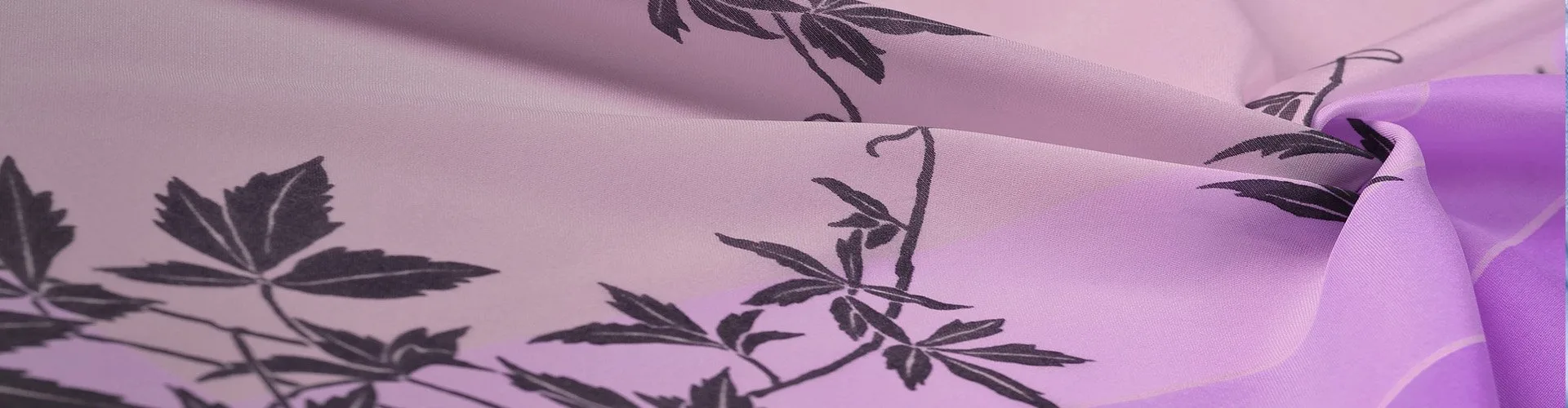
Bamboo-derived and silk–bamboo materials specified by exact composition, weave, GSM, shrinkage, pilling, care, and claim evidence.
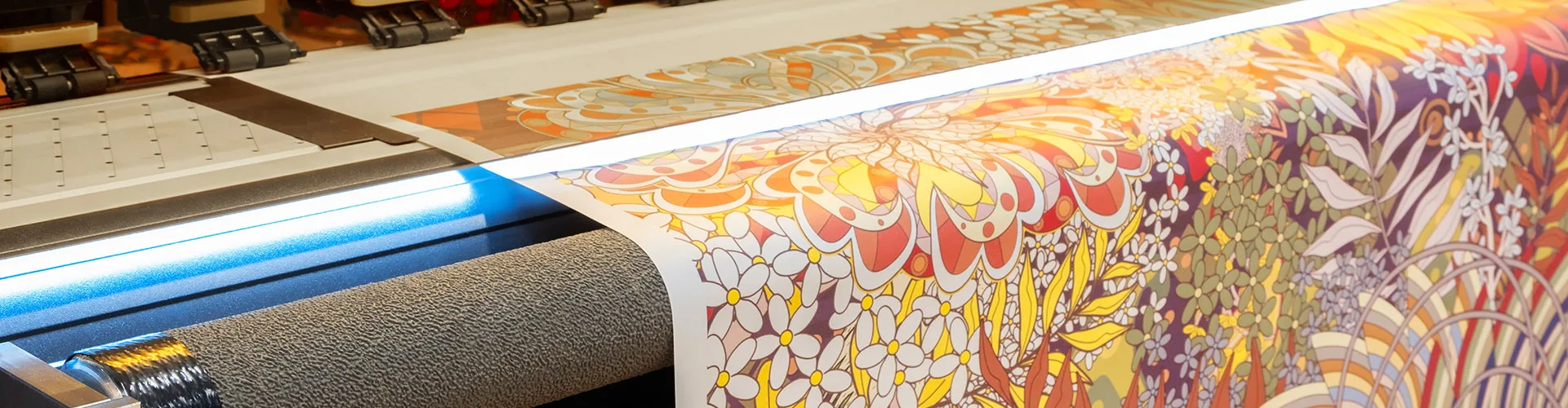
Printing and finishing programs developed around fiber chemistry, artwork, color approval, handfeel, fastness, care, and supported claims.
Start a development brief
Provide composition, yarn or weave, weight, width, color, finish, product, care route, tests, quantity, and target price.